Transform Your Bedroom: Advanced Tips for an Optimal Sleep Environment & Deep Recovery
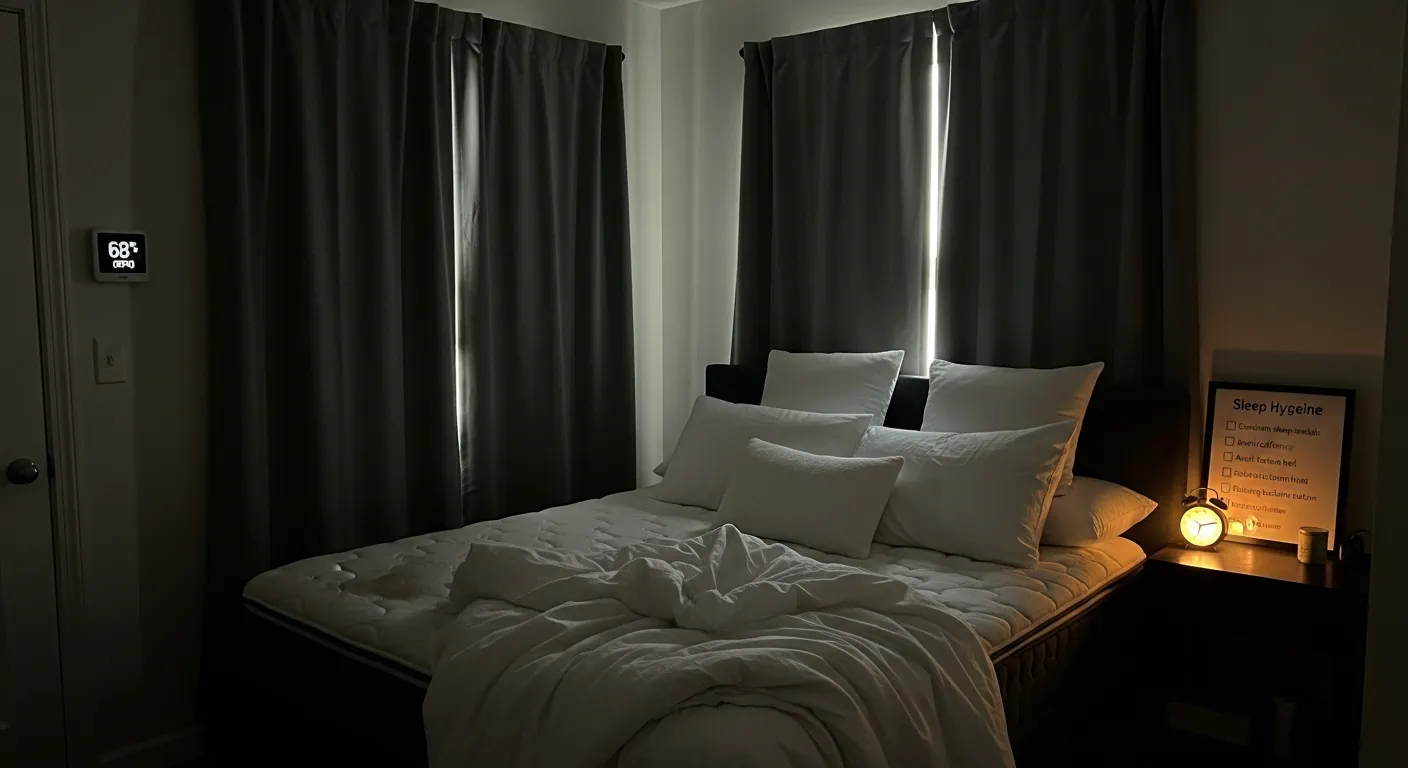
Transform Your Bedroom: Advanced Tips for an Optimal Sleep Environment & Deep Recovery
Are you truly optimizing your bedroom for the deep, restorative sleep your body craves? Many people underestimate the profound impact their sleep environment has on overall health, mood, and cognitive function. Moving beyond basic sleep hygiene, this article delves into advanced tips to help you transform your bedroom into a sanctuary for optimal sleep environment and deep recovery. By meticulously curating your surroundings, you can significantly enhance sleep quality, promote faster physical regeneration, and achieve mental clarity. Prepare to discover how subtle yet powerful changes can revolutionize your nights and invigorate your days.
Key Points for an Optimal Sleep Environment:
- Precision Light Management: Utilize smart lighting for circadian synchronization.
- Advanced Thermal Control: Optimize temperature with smart thermostats and bedding.
- Sensory Sound Design: Block disturbances and introduce beneficial ambient sound.
- Air Quality & Aromatherapy: Purify your air and leverage scents for relaxation.
- Ergonomic Sleep System: Invest in tailored mattress and pillow support.
Mastering Your Bedroom's Climate: The Core of Optimal Sleep
Temperature and humidity are often overlooked yet critical factors in creating an optimal sleep environment. Our bodies naturally cool down to initiate sleep, and maintaining a slightly cool temperature throughout the night is crucial for staying asleep and reaching deeper stages.
Advanced Thermal Regulation for Deep Recovery
Beyond simply adjusting your thermostat, consider intelligent solutions to maintain the ideal sleep temperature, typically between 60-67°F (15-19°C).
- Smart Thermostats: Modern smart thermostats learn your preferences and can be programmed to lower temperatures precisely before bedtime and raise them subtly before waking, supporting your natural circadian rhythm. Some integrate with sleep trackers for adaptive adjustments.
- Cooling Mattresses and Toppers: Innovative mattress technologies now incorporate cooling gels, phase-change materials, or even active air circulation systems to dissipate body heat. A high-quality cooling mattress topper can also make a significant difference in preventing overheating.
- Performance Bedding: Invest in bedding made from breathable, moisture-wicking materials like Tencel, bamboo, or specialized performance fabrics. These materials help regulate body temperature by drawing moisture away from the skin, keeping you dry and comfortable throughout the night.
- Targeted Cooling Accessories: For those who tend to run hot, consider a cooling pad placed underneath your sheets or a personal climate control device that specifically cools your side of the bed. These tools offer highly individualized thermal comfort.
The Power of Darkness: Advanced Light Management for Restorative Sleep
Light is the most powerful synchronizer of our circadian rhythm, and even subtle light exposure at night can disrupt melatonin production. Transform your bedroom by eliminating all sources of unwanted light.
Crafting a Light-Controlled Sleep Sanctuary
- Total Blackout Solutions: Beyond standard blackout curtains, consider installing blackout blinds that fit snugly within the window frame or even exterior roller shutters for complete darkness. Light leaks from the top or sides of curtains can be surprisingly disruptive.
- Smart Lighting for Circadian Alignment: Replace harsh overhead lights with smart bulbs that allow you to adjust both brightness and color temperature. In the evening, transition to warmer, dimmer lights (lower Kelvin) to signal to your brain that it's time to wind down. Program them to gradually brighten in the morning, mimicking a natural sunrise.
- Eliminate Blue Light Emitters: Scrutinize your bedroom for any device with an LED light, however small. Charging indicators, digital alarm clocks, or standby lights on electronics emit blue light, which can suppress melatonin. Cover these with tape or use red light filters.
- Red Light Therapy (Optional): Some research, including a 2024 study by the Journal of Sleep Research, suggests that exposure to dim red light before bed may not interfere with melatonin production and could even promote relaxation. Experiment with a small, dim red night light if you need minimal illumination.
Cultivating Silence and Serenity: Sound Optimization
Unwanted noise, whether sudden or chronic, significantly impacts sleep quality by causing micro-arousals you might not even remember. To achieve deep recovery, your bedroom must be a haven of quiet.
Strategies for a Tranquil Soundscape
- Advanced Soundproofing: For persistent outdoor noise, consider professional soundproofing solutions like double-pane windows, heavy insulation, or even acoustic panels. Simple DIY fixes like weatherstripping around doors can also help.
- White, Pink, or Brown Noise Generators: Instead of just masking noise, these specialized sound machines create a consistent, soothing ambient sound that can help you fall asleep faster and stay asleep longer. A 2023 review in Sleep Medicine Reviews highlighted their efficacy in improving sleep onset and quality.
- Binaural Beats (Differentiated Content): Explore apps or devices that deliver binaural beats, specific sound frequencies designed to encourage brainwave states associated with relaxation and deep sleep (e.g., delta waves). When listened to through headphones, these can be a powerful tool for some individuals to enhance their sleep architecture.
- Mindful Silence: Sometimes, the best sound strategy is simply creating true silence. Establish a "no electronics" rule in your bedroom to minimize hums, notifications, and other digital distractions.
The Invisible Influence: Air Quality and Scent
The air you breathe and the scents you inhale have a direct line to your brain and respiratory system, profoundly affecting your sleep.
Optimizing Your Bedroom's Atmosphere
- High-Efficiency Air Purifiers: Especially important for allergy sufferers or those in urban environments, a HEPA air purifier removes dust, pollen, pet dander, and other irritants that can disrupt breathing and cause nighttime awakenings. Look for models with a low noise output for bedroom use.
- Humidity Control: Optimal humidity for sleep is typically between 40-60%. A humidifier can prevent dry airways in winter, while a dehumidifier can combat mold and dust mites in humid climates.
- Strategic Aromatherapy: Certain essential oils have well-documented calming properties. Diffuse a few drops of lavender, chamomile, cedarwood, or bergamot essential oil about an hour before bed. Ensure you use high-quality, pure essential oils and avoid synthetic fragrances, which can be irritants.
- Detoxifying Plants (Differentiated Content): Incorporate certain houseplants known for their air-purifying qualities, such as snake plants or peace lilies. These plants not only filter toxins but also add a touch of nature, fostering a serene aesthetic that supports mental tranquility.
The Foundation of Support: Ergonomic Sleep Systems
Your mattress and pillow are arguably the most personal and fundamental elements of your optimal sleep environment. They dictate spinal alignment, pressure relief, and overall physical comfort.
- Personalized Mattress Selection: Don't settle for a generic mattress. Consider your sleep position (side, back, stomach), body weight, and any specific pain points. Memory foam, latex, innerspring, and hybrid options each offer distinct support and feel. Many brands offer extensive trial periods, allowing you to truly test a mattress in your home.
- Adaptive Pillows: Just like mattresses, pillows are not one-size-fits-all. Your pillow should maintain neutral spinal alignment between your head, neck, and shoulders. Side sleepers often need a thicker pillow, back sleepers a medium loft, and stomach sleepers a very thin or no pillow. Adjustable pillows, which allow you to add or remove fill, offer unparalleled customization.
- Adjustable Bed Bases: For the ultimate in ergonomic comfort, an adjustable bed base allows you to elevate your head and/or feet. This can alleviate pressure points, reduce snoring, and even improve circulation, contributing to significantly deep recovery.
Internal Linking Suggestions
- Anchor Text: "understanding your body's natural sleep-wake cycle"
Link Target:
/categories/sleep-schedule-optimization - Anchor Text: "mastering your circadian rhythm for better sleep"
- Anchor Text: "tips on creating an evening wind-down routine"
FAQ: Your Optimal Sleep Environment Questions Answered
Q: How often should I update my mattress for optimal sleep?
A: The general recommendation is to replace your mattress every 7-10 years, though this can vary based on mattress quality, materials, and individual usage. If you notice sagging, persistent discomfort, or wake up with aches and pains, it's likely time for an upgrade. Investing in a quality mattress is a direct investment in your long-term health and a key component of an optimal sleep environment.
Q: Can smart home devices truly improve my sleep quality?
A: Absolutely. Smart home devices, when used intentionally, can significantly enhance your sleep environment. Smart thermostats ensure ideal temperatures, smart lighting systems gently guide your circadian rhythm, and air purifiers maintain clean air. They allow for automation and precision control, moving beyond manual adjustments to create a consistently optimized sleep sanctuary.
Q: What's the single most impactful change I can make to transform my bedroom for better sleep?
A: While many factors contribute, controlling light exposure is often the most impactful single change. Ensuring your bedroom is completely dark during sleep hours is crucial for melatonin production and maintaining your natural sleep cycle. Even a small amount of light can disrupt restorative sleep, making blackout solutions a fundamental step towards deep recovery.
Achieve Your Deepest Sleep Yet
Transform your bedroom today from a mere sleeping space into a meticulously crafted haven for optimal sleep environment and deep recovery. By implementing these advanced strategies for light, temperature, sound, air quality, and ergonomic support, you're not just improving your sleep; you're investing in your overall health, productivity, and well-being. Start with one or two changes and gradually build your perfect sleep sanctuary.
What advanced tip will you implement first to enhance your sleep environment? Share your thoughts and experiences in the comments below! Don't forget to subscribe for more insights on maximizing your sleep potential and achieving peak performance.
Further Reading Suggestions:
- Explore more about understanding your body's natural sleep-wake cycle and how to align with it for improved energy levels by visiting our category on Sleep Schedule and Routine.
- Dive deeper into the science of light and sleep by mastering your circadian rhythm for better sleep.
- Discover practical tips on creating an evening wind-down routine that primes your body and mind for restorative sleep.