The Science of Sleep: How to Unlock Better Rest
The Science of Sleep: How to Unlock Better Rest
Sleep is a fundamental pillar of human health, as crucial as nutrition and exercise. Yet, for many, achieving consistent, restorative sleep remains an elusive goal. Understanding the intricate science of sleep is the first step toward unlocking its transformative power. This article delves into the biological mechanisms that govern our sleep cycles and provides actionable strategies, grounded in scientific research, to help you achieve deeper, more rejuvenating rest. By exploring the science of sleep, we can move beyond guesswork and adopt evidence-based practices to significantly improve our nightly slumber and, consequently, our waking lives.
Key Points:
- Sleep Cycles: Understanding the different stages of sleep (NREM and REM) is vital for optimizing rest.
- Circadian Rhythms: Your body's internal clock significantly influences sleep-wake patterns.
- Sleep Hygiene: Practical habits can dramatically enhance sleep quality.
- Nutritional Impact: What you eat and drink directly affects your ability to sleep.
- Environmental Factors: Creating the right sleep sanctuary is essential.
Understanding Your Sleep Architecture: The NREM and REM Cycles
Our nights are not spent in a uniform state of unconsciousness. Instead, sleep unfolds in a cyclical pattern, alternating between two primary types: Non-Rapid Eye Movement (NREM) sleep and Rapid Eye Movement (REM) sleep. Each cycle, lasting roughly 90-120 minutes, repeats several times throughout the night. Understanding these stages is crucial for appreciating the science of sleep and how to optimize it.
NREM Sleep: The Foundation of Rest
NREM sleep is further divided into three stages, each with distinct physiological characteristics:
- NREM Stage 1 (N1): This is the lightest stage of sleep, often described as the transition between wakefulness and sleep. It typically lasts only a few minutes. During N1, your brain waves begin to slow down, and your muscles may twitch.
- NREM Stage 2 (N2): This is considered true sleep. Your heart rate and body temperature decrease, and your brain waves continue to slow, punctuated by brief bursts of rapid activity known as sleep spindles. You spend the largest proportion of your sleep in N2.
- NREM Stage 3 (N3): Also known as slow-wave sleep or deep sleep, this is the most restorative stage. Your brain waves are at their slowest, and it's here that the body performs crucial physical repair, growth hormone is released, and the immune system is strengthened. Waking someone from N3 can lead to grogginess and disorientation.
REM Sleep: The Dream and Cognitive Stage
REM sleep is characterized by rapid eye movements, increased brain activity (similar to wakefulness), and muscle paralysis. This stage is vital for cognitive functions, including memory consolidation, learning, and emotional processing. Vivid dreaming typically occurs during REM sleep.
- Cognitive Benefits: REM sleep plays a significant role in learning, problem-solving, and creativity. It helps the brain process and store information learned during the day.
- Emotional Regulation: This stage is essential for regulating emotions and coping with stress. Deprivation of REM sleep can lead to increased irritability and difficulty managing emotions.
- Memory Consolidation: REM sleep is particularly important for consolidating procedural memories (skills and habits) and emotional memories.
The interplay between NREM and REM sleep is dynamic. As the night progresses, the duration of N3 sleep decreases, while REM sleep periods become longer. Disruptions to this natural architecture, whether through lifestyle choices or external factors, can significantly impair sleep quality and overall health.
The Crucial Role of Circadian Rhythms in Sleep Regulation
Your body operates on an internal biological clock, known as the circadian rhythm, which dictates a 24-hour cycle of sleepiness and wakefulness. This master clock, located in the brain's suprachiasmatic nucleus (SCN), is influenced by external cues, primarily light. Mastering the science of sleep involves aligning your lifestyle with your natural circadian rhythm.
Light: The Primary Zeitgeber
Light exposure is the most powerful cue for synchronizing your circadian clock.
- Morning Light: Exposure to bright light soon after waking helps signal to your brain that it's time to be alert, reinforcing the wake-sleep cycle.
- Evening Light: Conversely, minimizing exposure to bright light, especially blue light emitted from electronic devices, in the hours before bed signals to your brain that it's time to wind down and prepare for sleep.
Melatonin: The Sleep Hormone
Melatonin is a hormone produced by the pineal gland that regulates sleep. Its production increases in darkness and decreases in light, making it a key player in signaling sleepiness.
- Natural Production: Your body naturally produces melatonin when it's dark, promoting relaxation and sleep.
- Impact of Artificial Light: Exposure to artificial light at night, particularly blue light, can suppress melatonin production, making it harder to fall asleep.
Understanding and respecting your circadian rhythms is fundamental to unlocking better rest. This involves not just when you sleep but also synchronizing your daily activities with your body's internal timing. For instance, consistent meal times and exercise routines, in addition to light exposure, can help anchor your circadian clock. For those struggling with sleep, one of the key strategies involves understanding their personal chronotype (e.g., early bird or night owl) and adjusting their schedule accordingly.
Optimizing Your Sleep Hygiene: Practical Strategies for Better Rest
While understanding the science of sleep is illuminating, practical application through good sleep hygiene is where you truly unlock better rest. Sleep hygiene refers to a set of habits and environmental factors that promote healthy sleep. Implementing these practices can have a profound impact on sleep quality.
Creating a Sleep-Inducing Environment
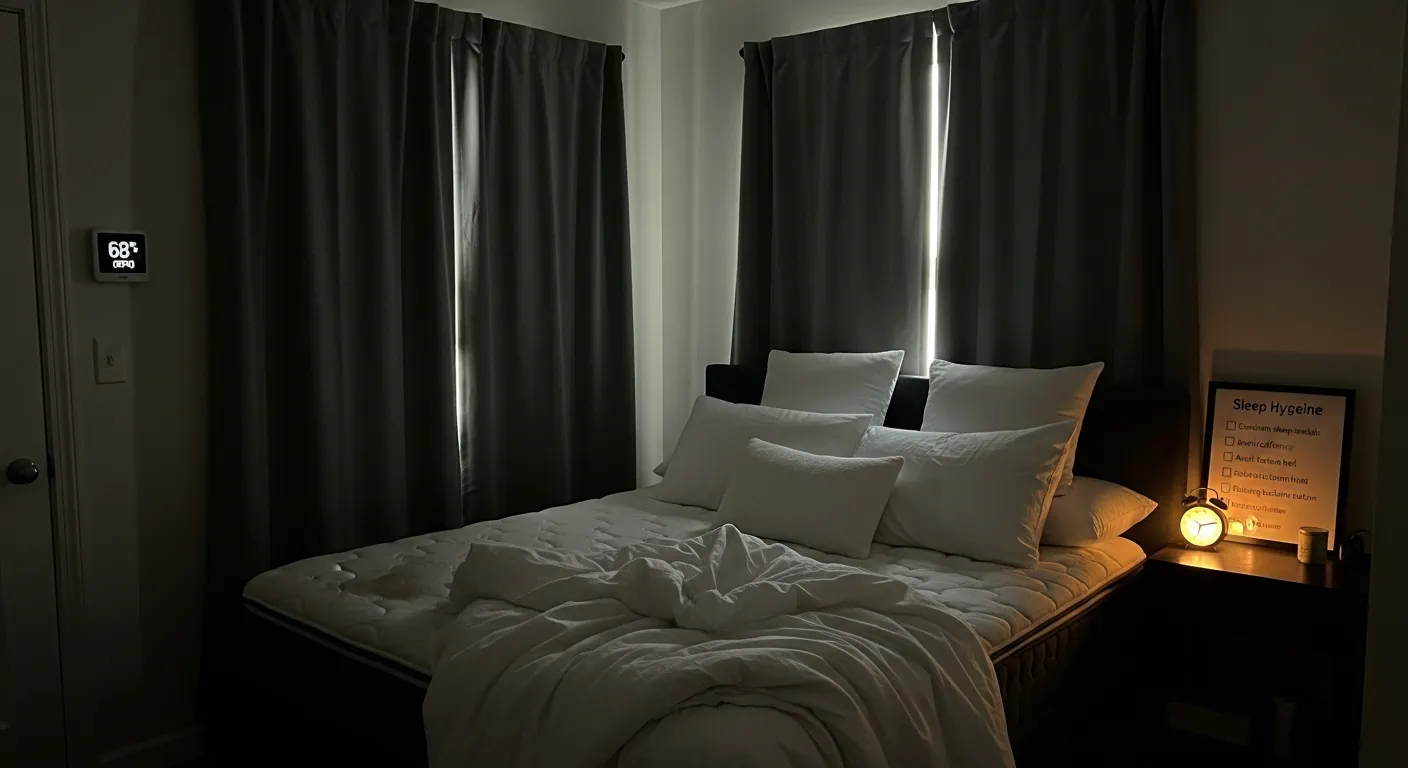
Your bedroom should be a sanctuary for sleep.
- Darkness: Ensure your bedroom is as dark as possible. Use blackout curtains or an eye mask to block out light. Even small amounts of light can disrupt melatonin production.
- Quiet: Minimize noise distractions. Consider using earplugs or a white noise machine if your environment is noisy.
- Cool Temperature: A slightly cooler room temperature (around 60-67°F or 15-19°C) is generally conducive to sleep. Your body temperature naturally drops as you fall asleep.
- Comfortable Bedding: Invest in a comfortable mattress and pillows that support your body.
Establishing a Relaxing Bedtime Routine
Winding down before bed signals to your body that it's time to prepare for sleep.
- Consistent Schedule: Go to bed and wake up around the same time every day, even on weekends. This reinforces your natural circadian rhythm.
- Limit Screen Time: Avoid electronic devices (phones, tablets, computers) for at least an hour before bed. The blue light emitted can interfere with melatonin production.
- Relaxing Activities: Engage in calming activities such as reading a physical book, taking a warm bath, listening to soothing music, or practicing gentle stretching or meditation.
- Avoid Stimulants: Refrain from caffeine and nicotine in the hours before bed, as they are stimulants that can interfere with sleep.
Dietary Considerations for Sleep
What you consume can significantly influence your sleep.
- Avoid Heavy Meals Before Bed: Eating large meals close to bedtime can lead to discomfort and indigestion, disrupting sleep.
- Limit Fluids: Reduce fluid intake in the hours before bed to minimize nighttime bathroom trips.
- Mindful Snacking: If you need a snack, opt for something light and easily digestible, like a small bowl of oatmeal or a banana. Certain foods like tart cherries and kiwis have been linked to improved sleep. (This is an area where further exploration into the nutrition-sleep connection can be very beneficial).
For more in-depth information on how specific foods can impact sleep, readers can explore related articles on nutritional strategies for better sleep.
The Role of Exercise in Sleep
Regular physical activity can improve sleep quality, but timing is key.
- Morning or Afternoon Exercise: Exercising earlier in the day is generally recommended.
- Avoid Intense Workouts Close to Bedtime: Vigorous exercise too close to bedtime can be stimulating and make it harder to fall asleep.
Differentiated Insights: Beyond Basic Sleep Hygiene
While the core principles of sleep hygiene are widely accepted, modern research reveals more nuanced approaches to optimizing rest.
Differentiated Insight 1: The Gut-Brain Axis and Sleep
Emerging research highlights the profound connection between the gut microbiome and sleep quality. A balanced gut microbiome can influence the production of neurotransmitters that regulate mood and sleep, such as serotonin.
- Probiotics and Prebiotics: Consuming probiotic-rich foods (like yogurt, kefir, sauerkraut) and prebiotic fibers (found in fruits, vegetables, and whole grains) can support a healthy gut microbiome. This can indirectly improve sleep by modulating inflammation and neurotransmitter production.
- Specific Microbial Profiles: Studies are beginning to identify specific microbial profiles associated with better sleep, suggesting a targeted approach to gut health for sleep improvement. A 2024 study published in Nature Communications noted that disruptions in gut bacteria were linked to altered sleep patterns and increased anxiety.
For those interested in this intricate link, further articles on the gut-brain axis and its impact on sleep would be highly relevant.
Differentiated Insight 2: The Impact of Evening Light Spectrum on Melatonin
While general advice is to limit screen time, the type of light matters. Blue light, prevalent in LEDs and digital screens, is particularly effective at suppressing melatonin.
- Blue Light Filters and Glasses: Using blue light filtering software on devices or wearing blue-light-blocking glasses in the evening can significantly mitigate melatonin suppression, even when using screens.
- Red/Amber Light Preference: In the hours before bed, opting for lighting with warmer, redder hues can be far less disruptive to your natural sleep-wake cycle. Research from institutions like the University of Pennsylvania (as of 2023) has emphasized this spectral sensitivity in sleep regulation.
This granular understanding of light's impact goes beyond simple "avoid screens" advice, offering more precise strategies for sleep optimization.
Addressing Common Sleep Science Questions (FAQ)
Q1: How much sleep do adults really need? Most adults require 7-9 hours of quality sleep per night. This range allows for sufficient time in all sleep stages, crucial for physical restoration, cognitive function, and emotional well-being. Individual needs can vary slightly, but consistently getting less than 7 hours can lead to negative health consequences.
Q2: What is the best time to go to bed for optimal sleep science? The ideal bedtime aligns with your natural circadian rhythm. For most people, this means going to bed between 10 PM and 11 PM to allow for sufficient sleep before waking around 6-7 AM. However, this can vary based on your chronotype (early bird or night owl). Consistency is more critical than hitting an exact time.
Q3: Can I "catch up" on lost sleep on the weekends? While sleeping more on weekends can help mitigate some of the negative effects of sleep deprivation, it's not a perfect substitute for consistent nightly sleep. Chronic sleep debt can still impact your health and cognitive function. It's far more effective to prioritize getting adequate sleep every night.
Q4: What are the long-term health risks of poor sleep? Chronic poor sleep is linked to numerous health problems, including an increased risk of cardiovascular disease, obesity, diabetes, weakened immune function, mental health disorders like depression and anxiety, and impaired cognitive performance. The science of sleep clearly demonstrates its integral role in overall health.
Conclusion: Your Personalized Path to Better Sleep
The science of sleep reveals a complex, yet elegantly orchestrated, biological process essential for our health and well-being. By understanding sleep architecture, honoring your circadian rhythms, and implementing robust sleep hygiene practices, you can significantly improve your sleep quality. Remember that small, consistent changes can yield substantial results.
Don't let inadequate sleep hold you back. Start by implementing one or two of the strategies discussed today. Pay attention to how your body responds, and adjust accordingly.
What are your biggest challenges with sleep? Share your thoughts and tips in the comments below!
For those seeking further knowledge, exploring our related articles on the nutritional impact on sleep and the benefits of mindfulness for relaxation could offer additional pathways to achieving restful nights. Consider subscribing to our newsletter for ongoing updates on the latest research in sleep science and wellness.
Expandable Subtopics for Future Updates:
- The influence of sleep on athletic performance.
- Age-specific sleep needs and challenges (e.g., children, seniors).
- The role of sleep in weight management and metabolism.