Sleep Quality Optimization: Unlock Your Best Rest Ever
Unlock Your Best Rest Ever: A Deep Dive into Sleep Quality Optimization
Achieving truly restorative sleep is more than just closing your eyes; it's about quality. In our fast-paced world, many of us struggle with restless nights and groggy mornings. This article will guide you through the essential principles and actionable strategies for sleep quality optimization, helping you unlock your best rest ever. By understanding the intricate connection between our lifestyle, environment, and the biological processes of sleep, you can significantly improve your nightly rejuvenation.
This guide offers practical advice, drawing on the latest research, to help you transform your sleep. We'll explore how to create an optimal sleep environment, refine your pre-sleep routines, and understand the role of nutrition in achieving deep, uninterrupted slumber.
Key Takeaways:
- Environmental Harmony: Craft a sleep sanctuary that promotes deep rest.
- Routine Rituals: Establish consistent pre-sleep habits to signal your body it's time to wind down.
- Nutritional Navigation: Understand how what you eat and drink impacts your sleep cycle.
- Mind-Body Connection: Manage stress and mental chatter that can disrupt sleep.
- Personalized Approach: Recognize that optimal sleep is often a unique journey.
Understanding the Pillars of Sleep Quality Optimization
Creating Your Sleep Sanctuary: The Foundation for Better Rest
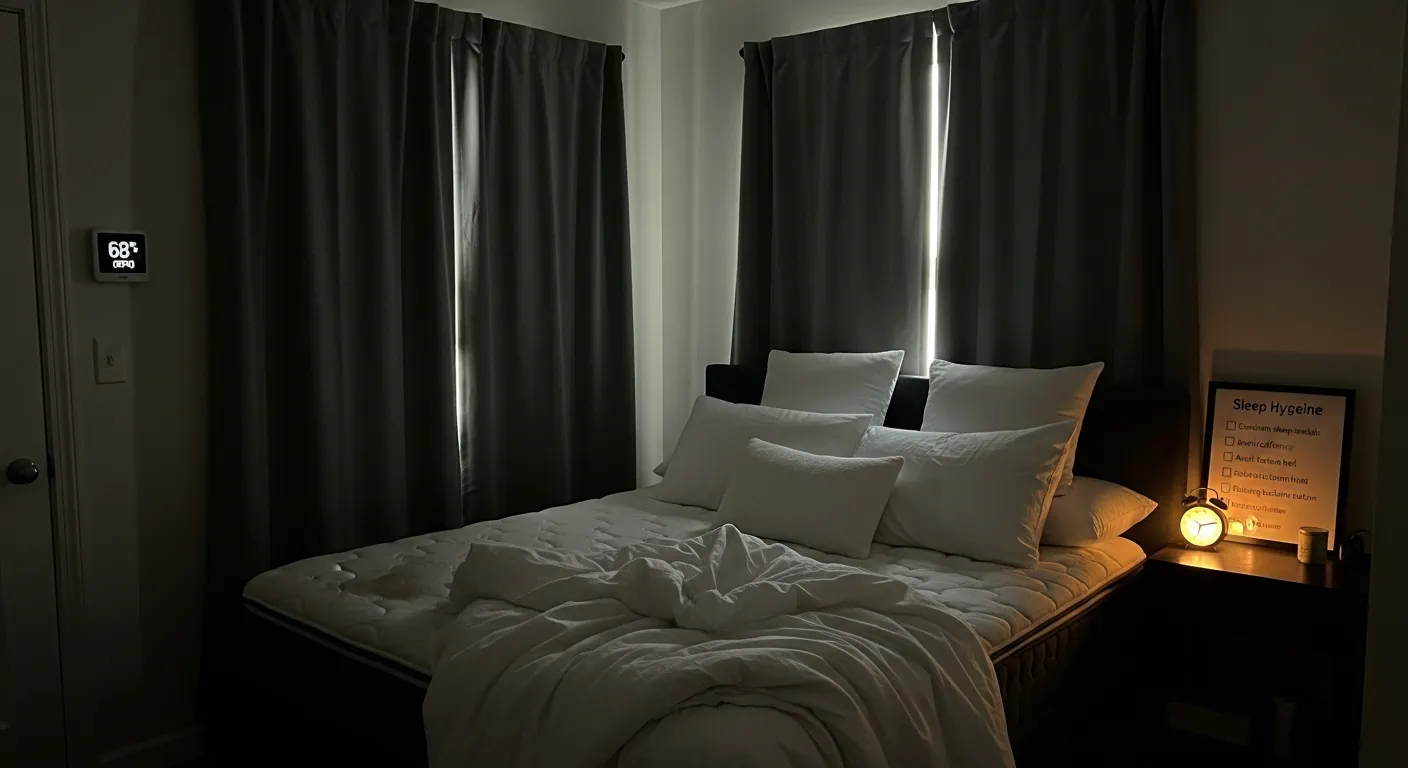
Your bedroom environment plays a critical role in sleep quality. Think of it as your personal sleep sanctuary, designed to foster relaxation and minimize disruptions. The three main elements to focus on are darkness, temperature, and noise.
Mastering Darkness for Optimal Sleep
Even small amounts of light can interfere with melatonin production, the hormone that regulates sleep-wake cycles. Aim for a room that is as dark as possible. This means investing in blackout curtains to block out external light sources like streetlights or early morning sun. Consider covering any electronic device lights with tape or repositioning them. Even a digital clock can emit enough light to be disruptive. For readers seeking to delve deeper into chronobiology, exploring the works of researchers like Dr. Satchin Panda on light's impact on circadian rhythms would be beneficial.
The Ideal Sleep Temperature: Cool and Comfortable
Your body temperature naturally drops as you prepare for sleep. A room that is too warm can hinder this process, leading to restlessness and fragmented sleep. Conversely, a room that's too cold can also be uncomfortable and wake you up. The generally recommended temperature range for optimal sleep is between 60-67 degrees Fahrenheit (15-19 degrees Celsius). Experiment within this range to find what feels most comfortable for you. Breathable bedding materials can also help regulate body temperature throughout the night.
Minimizing Noise Disturbances
Sudden or consistent noise can easily jolt you out of sleep, even if you don't fully wake up. Identifying and mitigating common noise sources is key to sleep quality optimization. This could involve using earplugs, especially if you live in a noisy urban environment or have a partner who snores. White noise machines or fans can create a consistent, soothing soundscape that masks disruptive noises. Some individuals find nature sounds or ambient music beneficial, but it’s important to choose something that doesn't become a distraction itself.
Establishing Effective Pre-Sleep Routines: Signaling Your Body
The transition from wakefulness to sleep is a delicate process. A consistent bedtime routine acts as a powerful signal to your brain and body that it's time to wind down and prepare for rest. This routine doesn't need to be complicated; it just needs to be consistent and calming.
The Power of a Wind-Down Period
Dedicate at least 30-60 minutes before bed to relaxing activities. This is a crucial step for sleep quality optimization. Avoid stimulating activities such as intense work, arguments, or engaging in stressful news. Instead, opt for gentle activities that promote relaxation.
- Reading a physical book: The dim light and calm narrative can be very effective.
- Taking a warm bath or shower: The drop in body temperature afterward can induce sleepiness.
- Gentle stretching or yoga: Releases physical tension without being overly strenuous.
- Meditation or deep breathing exercises: Calms the mind and reduces anxiety.
- Listening to calming music or a podcast: Choose content that is soothing, not stimulating.
Limiting Screen Time Before Bed
The blue light emitted from electronic devices like smartphones, tablets, and computers is a known disruptor of melatonin production. This artificial light can trick your brain into thinking it's still daytime, making it harder to fall asleep. Ideally, cease screen use at least an hour before bed. If you must use screens, consider using blue light filters or night mode settings. Many sleep experts, including those at the National Sleep Foundation, emphasize the detrimental effects of screen time on sleep hygiene.
Nutritional Navigation for Better Sleep
What you consume throughout the day, especially in the hours leading up to bedtime, can significantly impact your ability to fall asleep and stay asleep. Nutrition is a vital, yet often overlooked, component of sleep quality optimization.
The Role of Melatonin-Promoting Foods
Certain foods contain or help the body produce melatonin. Incorporating these into your diet, particularly in the evening, might aid sleep. Examples include:
- Tart cherries: A natural source of melatonin.
- Nuts (especially almonds and walnuts): Contain melatonin and magnesium, a mineral that can promote relaxation.
- Oats and rice: Can be good sources of complex carbohydrates that may aid sleep.
Caffeine and Alcohol: The Sleep Saboteurs
Caffeine is a stimulant that can remain in your system for several hours, interfering with your ability to fall asleep. It’s generally recommended to avoid caffeine for at least 6-8 hours before bedtime. Similarly, while alcohol may initially make you feel drowsy, it disrupts sleep architecture later in the night, leading to more awakenings and poorer sleep quality. For comprehensive insights into diet and sleep, consulting resources from the Academy of Nutrition and Dietetics is advised.
Hydration Habits and Late-Night Meals
While staying hydrated is important, drinking excessive amounts of fluids close to bedtime can lead to frequent nighttime awakenings for bathroom trips. Pace your fluid intake throughout the day. Large, heavy meals close to bedtime can also disrupt sleep as your digestive system works hard to process them. Aim to finish your last substantial meal at least 2-3 hours before you plan to sleep.
Addressing the Mind-Body Connection for Deeper Sleep
Your mental state is intrinsically linked to your sleep. Stress, anxiety, and racing thoughts are common culprits that prevent restful sleep. Integrating strategies to manage your mental well-being is a crucial part of sleep quality optimization.
Managing Stress and Anxiety
Chronic stress can keep your body in a state of heightened alert, making it difficult to relax and fall asleep. Finding effective stress management techniques is paramount.
- Mindfulness and Meditation: Regular practice can train your brain to be less reactive to stressors.
- Journaling: Writing down your worries before bed can help clear your mind.
- Deep Breathing Exercises: Simple techniques like diaphragmatic breathing can activate the body's relaxation response.
- Cognitive Behavioral Therapy for Insomnia (CBT-I): This evidence-based therapy is highly effective for chronic sleep issues. For individuals struggling with persistent sleep problems, exploring resources on CBT-I is highly recommended.
Overcoming Racing Thoughts at Night
It's common to have your mind race when you're trying to sleep. This often happens when we have too much unstructured time to ruminate.
- Worry Time: Dedicate a specific time earlier in the day to think about your worries and potential solutions. This can help prevent them from surfacing at bedtime.
- Guided Imagery: Listening to guided meditations or visualizations can help redirect your focus away from intrusive thoughts.
- Progressive Muscle Relaxation: This technique involves tensing and then releasing different muscle groups, which can help release physical tension and calm the mind.
Differentiated Insights for Enhanced Sleep Quality Optimization
While the foundational elements of sleep hygiene are well-established, incorporating newer insights and personalized approaches can further enhance your sleep quality optimization journey.
The Impact of Light Exposure Timing: Beyond Darkness
Recent research highlights the importance of when you expose yourself to light, not just darkness. Strategic light exposure during the day can reinforce your circadian rhythm and improve nighttime sleep. This means maximizing exposure to bright, natural light, especially in the morning, to signal to your body that it's time to be alert. Conversely, dimming lights in the evening helps your body prepare for sleep. This principle is a crucial update to traditional advice focused solely on bedroom darkness.
The Gut-Brain Axis and Sleep: A Nutritional Frontier
Emerging science underscores the profound connection between the gut microbiome and sleep. An imbalanced gut can influence neurotransmitter production and inflammatory pathways, both of which affect sleep.
- Probiotic-Rich Foods: Consuming fermented foods like yogurt, kefir, kimchi, and sauerkraut can support a healthy gut microbiome.
- Prebiotic Fiber: Including foods rich in fiber (fruits, vegetables, whole grains) feeds beneficial gut bacteria.
- The importance of a balanced diet: Overall dietary patterns, not just individual nutrients, are key to supporting gut health and, consequently, sleep. According to a review published in Nutrients (2024), there is growing evidence linking gut dysbiosis to sleep disturbances.
Frequently Asked Questions About Sleep Quality Optimization
Q1: How long does it typically take to see improvements in sleep quality after implementing new strategies? A1: Significant improvements can often be noticed within a few weeks to a couple of months. Consistency is key, as your body adjusts to new routines and environmental cues.
Q2: Can napping affect my ability to optimize sleep quality at night? A2: Short power naps (20-30 minutes) taken earlier in the day can be beneficial for some. However, long or late-afternoon naps can disrupt your nighttime sleep drive, making it harder to fall asleep.
Q3: What role does exercise play in sleep quality optimization? A3: Regular physical activity can significantly improve sleep quality. However, intense workouts too close to bedtime can be stimulating for some individuals, so moderate exercise earlier in the day is often recommended.
Q4: Are there any specific supplements that aid in sleep quality optimization? A4: While some supplements like magnesium or L-theanine might help certain individuals, it's always best to consult with a healthcare professional before starting any new supplement regimen. They can assess potential interactions and your specific needs.
Your Journey to Better Sleep Starts Now
Optimizing your sleep quality is an investment in your overall health and well-being. By implementing these strategies—creating a conducive sleep environment, establishing calming routines, making mindful dietary choices, and managing your mental state—you can unlock deeper, more restorative sleep.
Remember, sleep quality optimization is a personalized journey. What works best for one person may differ for another. Be patient with yourself, track your progress, and don't hesitate to seek professional guidance if you're facing persistent sleep challenges.
Ready to transform your nights?
- Start Today: Choose one small change to implement this week.
- Share Your Experience: What strategies have worked best for you? Share in the comments below!
- Subscribe: Stay updated on the latest health and wellness tips by subscribing to our newsletter.
For further exploration into how nutrition directly influences your sleep cycles, readers can explore related articles on the intricate nutrition-sleep connection. Understanding this link is fundamental to unlocking your best rest ever.