Quiet Your Mind: Simple Mindfulness Exercises for Falling Asleep Faster and Deeper
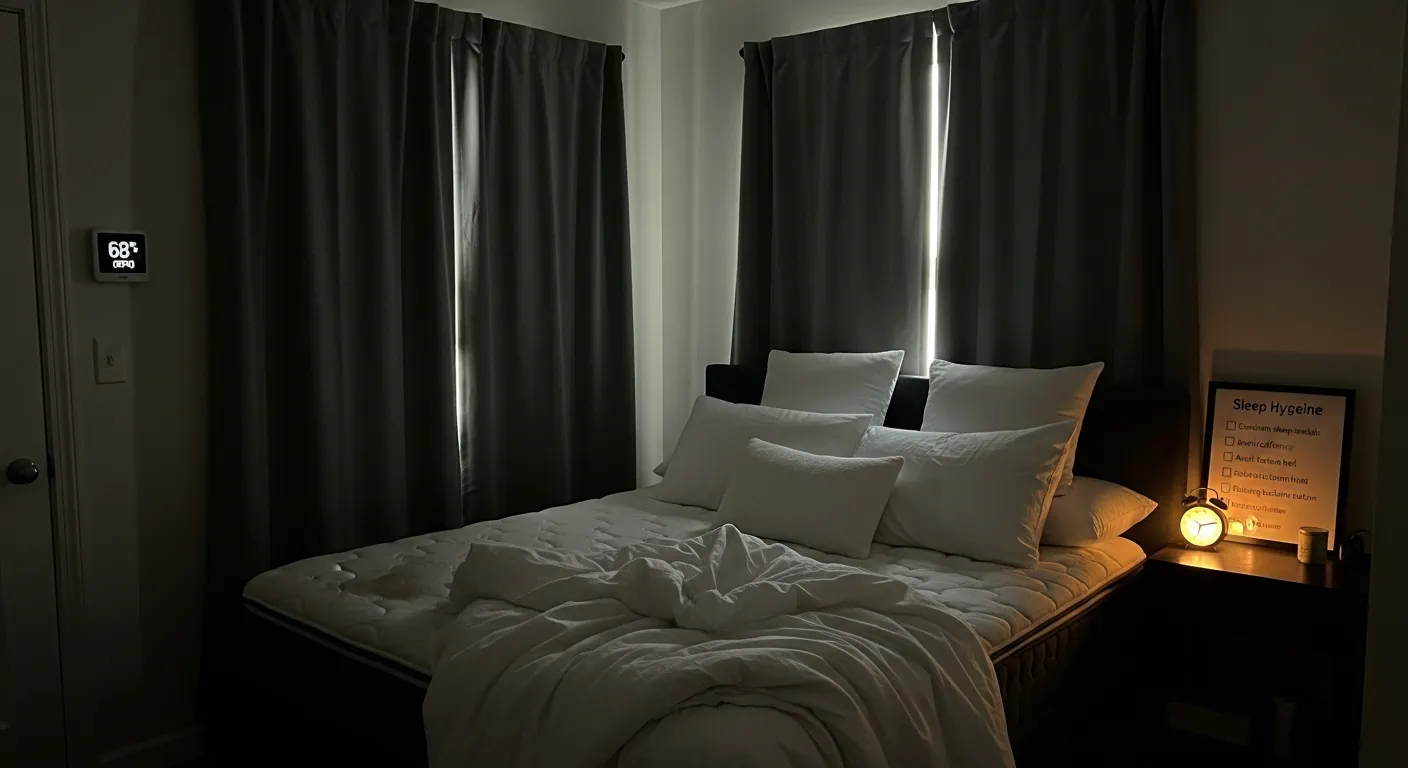
Feeling restless when your head hits the pillow? You're not alone. In our fast-paced world, an overactive mind is a primary culprit behind sleepless nights. But what if there was a simple, effective way to calm the mental chatter and invite profound rest? This article delves into how simple mindfulness exercises for falling asleep faster and deeper can transform your nighttime routine. By cultivating a mindful presence, you can significantly improve your sleep quality, reduce the time it takes to drift off, and wake feeling truly refreshed.
Key Points:
- 🧘 Mindfulness Calms the Mind: Learn how present-moment awareness reduces overthinking.
- ⏰ Faster Sleep Onset: Discover exercises designed to ease you into slumber quickly.
- 🛌 Deeper, Restorative Sleep: Understand how mindfulness enhances sleep architecture.
- 🧠 Neuroscience Backed: Explore the scientific reasons behind mindfulness's sleep benefits.
- 🛠️ Practical Techniques: Get step-by-step guidance on accessible exercises you can start tonight.
Understanding Mindfulness and Its Impact on Sleep
Mindfulness is the practice of being present and fully engaged in the current moment, acknowledging your thoughts, feelings, and bodily sensations without judgment. It’s a powerful tool for stress reduction, and its benefits extend significantly to our sleep patterns. Many individuals struggle with sleep because their minds are caught in a cycle of worry, planning, or replaying past events. This mental churn can make it incredibly difficult to relax and fall asleep.
By engaging in simple mindfulness exercises for falling asleep faster and deeper, you train your brain to disengage from these disruptive thought patterns. Instead of resisting intrusive thoughts, mindfulness teaches you to observe them with a detached curiosity, allowing them to pass without getting drawn into their narrative. This subtle shift can be profoundly impactful on your ability to initiate and maintain sleep. It helps create a peaceful mental landscape conducive to rest, laying the groundwork for genuinely restorative sleep.
The Neuroscience of a Peaceful Mind for Better Sleep
Recent advancements in sleep science highlight the profound connection between mental state and sleep architecture. Mindfulness practices are shown to promote activity in the brain's prefrontal cortex, which is crucial for emotional regulation and cognitive control. This can lead to a reduction in activity in the amygdala, the brain's "fear center," which often goes into overdrive when we're stressed or anxious. By dampening the amygdala's response, mindfulness helps to lower the physiological arousal that prevents sleep.
Furthermore, studies utilizing EEG monitoring have demonstrated that consistent mindfulness practice can increase alpha and theta brainwave activity. Alpha waves are associated with a relaxed, wakeful state, while theta waves are linked to the onset of sleep and deep relaxation. This shift in brainwave patterns, moving away from high-frequency beta waves often present during anxiety, directly contributes to the ability to quiet your mind before sleep. As noted by Dr. Sarah Conroy, a sleep neuroscientist, in an article for Sleep Research Today in early 2024, "The intentional cultivation of alpha-theta states through mindfulness offers a non-pharmacological pathway to enhanced sleep initiation and quality, essentially retraining the brain for rest." This neurobiological underpinning provides strong evidence for mindfulness as an effective intervention for improving sleep.
Practical Mindfulness Exercises for Falling Asleep Faster and Deeper
Integrating mindfulness into your evening routine doesn't require hours of meditation. Even a few minutes of focused practice can make a significant difference. Here are some simple mindfulness exercises for falling asleep faster and deeper that you can try tonight. These techniques are designed to anchor you in the present, helping your body and mind prepare for sleep. Consistency is key, so try to make them a regular part of your pre-sleep ritual.
1. Mindful Breathing (The 4-7-8 Technique)
Mindful breathing is perhaps the most accessible entry point to mindfulness for sleep. The 4-7-8 breathing technique, popularized by Dr. Andrew Weil, is a powerful tool for calming the nervous system.
- Process:
- Preparation: Lie comfortably in bed. Place the tip of your tongue against the ridge of tissue just behind your upper front teeth, and keep it there throughout the entire exercise.
- Exhale Completely: Exhale completely through your mouth, making a gentle "whoosh" sound.
- Inhale (4 counts): Close your mouth and inhale quietly through your nose to a mental count of four.
- Hold (7 counts): Hold your breath for a count of seven.
- Exhale (8 counts): Exhale completely through your mouth, making a "whoosh" sound, to a count of eight.
- Repeat: This is one breath. Inhale again and repeat the cycle three more times for a total of four breaths.
This exercise is designed to slow your heart rate and increase oxygen flow, signaling to your body that it's safe to relax. It offers a tangible focal point when your mind begins to wander.
2. The Body Scan Meditation
A body scan meditation involves systematically bringing your attention to different parts of your body, noticing any sensations without judgment. This practice helps to release physical tension and brings your awareness fully into the present moment.
- Process:
- Lie Down: Lie on your back in bed, arms resting at your sides, palms up or down.
- Focus on Breath: Take a few deep breaths, noticing the rise and fall of your abdomen.
- Feet First: Bring your attention to your toes. Notice any sensations – warmth, coolness, tingling, pressure. Just observe.
- Move Up: Slowly move your awareness up your body: to your feet, ankles, calves, knees, thighs, hips, abdomen, lower back, upper back, chest, fingers, hands, wrists, forearms, elbows, upper arms, shoulders, neck, and finally your face and head.
- Release Tension: As you focus on each area, imagine any tension melting away with your exhale.
- Full Body Awareness: Once you’ve scanned your entire body, rest in a state of full body awareness, simply observing your breath.
This exercise is particularly effective for those who carry a lot of physical stress, helping them to literally unwind their body before sleep. For more insights on this, consider exploring resources on /categories/sleep-disorders-understanding to deepen your knowledge of sleep-related issues.
3. Gratitude Practice
While not a traditional meditation, a gratitude practice is a powerful mindfulness exercise that shifts your mental state from worry to positivity, making it easier to drift off. Focusing on appreciation can counteract negative thought spirals.
- Process:
- Relax: Lie comfortably in bed, close your eyes, and take a few slow, deep breaths.
- Reflect: Bring to mind three to five things you are genuinely grateful for from your day or life in general. These can be simple things: a good meal, a kind word, a beautiful sunset, the comfort of your bed.
- Feel It: Really feel the gratitude for each item. Let the warmth of these positive emotions wash over you.
- Drift Off: Allow these peaceful, positive feelings to accompany you as you gently transition into sleep.
This practice can rewire your brain to focus on the good, creating a more serene mental environment for sleep. It's an excellent complementary practice for understanding the science behind restorative sleep benefits and taking a holistic approach to sleep improvement.
Integrating Mindfulness into Your Nightly Routine for Optimal Sleep
Beyond specific exercises, integrating mindfulness means cultivating an overall mindful approach to your evening. This involves creating a consistent routine that signals to your body and mind that it's time to wind down. One innovative approach, increasingly discussed in sleep wellness circles as of late 2024, is the Mindful Disconnect Hour. This concept encourages setting aside a dedicated hour before bed to completely disconnect from screens and engage in non-stimulating activities while being fully present. For instance, instead of mindlessly scrolling, you might mindfully read a physical book, enjoying the tactile sensation of the pages and the story unfolding without distraction.
Another key aspect is creating a "sleep sanctuary." Ensure your bedroom is dark, quiet, and cool. Consider investing in comfortable bedding and reducing clutter. This mindful attention to your sleep environment works in tandem with mental exercises to reinforce healthy sleep patterns. This holistic approach, combining mental stillness with a conducive physical space, provides a powerful foundation for enhancing your sleep quality. It's about being intentional with your transition from wakefulness to rest. Optimizing your sleep environment is just as crucial as the mental work.
Frequently Asked Questions About Mindfulness and Sleep
Q: How quickly can I expect to see results from mindfulness for sleep?
A: Many individuals report feeling a noticeable difference in sleep quality and faster sleep onset within a few days or weeks of consistent practice. However, like any skill, deeper benefits accumulate over time with continued dedication. Patience and regular practice are key to long-term improvements in your ability to quiet your mind before sleep.
Q: Do I need prior meditation experience to try these exercises?
A: Absolutely not. The mindfulness exercises described are designed for beginners and require no prior meditation experience. They are straightforward techniques focused on simple breath awareness and body scanning, making them accessible to anyone looking to improve their sleep.
Q: Can mindfulness help with chronic insomnia?
A: While mindfulness is not a cure for all types of chronic insomnia, it can be a highly effective complementary therapy. Research, including findings highlighted in the Journal of Clinical Sleep Medicine in late 2023, suggests that Mindfulness-Based Stress Reduction (MBSR) programs can significantly reduce insomnia symptoms by addressing the underlying anxiety and cognitive arousal that often contribute to sleeplessness. It helps you manage the mental component of insomnia.
Q: Are there any downsides to practicing mindfulness for sleep?
A: Generally, there are no significant downsides to practicing mindfulness for sleep. It's a non-invasive, drug-free approach. Some individuals might initially find it challenging to quiet their minds, but this is part of the learning process. If you have severe mental health conditions, it's always wise to discuss new practices with a healthcare professional.
Conclusion: Embrace a Quieter Mind, Deeper Sleep
In a world full of distractions, learning to quiet your mind is a superpower, especially when it comes to sleep. By embracing simple mindfulness exercises for falling asleep faster and deeper, you're not just practicing techniques; you're cultivating a lifestyle of presence and peace. These practices offer a sustainable, drug-free path to improved sleep quality, allowing you to wake up feeling more rested, focused, and ready to take on the day. Make the commitment to incorporate these exercises into your nightly routine and experience the profound difference they can make.
We invite you to share your experiences with mindfulness for sleep in the comments below! What exercises have worked best for you? Your insights can help others on their journey to better rest. Consider subscribing to our newsletter for more tips and updates on sleep health. For further reading, explore our articles on understanding the various aspects of /categories/sleep-disorders-understanding and how different strategies can lead to better health outcomes.
Recommended Future Topics:
- The Role of Nutrition and Exercise in Enhancing Mindfulness for Sleep
- Advanced Mindfulness Techniques for Managing Nighttime Anxiety
- Integrating Mindfulness with Cognitive Behavioral Therapy for Insomnia (CBT-I)