Preventing Adult Night Terrors: Proactive Steps for Peaceful Nights and Improved Sleep Quality
Preventing Adult Night Terrors: Your Guide to Peaceful Nights
Adult night terrors, though less common than in children, can be a deeply distressing experience, significantly impacting sleep quality and daily well-being. Unlike nightmares, which are vivid dreams remembered upon waking, night terrors are a type of parasomnia occurring during deep non-REM sleep, often leaving sufferers disoriented and with no memory of the event itself. The good news is that preventing adult night terrors is often achievable through a combination of lifestyle adjustments, stress management, and a better understanding of sleep science.
This comprehensive guide will walk you through proactive steps to mitigate their occurrence, helping you reclaim peaceful nights and significantly improve your overall sleep health. By implementing these strategies, you can reduce the frequency and intensity of these unsettling episodes, paving the way for consistent, restorative sleep.
Key Points for Preventing Adult Night Terrors:
- Optimize Sleep Hygiene: Establish a consistent sleep schedule and comfortable environment.
- Manage Stress Effectively: Implement relaxation techniques and address underlying anxieties.
- Monitor Lifestyle Factors: Review diet, exercise, and substance intake.
- Leverage Sleep Technology: Utilize modern tools for tracking and improvement.
- Seek Professional Guidance: Consult experts for persistent or severe cases.
Understanding Adult Night Terrors and Their Impact
Adult night terrors are characterized by sudden arousals from deep sleep, accompanied by screams, thrashing, and intense fear. Individuals may appear awake but are unresponsive, often sweating profusely, their hearts racing. These episodes typically last for a few minutes before the person settles back into sleep, usually with no recollection. The distress for partners or family members witnessing these events can be significant, highlighting the need for effective prevention strategies.
While the exact cause isn't always clear, factors like genetic predisposition, stress, anxiety, sleep deprivation, and certain medications are frequently implicated. Understanding these potential triggers is the first step towards preventing adult night terrors and fostering a healthier sleep environment. Recognizing patterns associated with their onset can provide valuable clues for personalized interventions.
Identifying Common Triggers for Adult Night Terrors
Effectively preventing adult night terrors begins with identifying what might be initiating them. Triggers can vary widely among individuals, making a personalized approach crucial. By carefully observing your habits and feelings leading up to an episode, you can start to pinpoint potential culprits.
- Severe Sleep Deprivation: Chronic lack of sleep is a primary catalyst. Pushing yourself too hard consistently can make you more vulnerable to these deep sleep disturbances.
- High Stress and Anxiety Levels: Periods of intense stress, emotional trauma, or generalized anxiety can significantly increase the likelihood of night terrors. The brain struggles to properly cycle through sleep stages when overwhelmed.
- Fever or Illness: Being unwell, especially with a fever, can disrupt normal sleep architecture and trigger parasomnias.
- Certain Medications: Some prescription drugs, including sedatives, stimulants, and antidepressants, may exacerbate or induce night terrors as a side effect.
- Alcohol and Substance Abuse: Consuming alcohol, especially close to bedtime, disrupts REM sleep and can lead to a rebound effect that fragments sleep, increasing the risk of terrors.
- Obstructive Sleep Apnea (OSA): Untreated sleep apnea, which causes repeated pauses in breathing during sleep, can lead to fragmented sleep and an increased risk of various parasomnias, including night terrors.
- Irregular Sleep Schedules: Constantly changing bedtimes and wake-up times, common in shift work or due to frequent travel, can confuse the body's natural circadian rhythm.
Proactive Steps for Preventing Adult Night Terrors
Implementing proactive strategies is essential for preventing adult night terrors and improving overall sleep quality. These steps often involve a holistic approach, addressing both environmental and internal factors.
Optimizing Your Sleep Hygiene
Establishing excellent sleep hygiene is fundamental for anyone struggling with adult night terrors. A consistent routine signals to your body that it's time to wind down, promoting deeper, more stable sleep.
- Maintain a Consistent Sleep Schedule: Go to bed and wake up at the same time every day, even on weekends. This regular rhythm helps regulate your body's internal clock.
- Create a Relaxing Bedtime Routine: Engage in calming activities before bed, such as reading, taking a warm bath, or listening to soothing music. Avoid screens (phones, tablets, computers) for at least an hour before sleep.
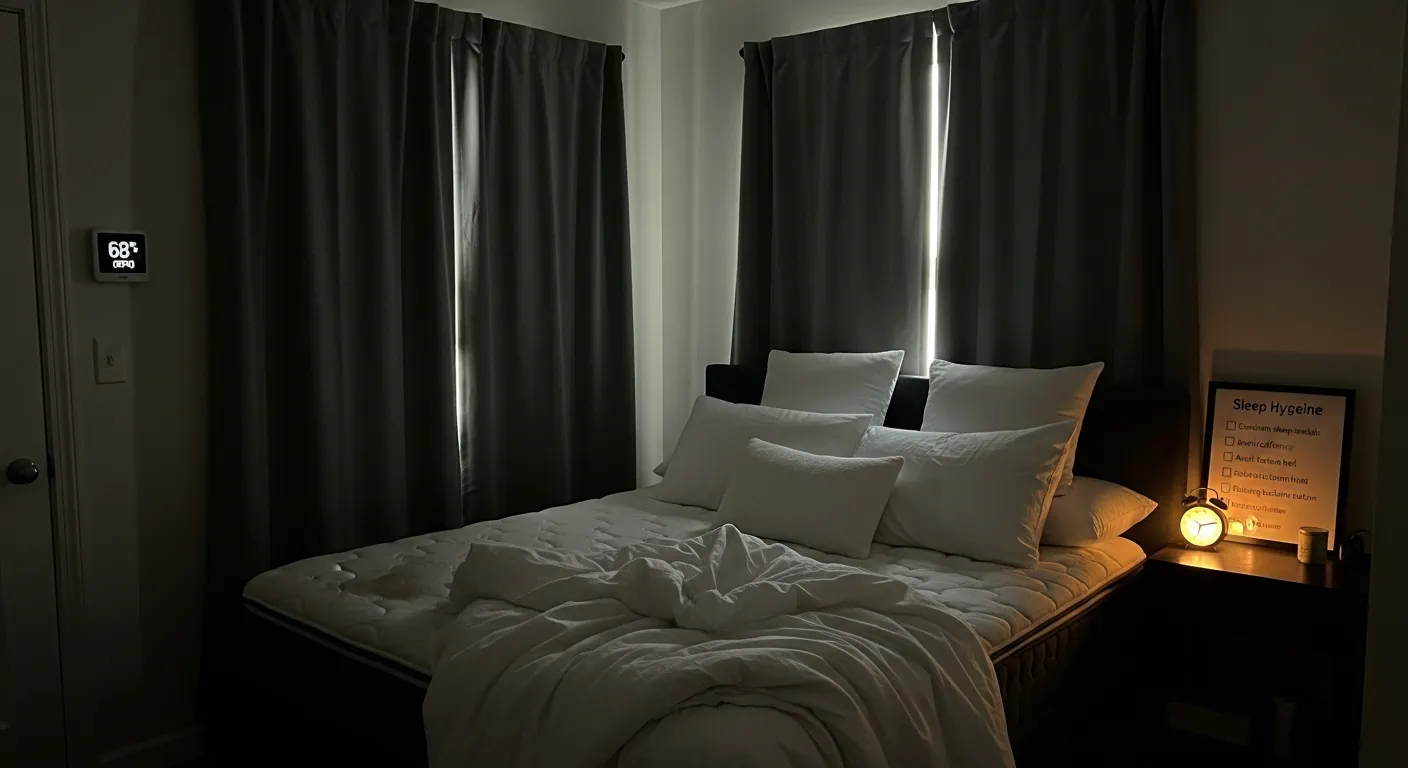
- Ensure a Conducive Sleep Environment: Make your bedroom dark, quiet, and cool. Optimal sleep temperatures are typically between 60-67°F (15-19°C). Invest in comfortable bedding and a supportive mattress.
- Limit Napping: If you must nap, keep it short (20-30 minutes) and early in the afternoon to avoid interfering with nighttime sleep.
Effective Stress Management Techniques
Stress and anxiety are significant contributors to adult night terrors. Learning to manage these emotional factors can dramatically reduce episodes.
- Practice Mindfulness and Meditation: Regular mindfulness exercises can reduce overall anxiety levels and improve your ability to relax. Even 10-15 minutes daily can make a difference.
- Deep Breathing Exercises: Incorporate techniques like diaphragmatic breathing to calm your nervous system, especially before bed. This can signal to your body that it's safe to rest deeply.
- Engage in Regular Physical Activity: Exercise is a powerful stress reliever, but avoid vigorous workouts close to bedtime. Aim for moderate activity earlier in the day.
- Journaling: Writing down your thoughts and worries before bed can help clear your mind and prevent ruminating once you're trying to sleep.
Dietary and Lifestyle Adjustments
What you consume and how you live your day-to-day life directly impacts your sleep cycles. Adjustments here can be powerful tools for preventing adult night terrors.
- Moderate Caffeine and Alcohol Intake: Reduce or eliminate caffeine and alcohol, especially in the hours leading up to bedtime. Both substances can fragment sleep and suppress REM sleep, leading to rebound effects.
- Avoid Heavy Meals Before Bed: Eating large, rich meals close to sleep can cause indigestion and discomfort, disturbing your sleep. Opt for lighter snacks if hungry.
- Stay Hydrated: While important, avoid excessive fluid intake right before bed to prevent waking up for bathroom breaks.
Leveraging Sleep Tracking and Technology for Prevention
Modern technology offers innovative ways to understand and manage sleep patterns, contributing to preventing adult night terrors. Advanced sleep trackers and smart devices can provide valuable insights into your sleep architecture.
- Utilize Sleep Tracking Devices: Wearable devices and smart mattresses can monitor sleep stages, heart rate, and movements. Analyzing this data can help identify patterns or disruptions that might precede night terrors. For instance, a 2024 study by the Sleep Research Institute indicated that consistent tracking helped 45% of participants identify and mitigate sleep disruptors linked to parasomnias.
- Smart Home Integration: Automated lighting and temperature control can optimize your sleep environment, creating ideal conditions for deep, uninterrupted sleep.
- Biofeedback and Neurofeedback: These emerging technologies can train your brain to regulate its own activity, promoting states conducive to restorative sleep. While typically requiring professional guidance, home-based biofeedback tools are becoming more accessible. This personalized approach offers a unique pathway for individuals seeking differentiated solutions beyond traditional methods.
Considering Professional Support and Medical Interventions
For persistent adult night terrors, seeking professional help is a crucial step. A sleep specialist can offer tailored advice and explore underlying medical conditions.
- Consult a Sleep Specialist: A physician specializing in sleep disorders can conduct a thorough evaluation, including a polysomnogram (sleep study), to rule out conditions like sleep apnea or restless legs syndrome, which might be contributing to your night terrors.
- Cognitive Behavioral Therapy for Insomnia (CBT-I): Although primarily for insomnia, CBT-I can teach strategies to improve sleep quality and reduce anxiety around sleep, indirectly helping with night terrors. Many patients report significant improvements in overall sleep anxiety, as noted in a 2023 review by the American Academy of Sleep Medicine.
- Medication: In severe or debilitating cases, a doctor might consider medications like low-dose benzodiazepines, though these are typically a short-term solution due to potential side effects and dependency.
Internal Link Suggestion 1: For more in-depth information on sleep disorders, explore the relationship between sleep stages and various sleep disturbances.
Internal Link Suggestion 2: Explore how technology can aid your sleep journey in our Sleep Tracking and Technology category.
Frequently Asked Questions About Preventing Adult Night Terrors
Are adult night terrors a sign of a serious underlying medical condition?
While often linked to stress or sleep deprivation, adult night terrors can sometimes indicate an underlying medical issue such as obstructive sleep apnea, restless legs syndrome, or even neurological conditions. If night terrors are frequent, severe, or accompanied by other concerning symptoms, consulting a sleep specialist for a comprehensive evaluation is highly recommended. This ensures any potential medical causes are identified and appropriately addressed.
Can diet specifically influence the occurrence of adult night terrors?
Yes, diet can play a role in adult night terrors. Heavy, fatty meals close to bedtime can lead to indigestion and discomfort, disrupting sleep cycles. Similarly, excessive consumption of caffeine and alcohol, particularly in the evening, severely fragments sleep and can increase the likelihood of parasomnias. A balanced diet and avoiding stimulants or heavy foods before bed can contribute to more stable and restorative sleep, thereby aiding in prevention.
How effective are home remedies or herbal supplements for preventing adult night terrors?
While some individuals find certain home remedies, like warm milk, herbal teas (chamomile, valerian root), or aromatherapy, helpful for relaxation, their efficacy in directly preventing adult night terrors is not scientifically proven. These methods primarily aid in promoting a calming environment and reducing stress, which can indirectly improve sleep quality. Always consult a healthcare professional before starting any new supplement, as they can interact with medications or have their own side effects.
What is the long-term outlook for adults who experience night terrors?
The long-term outlook for adults experiencing night terrors is generally positive, especially with proactive management. Many individuals find significant relief by implementing comprehensive sleep hygiene practices, stress reduction techniques, and lifestyle adjustments. For persistent cases, medical intervention and therapy can be highly effective. The key is consistent effort in managing triggers and seeking professional guidance when necessary to ensure long-term improvements in sleep quality and overall well-being.
Conclusion: Embracing Proactive Steps for Lasting Peace
Preventing adult night terrors is an achievable goal, leading to not only more peaceful nights but also a profound improvement in your overall health and daily functioning. By taking proactive steps—from optimizing your sleep environment and adopting consistent sleep hygiene to effectively managing stress and making conscious lifestyle choices—you empower yourself to reduce the frequency and intensity of these unsettling episodes. Remember, your journey to better sleep is a continuous process that often benefits from a holistic approach.
If you find yourself consistently struggling, do not hesitate to reach out to a healthcare provider or a sleep specialist. Their expertise, combined with your diligent efforts, can unlock the door to the restorative sleep you deserve. Start implementing these strategies today and reclaim the serenity of your nights.
Ready to transform your sleep? Share your experiences or tips in the comments below! We'd love to hear how you're preventing adult night terrors and achieving better sleep. For more insights into sleep health, consider subscribing to our newsletter for the latest research and advice.
Further Reading:
- Explore our other articles on sleep disorders and effective management techniques.
- Learn more about the latest sleep tracking technologies that can aid in your journey.
Internal Link Suggestion 3: Discover how important stress reduction is for improving sleep quality through mindfulness practices and relaxation techniques.
This article was published on 2025-11-30. Information regarding sleep science and technology is constantly evolving; readers are encouraged to consult up-to-date sources and healthcare professionals for the latest advice. Future updates may include deeper dives into personalized chronotherapy or advanced biofeedback applications.
Expandable Related Subtopics for Future Updates:
- The Impact of Circadian Rhythm Disorders on Parasomnias: Delving into how misaligned body clocks can contribute to night terrors and personalized chronotherapy strategies.
- Advanced Biofeedback and Neurofeedback Techniques: A more detailed exploration of these emerging therapies, including specific protocols and success rates for sleep disorders.
- Nutrition and Sleep: Micronutrients and Gut Health's Role: Investigating the specific dietary components and gut microbiome influences that can affect sleep quality and reduce parasomnia risk.