Practical Strategies from CBT-I: Techniques to Overcome Chronic Insomnia Permanently
Practical Strategies from CBT-I: Techniques to Overcome Chronic Insomnia Permanently
Chronic insomnia can feel like an endless battle, impacting every aspect of your life. From concentration at work to personal well-being, the ripple effects are profound. Fortunately, there's a highly effective, evidence-based solution: Cognitive Behavioral Therapy for Insomnia (CBT-I). This approach goes beyond temporary fixes, offering practical strategies from CBT-I: techniques to overcome chronic insomnia permanently. It empowers you to reshape your sleep patterns and thinking, leading to lasting relief. By understanding and implementing these core principles, you can reclaim your nights and improve your overall quality of life.
Key Points:
- Holistic Approach: CBT-I addresses both behavioral and cognitive aspects of insomnia.
- Evidence-Based: Backed by extensive scientific research as the gold standard treatment.
- Lasting Results: Aims for permanent resolution, not just symptomatic relief.
- Empowering Techniques: Teaches self-management skills for long-term sleep health.
- Drug-Free: Offers a non-pharmacological pathway to better sleep.
Understanding CBT-I: Your Path to Permanent Sleep Solutions
Cognitive Behavioral Therapy for Insomnia (CBT-I) is not just a set of tips; it's a structured program designed to identify and replace the thoughts and behaviors that contribute to your sleep problems. Unlike sleeping pills, which offer short-term relief, CBT-I equips you with skills for lifelong better sleep. It's considered the most effective long-term treatment for chronic insomnia. The core components of CBT-I work together to retrain your brain and body for healthy sleep. This comprehensive approach is what makes CBT-I for chronic insomnia such a powerful intervention.
Core CBT-I Strategies: Implementing Effective Techniques
Implementing effective CBT-I techniques involves a multi-faceted approach. These aren't quick fixes but rather consistent practices that gradually recalibrate your sleep system. Each strategy targets a specific aspect of insomnia, from managing bedtime routines to challenging unhelpful thoughts. By diligently applying these practical strategies from CBT-I, you can pave the way for restful nights.
1. Stimulus Control Therapy: Re-establishing the Bed-Sleep Connection
Stimulus control therapy is a cornerstone of CBT-I, designed to break the negative association many insomniacs develop with their bed. If you associate your bed with wakefulness, anxiety, or frustration, this technique helps you rebuild the connection between your bed and sleep. This is one of the most crucial insomnia treatment strategies.
- Rule 1: Go to bed only when sleepy. Avoid lying in bed just because it's "bedtime" if you don't feel tired.
- Rule 2: Use your bed only for sleep and sex. Remove activities like reading, watching TV, or using electronic devices from the bedroom.
- Rule 3: If you can't sleep, get out of bed. After about 15-20 minutes of wakefulness, leave the bedroom. Go to another room and do a quiet, non-stimulating activity (e.g., read a boring book, listen to soft music) until you feel sleepy. Then, return to bed. Repeat as necessary.
- Rule 4: Maintain a consistent wake-up time every day. This includes weekends. This helps to regulate your internal body clock, your circadian rhythm.
- Rule 5: Avoid napping. Napping can reduce sleep drive, making it harder to fall asleep at night.
2. Sleep Restriction Therapy: Optimizing Sleep Efficiency
This technique, despite its name, is not about depriving you of sleep forever. Instead, it temporarily restricts the time you spend in bed to match your actual sleep duration, thereby increasing your sleep drive and making your sleep more efficient. This is a powerful component of cognitive behavioral therapy for sleep.
- Calculate Your Sleep Window: Based on your sleep diary, estimate your total average sleep time (e.g., 5 hours).
- Set Your Bedtime and Wake-up Time: If you need to wake up at 6 AM and you sleep 5 hours, you'd go to bed at 1 AM.
- Stick to the Schedule: Adhere strictly to this sleep window, even if you feel tired during the day.
- Gradual Expansion: Once your sleep efficiency (time asleep / time in bed) reaches 85-90%, you can gradually increase your time in bed by 15-30 minutes.
- Monitor Progress: Continue to track your sleep efficiency and adjust your sleep window accordingly.
According to a 2024 review published in the Journal of Clinical Sleep Medicine, sleep restriction therapy consistently shows significant improvements in sleep onset latency and wakefulness after sleep onset within weeks of implementation.
3. Cognitive Restructuring: Challenging Unhelpful Thoughts
Many people with chronic insomnia develop negative thought patterns about sleep, such as "I'll never sleep again" or "I can't function without 8 hours." Cognitive restructuring teaches you to identify, challenge, and replace these anxiety-provoking thoughts with more realistic and helpful ones. This directly addresses the "cognitive" part of overcoming long-term sleep issues.
- Identify Automatic Negative Thoughts (ANTs): Keep a thought diary to note what you think when you can't sleep.
- Challenge the Evidence: Ask yourself: Is this thought fact or opinion? What's the evidence for it? What's the evidence against it?
- Reframe the Thought: Replace the negative thought with a balanced, realistic one. For example, instead of "I must get 8 hours or my day is ruined," try "Even if I get less sleep, I can still manage my day, and I'll likely sleep better tomorrow night."
- Practice Mindfulness: Learn to observe your thoughts without judgment, reducing their power over you.
4. Relaxation Techniques: Calming Mind and Body
Anxiety and tension are major contributors to insomnia. CBT-I incorporates various relaxation techniques to calm your nervous system before bed. These are excellent effective CBT-I techniques for lasting relief.
- Diaphragmatic Breathing: Practice slow, deep belly breaths to activate your parasympathetic nervous system.
- Progressive Muscle Relaxation (PMR): Systematically tense and then relax different muscle groups in your body, noticing the contrast.
- Guided Imagery: Use visualization to transport your mind to a peaceful scene.
- Mindfulness Meditation: Focus on the present moment, sensations, and sounds to quiet a racing mind.
Differentiated Content: Personalized Approaches and Digital Horizons
While the core CBT-I strategies are universal, their application often benefits from a personalized touch. Many people find generic "sleep hygiene" advice insufficient. Differentiated CBT-I emphasizes individualized sleep hygiene, tailoring recommendations based on a person's unique lifestyle, work schedule, and personal challenges, rather than a one-size-fits-all list. For instance, a shift worker's sleep hygiene will differ significantly from a 9-to-5 professional's. This nuance in application can drastically improve outcomes.
Furthermore, the landscape of CBT-I is evolving with the advent of digital CBT-I (dCBT-I). Recent studies highlight the effectiveness of app-based or online CBT-I programs, making treatment more accessible and often more affordable. A 2023 study by the American Academy of Sleep Medicine demonstrated that dCBT-I can be as effective as in-person therapy for many individuals, particularly in improving sleep onset and reducing wakefulness during the night. This opens new avenues for those seeking practical strategies from CBT-I without direct access to a therapist.
Enhancing Your Journey: Further Tips and Internal Links
Beyond the core techniques, integrating supportive practices can significantly enhance your journey toward permanent sleep solutions.
- Maintain a Sleep Diary: This crucial tool helps you and any sleep professional track patterns, identify triggers, and monitor progress. Consistent data collection is key to refining your approach.
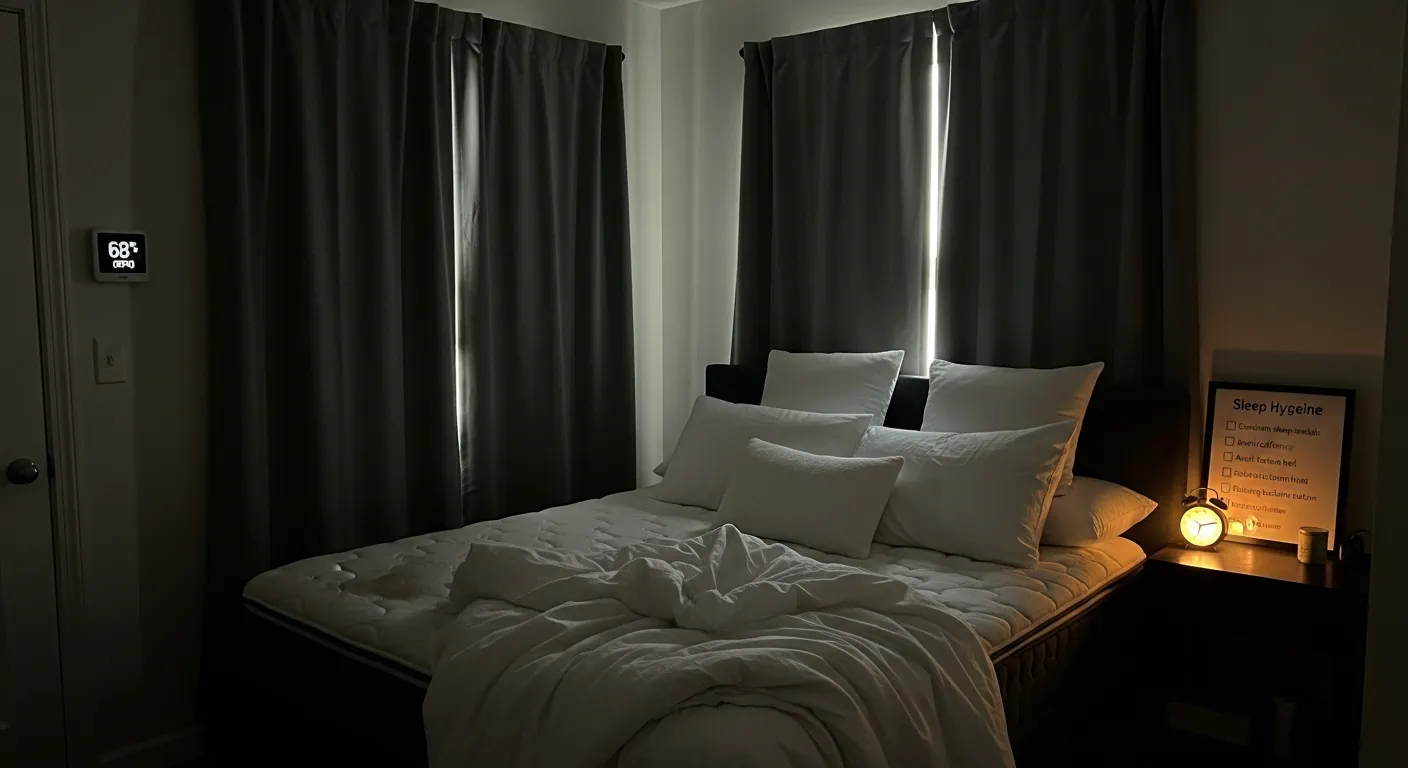
- Optimize Your Sleep Environment: Ensure your bedroom is dark, quiet, cool, and comfortable. Invest in a good mattress and pillows if needed.
- Limit Caffeine and Alcohol: Both can disrupt sleep cycles, even if alcohol initially makes you feel drowsy.
- Regular Exercise: Physical activity can promote deeper sleep, but avoid vigorous exercise too close to bedtime.
- Seek Professional Guidance: While many CBT-I principles can be self-taught, working with a trained CBT-I therapist can significantly accelerate and personalize your treatment.
For more detailed guidance on creating an ideal sleep environment, you might find value in exploring sleep hygiene essentials for better nights. To delve deeper into managing the anxious thoughts that often accompany insomnia, understanding cognitive restructuring for sleep anxiety can be helpful. If you're struggling with getting out of bed when awake, the principles of stimulus control in beating insomnia offer targeted solutions. You can also find more resources on managing sleep challenges in our main category page: /categories/insomnia-relief.
Frequently Asked Questions About CBT-I
Q: How long does it take for CBT-I to work?
A: Most individuals begin to see significant improvements in their sleep within 4-8 weeks of consistently practicing CBT-I techniques. While some relief may be felt sooner, the program's full benefits, leading to lasting change, typically emerge over a couple of months. Consistency and commitment to the strategies are key to achieving permanent results.
Q: Is CBT-I suitable for everyone with chronic insomnia?
A: CBT-I is widely recognized as the first-line treatment for chronic insomnia in adults and is suitable for most individuals. However, it may not be appropriate for those with underlying medical conditions causing their insomnia (e.g., sleep apnea, restless legs syndrome) unless those conditions are also being treated. Always consult a healthcare professional to determine the best approach for your specific situation.
Q: Can I do CBT-I on my own, or do I need a therapist?
A: While many resources and digital programs are available for self-guided CBT-I, working with a trained CBT-I therapist can significantly enhance your success. A therapist can provide personalized guidance, help you troubleshoot challenges, and ensure you're applying the techniques correctly. For complex cases or persistent difficulties, professional support is highly recommended.
Take the First Step Towards Permanent Sleep Today
Overcoming chronic insomnia is a journey, but with the practical strategies from CBT-I, it's a journey with a clear, successful path. These techniques empower you to actively change the behaviors and thoughts that keep you from restful sleep, leading to profound and lasting improvements. Don't let another night slip away to wakefulness and frustration.
Your Next Steps:
- Start a Sleep Diary: Begin tracking your sleep patterns to gain valuable insights.
- Implement One Strategy: Choose one CBT-I technique (like consistent wake-up time) and commit to practicing it daily.
- Explore Further: Consider looking for a certified CBT-I therapist or a reputable digital CBT-I program.
We encourage you to share your experiences and questions in the comments below. Your journey to better sleep starts now. Subscribe to our newsletter for more insights and updates on insomnia management and relief.
Timeliness and Scalability: This article provides current best practices based on research up to 2025. Recommendations are evergreen, but new digital CBT-I platforms and personalization techniques evolve. Future updates could explore:
- Integrating wearable tech data with CBT-I.
- The role of bright light therapy alongside CBT-I for circadian rhythm disorders.
- Specific CBT-I adaptations for unique populations (e.g., older adults, adolescents).