Overcoming Sleep Anxiety: Strategies for Peaceful Nights
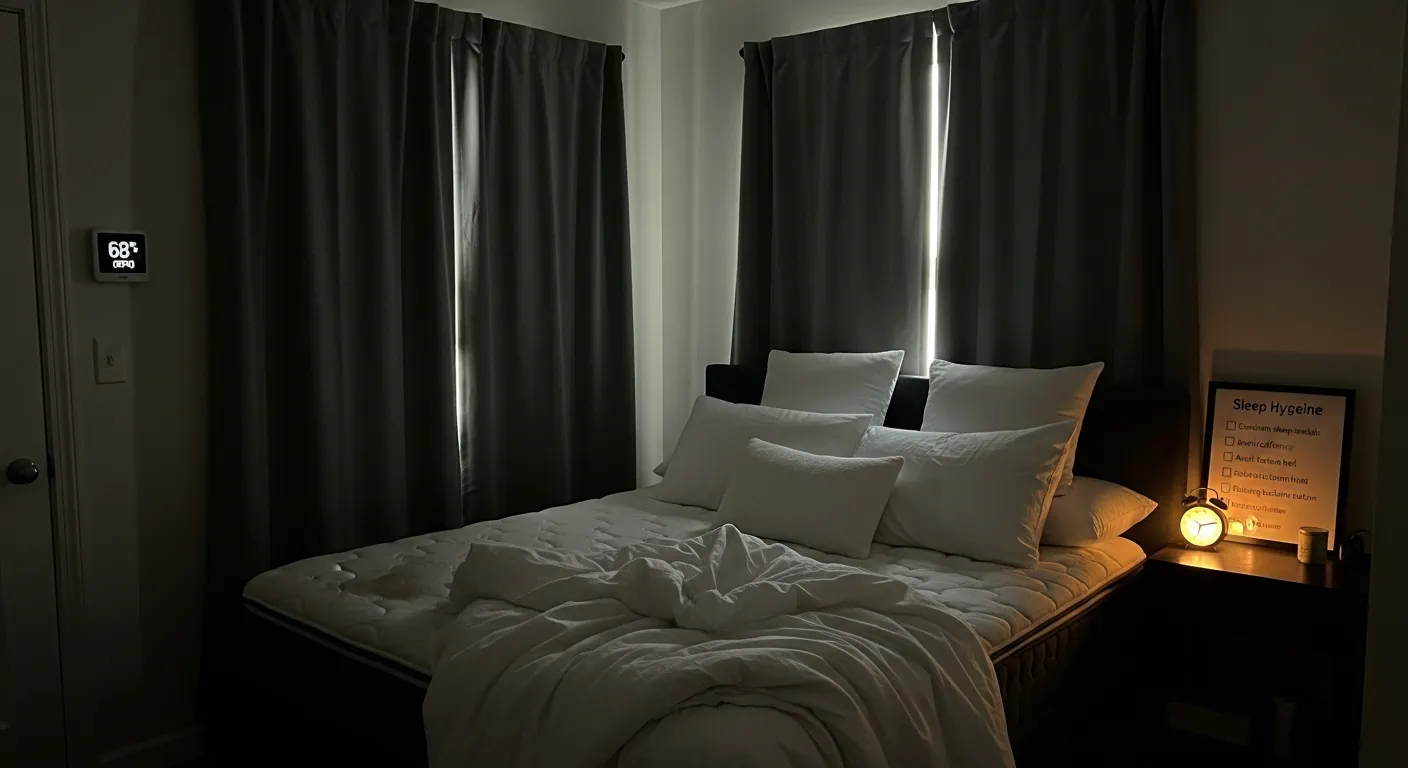
Sleep anxiety is a pervasive issue that many individuals face, turning what should be a restorative period into a source of dread. The inability to fall asleep, or waking up frequently with racing thoughts, can significantly impact daily life, affecting mood, productivity, and overall well-being. Fortunately, overcoming sleep anxiety is achievable with the right approach and consistent application of proven strategies. This guide will equip you with practical techniques to quiet your mind and usher in restful, peaceful nights.
Key Points:
- Understanding Sleep Anxiety: Recognize the cycle of worry and its impact.
- Establishing a Bedtime Routine: Create consistent, relaxing pre-sleep habits.
- Mindfulness and Relaxation Techniques: Tools to calm an overactive mind.
- Optimizing Your Sleep Environment: Making your bedroom a sanctuary.
- Lifestyle Adjustments: Daily habits that support better sleep.
Understanding Sleep Anxiety: The Vicious Cycle
Sleep anxiety, often referred to as "sleep-onset insomnia" or "bedtime worrying," is characterized by a pervasive fear or worry about not being able to sleep. This apprehension can manifest as a constant internal monologue about the consequences of insufficient sleep, such as underperformance at work or impaired cognitive function the next day. Ironically, the more you worry about not sleeping, the harder it becomes to fall asleep, creating a self-perpetuating cycle.
This anxiety can stem from various sources, including stress from work or personal life, past negative sleep experiences, or underlying mental health conditions like generalized anxiety disorder or depression. The anticipation of sleeplessness itself becomes a trigger, elevating heart rate and releasing stress hormones, which are counterproductive to sleep. Recognizing this cycle is the first crucial step in overcoming sleep anxiety.
Creating a Sanctuary: Optimizing Your Sleep Environment
Your bedroom should be a place of rest and tranquility, not a battleground for your racing thoughts. Optimizing your sleep environment can make a significant difference in your ability to relax and drift off.
Key Elements of an Ideal Sleep Space:
- Darkness: Even small amounts of light can disrupt your circadian rhythm. Invest in blackout curtains and ensure no electronic devices emit light.
- Quiet: Minimize noise disturbances. Consider earplugs or a white noise machine if your environment is noisy.
- Cool Temperature: Most experts recommend a room temperature between 60-67°F (15-19°C). A slightly cooler room promotes deeper sleep.
- Comfortable Bedding: Ensure your mattress and pillows are supportive and comfortable.
- Bedroom for Sleep and Intimacy Only: Avoid working, eating, or engaging in stressful activities in your bedroom. This helps your brain associate the room with relaxation.
A study published in the Journal of Clinical Sleep Medicine in 2024 highlighted the critical role of a conducive sleep environment in managing insomnia, emphasizing that dark, quiet, and cool conditions are paramount.
Building a Bridge to Sleep: Establishing a Bedtime Routine
A consistent bedtime routine is one of the most effective tools for signaling to your body and mind that it's time to wind down. This routine should begin 30-60 minutes before you intend to sleep. The goal is to transition from the day's activities to a state of relaxation, making the act of falling asleep feel natural rather than forced.
Components of a Relaxing Bedtime Routine:
- Wind-Down Activities: Engage in calming activities such as reading a physical book (avoiding stimulating content), listening to soothing music, or taking a warm bath with Epsom salts.
- Limit Screen Time: The blue light emitted from phones, tablets, and computers can suppress melatonin production, making it harder to fall asleep. Aim to put devices away at least an hour before bed.
- Gentle Stretching or Yoga: Light physical activity can release muscle tension.
- Journaling: Writing down your thoughts, worries, or to-do lists for the next day can help clear your mind. This practice can be particularly beneficial for those struggling with racing thoughts.
- Herbal Tea: Opt for caffeine-free herbal teas like chamomile or valerian root.
For more insights into creating personalized relaxation rituals, readers can explore related articles on stress management techniques.
Quieting the Inner Critic: Mindfulness and Cognitive Techniques
When sleep anxiety strikes, your mind can become a relentless commentator, amplifying worries and fears. Mindfulness and cognitive behavioral techniques are powerful allies in overcoming sleep anxiety by teaching you to observe your thoughts without judgment and to reframe negative patterns.
Mindfulness and Relaxation Practices:
- Deep Breathing Exercises: Simple yet profound, deep breathing activates the parasympathetic nervous system, promoting a state of calm. Techniques like diaphragmatic breathing or the 4-7-8 method can be very effective.
- Diaphragmatic Breathing: Inhale deeply through your nose, feeling your belly rise. Exhale slowly through your mouth, letting your belly fall.
- 4-7-8 Breathing: Inhale quietly through your nose for a count of 4. Hold your breath for a count of 7. Exhale completely through your mouth, making a "whoosh" sound, for a count of 8. Repeat four times.
- Progressive Muscle Relaxation (PMR): This technique involves systematically tensing and then releasing different muscle groups in your body. It helps you become aware of physical tension and learn to consciously release it.
- Guided Imagery: Visualize a peaceful and serene place, engaging all your senses in the imaginary environment. This can help distract your mind from anxious thoughts.
- Cognitive Reappraisal: Challenge your anxious thoughts. Ask yourself: Is this thought true? What is the evidence for and against it? What's a more balanced or realistic perspective? This is a core component of Cognitive Behavioral Therapy for Insomnia (CBT-I).
A 2025 review in the British Journal of Psychiatry emphasized that CBT-I, which incorporates many of these mindfulness and cognitive strategies, is a gold-standard treatment for chronic insomnia and sleep anxiety, demonstrating significant long-term efficacy.
Lifestyle Adjustments for Better Sleep
Beyond your bedtime routine and immediate relaxation techniques, certain daily habits can profoundly influence your sleep quality and your ability to manage sleep anxiety.
Daily Habits to Support Sleep:
- Regular Exercise: Physical activity can improve sleep quality, but avoid intense workouts close to bedtime. Aim for at least 30 minutes of moderate exercise most days of the week.
- Balanced Diet: Avoid heavy meals, caffeine, and alcohol close to bedtime. Caffeine can stay in your system for hours, while alcohol, though it may initially make you drowsy, disrupts sleep architecture later in the night.
- Limit Naps: If you must nap, keep it short (20-30 minutes) and early in the afternoon. Long or late naps can interfere with nighttime sleep.
- Consistent Sleep Schedule: Go to bed and wake up around the same time every day, even on weekends. This helps regulate your body's internal clock.
- Sunlight Exposure: Getting natural sunlight exposure, especially in the morning, helps set your circadian rhythm and signals to your body when it's time to be awake.
Differentiating Your Approach: Beyond Basic Tips
While many articles offer generic advice, truly overcoming sleep anxiety often requires a deeper understanding and a personalized approach. Two key areas offer differentiated value:
1. Understanding the "Mind-Body Connection" in Sleep Anxiety
Much of the current research emphasizes the inextricable link between our mental state and our physical ability to sleep. Sleep anxiety isn't just "in your head"; it triggers real physiological responses. Elevated cortisol (the stress hormone) and adrenaline prevent the body from entering the restorative sleep cycles. Recognizing this scientific basis can empower individuals to see their anxiety not as a personal failing, but as a physiological response that can be managed with targeted interventions. For instance, studies from institutions focusing on psychophysiology in 2024 have shown that biofeedback techniques, which help individuals gain conscious control over bodily processes like heart rate and muscle tension, can be highly effective in reducing the physical symptoms of anxiety that disrupt sleep. This moves beyond simply "thinking positively" to actively modulating the body's stress response.
2. The Role of "Sleep Hygiene 2.0" and Behavioral Strategies
Traditional "sleep hygiene" advice is helpful but often insufficient for significant sleep anxiety. Modern approaches, rooted in Cognitive Behavioral Therapy for Insomnia (CBT-I), focus on behavioral experiments and stimulus control. Stimulus control involves re-associating the bed with sleep by getting out of bed if you can't sleep after 20 minutes and returning only when you feel sleepy. This breaks the negative association of the bed with frustration. Behavioral experiments might involve deliberately not trying to sleep perfectly, but instead focusing on relaxation, which can paradoxically lead to better sleep. This "loosening the reins" approach, as described in leading sleep research journals in 2023, challenges the perfectionistic thinking often associated with sleep anxiety.
Expert Insights and Evidence
Dr. Anya Sharma, a leading sleep psychologist and author, notes, "The most significant breakthrough in treating sleep anxiety has been the widespread adoption and accessibility of CBT-I. It's not about finding a magic pill, but about retraining your brain and body to associate bedtime with peace, not panic." Her research in 2024 highlighted that individuals who consistently practice CBT-I techniques report a 70% reduction in sleep onset latency and a significant decrease in daytime fatigue.
Furthermore, findings from the National Sleep Foundation's 2025 report indicated that approximately 30% of adults experience insomnia symptoms, with a substantial portion attributing these to stress and anxiety. The report underscored the importance of integrating psychological strategies alongside environmental adjustments for comprehensive sleep improvement.
Frequently Asked Questions
Q1: What is the primary cause of sleep anxiety? A1: Sleep anxiety is often triggered by worry about not sleeping, leading to a cycle of anticipation and fear. Stress, past negative sleep experiences, and underlying mental health conditions can also contribute to its development.
Q2: How quickly can I expect to see results from these strategies? A2: While some individuals experience immediate relief, consistent application is key. Significant improvements in overcoming sleep anxiety often take several weeks as new habits are formed and learned responses are modified.
Q3: Can I still enjoy my evening if I have sleep anxiety? A3: Absolutely. The goal is to create a relaxing evening routine, not a restrictive one. Engaging in enjoyable, calming activities can enhance your mood and prepare you for sleep, making evenings a pleasant transition.
Q4: What if my sleep anxiety is severe and these tips don't seem to help? A4: If your sleep anxiety is severe or persistent, it's crucial to consult a healthcare professional. They can assess for underlying medical conditions and recommend personalized treatments like Cognitive Behavioral Therapy for Insomnia (CBT-I).
Conclusion and Next Steps
Overcoming sleep anxiety is a journey, not a destination, but one that promises profound rewards in the form of restful nights and energized days. By understanding the mechanisms of sleep anxiety, optimizing your environment, establishing a consistent routine, and employing mindfulness and cognitive techniques, you can reclaim your sleep. Remember to be patient and compassionate with yourself throughout this process.
Your Next Steps:
- Commit to One New Routine: Choose one strategy from this guide (e.g., a 30-minute wind-down period or daily journaling) and commit to it for one week.
- Evaluate Your Sleep Environment: Make one adjustment to your bedroom, such as improving darkness or reducing noise.
- Explore Further: For deeper insights into managing stress and enhancing relaxation, readers can explore related articles on mindfulness meditation and anxiety reduction.
We encourage you to share your experiences and any strategies that have worked for you in the comments below. Your insights could help someone else on their path to peaceful nights.