Optimizing Your Sleep Cycles: Strategies for Waking Up Refreshed and Energized Daily
Optimizing Your Sleep Cycles: Strategies for Waking Up Refreshed and Energized Daily
Waking up feeling groggy is a common complaint, often linked to a misalignment with our natural sleep cycles. Optimizing your sleep cycles isn't just about getting enough hours; it's about syncing with your body's innate rhythms to enhance recovery and boost daytime energy. This guide delves into practical, science-backed strategies that will help you wake up refreshed and energized daily, transforming your mornings and overall well-being. By understanding the intricate stages of sleep and implementing smart adjustments, you can unlock a new level of daily vitality.
Key Points for Optimized Sleep
- Understand Your Chronotype: Tailor your sleep schedule to your natural body clock.
- Master Sleep Hygiene: Create an optimal sleep environment and routine.
- Leverage Sleep Tracking Technology: Gain insights into your sleep architecture.
- Align with Circadian Rhythms: Utilize light and darkness effectively.
- Personalize Your Wake-Up: Experiment with smart alarms and gradual light.
Understanding the Foundation of Optimizing Your Sleep Cycles
Sleep is far from a passive state; it's an active process vital for physical and mental restoration. Our sleep is structured into distinct cycles, each lasting approximately 90 minutes and comprising stages of non-REM (NREM) and REM sleep. NREM sleep includes light sleep and deep sleep, with the latter being crucial for physical repair and growth hormone release. REM sleep, characterized by vivid dreams, is essential for cognitive functions like memory consolidation and emotional processing. Optimizing your sleep cycles involves ensuring you move through these stages efficiently, allowing your body and mind to fully recover.
Interrupting a deep sleep cycle can leave you feeling disoriented and fatigued, even if you’ve had sufficient hours in bed. Conversely, waking during a lighter stage of sleep can lead to greater alertness. The goal is to maximize the restorative power of each cycle and gently transition out of sleep when your body is naturally ready. This understanding forms the bedrock for truly waking up refreshed and energized daily.
The Science Behind Waking Up Refreshed
The key to waking up refreshed lies in understanding your circadian rhythm, your body's internal 24-hour clock. This rhythm regulates numerous physiological processes, including sleep-wake cycles, hormone release, and body temperature. Light exposure, particularly natural sunlight, is the most powerful synchronizer of your circadian rhythm. Exposure to bright light first thing in the morning signals to your brain that it's time to be awake and alert, suppressing melatonin production.
Moreover, recent research, such as a 2023 study published in Sleep Medicine Reviews, emphasizes the personalized nature of circadian alignment. It suggests that generic sleep advice often falls short, advocating for strategies tailored to an individual's unique chronotype – whether you're a "morning lark" or a "night owl." Ignoring your natural chronotype can lead to chronic sleep debt and reduced daytime performance, making it harder to feel energized.
Strategic Approaches for Optimizing Your Sleep Cycles
To genuinely wake up refreshed and energized daily, a multi-faceted approach is necessary. These strategies combine behavioral changes with modern technological insights.
1. Mastering Your Sleep Hygiene and Environment
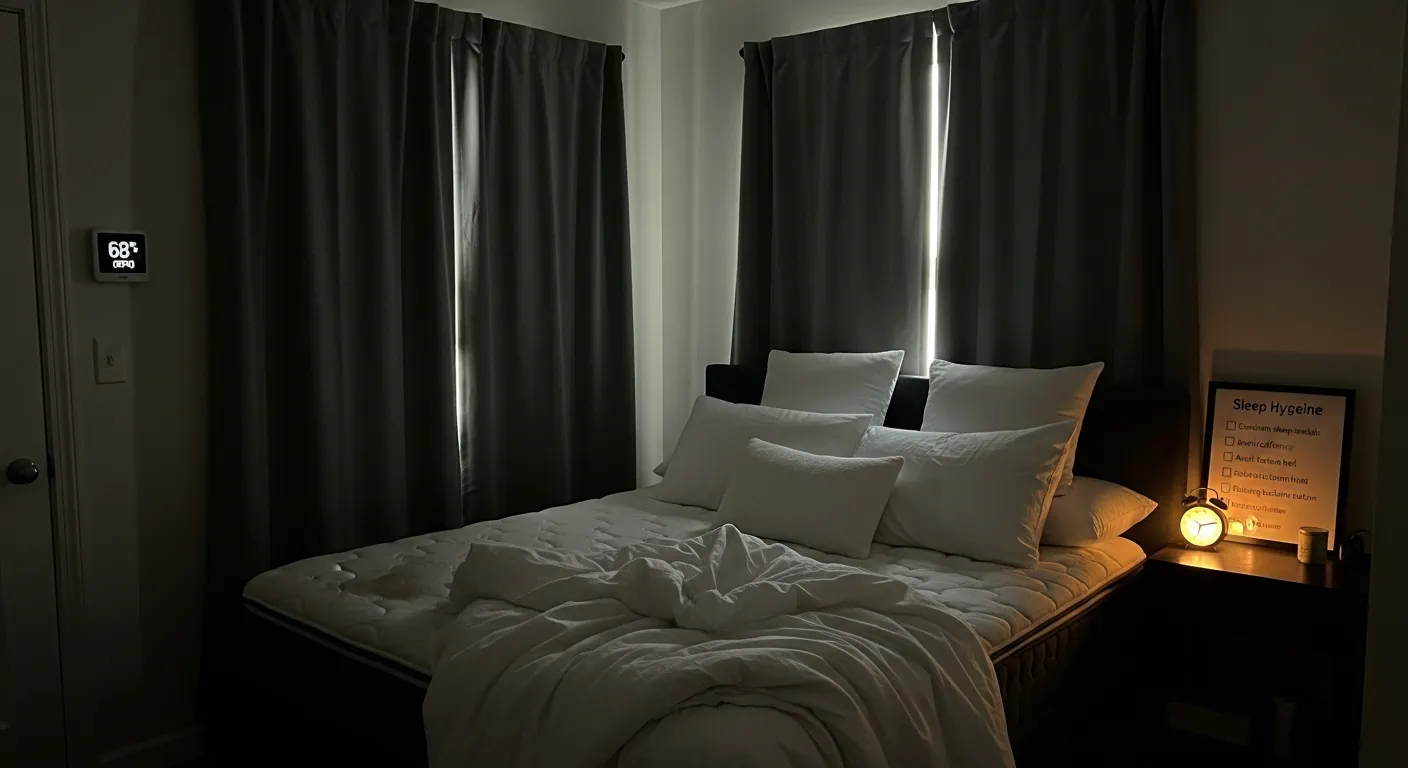
Sleep hygiene refers to practices and habits necessary for good nighttime sleep quality and full daytime alertness. A conducive sleep environment is paramount. Your bedroom should be a sanctuary dedicated solely to rest.
- Darkness is Key: Ensure your bedroom is as dark as possible. Even small amounts of light can disrupt melatonin production. Consider blackout curtains or an eye mask.
- Temperature Control: The ideal sleep temperature is typically between 60-67°F (15-19°C). A cooler room facilitates the body's natural drop in core temperature, signaling readiness for sleep.
- Minimize Noise: Use earplugs, a white noise machine, or even a fan to block out disruptive sounds. Consistency in noise levels can be as important as silence.
- Comfortable Bedding: Invest in a comfortable mattress, pillows, and bedding that support good posture and allow for temperature regulation.
Establishing a consistent pre-sleep routine also plays a crucial role. This might include a warm bath, reading a book (not on a backlit device), gentle stretching, or meditation. The aim is to wind down and signal to your body that sleep is approaching, aiding in optimizing your sleep cycles from the outset.
2. Aligning with Your Natural Circadian Rhythm
Harnessing your body’s internal clock is perhaps the most impactful strategy. This involves consistent timing and intelligent light exposure.
- Consistent Sleep Schedule: Go to bed and wake up at the same time every day, even on weekends. This regular rhythm reinforces your body's natural sleep-wake cycle.
- Morning Light Exposure: Aim for 15-30 minutes of natural light exposure within an hour of waking up. Step outside, open curtains, or use a light therapy lamp. This helps to reset your circadian rhythm and boost alertness.
- Evening Light Restriction: Avoid blue light from screens (phones, tablets, computers, TVs) for at least 2-3 hours before bed. Blue light suppresses melatonin, making it harder to fall asleep and disrupting sleep quality. Using blue light filters or wearing blue light-blocking glasses can help.
This strategic use of light helps your body distinguish between day and night, making it easier to fall asleep at your desired time and wake up feeling truly refreshed.
3. Leveraging Sleep Tracking Technology for Deeper Insights
Modern wearable devices and apps categorized under "Sleep Tracking and Technology" offer invaluable data for optimizing your sleep cycles. These tools can monitor various metrics, including:
- Sleep Stages: Differentiate between light, deep, and REM sleep.
- Heart Rate Variability (HRV): An indicator of recovery and stress levels during sleep.
- Movement: Detecting restlessness and interruptions.
- Breathing Patterns: Identifying potential issues like snoring or sleep apnea (though professional diagnosis is always recommended).
For a deeper dive into how these gadgets work, consider exploring our category on /categories/sleep-technology-tools. By analyzing trends over time, you can identify patterns, such as how specific habits (e.g., late-night meals, intense exercise) impact your sleep architecture. For example, a 2024 report by the Sleep Foundation noted that individuals who consistently track their sleep patterns often report a higher perceived sleep quality due to increased awareness and targeted interventions. This empowers you to make data-driven adjustments.
4. Personalizing Your Wake-Up Experience
Beyond just tracking, personalize your morning routine to make waking up less jarring. This is a crucial element for truly waking up refreshed and energized daily.
- Smart Alarms: Many sleep trackers and apps feature "smart alarms" that aim to wake you during a period of light sleep within a set window (e.g., 30 minutes before your target wake-up time). This minimizes the chance of being pulled from deep sleep.
- Gradual Light Alarms: Mimicking natural dawn, these alarms slowly brighten your room, gently signaling your body to decrease melatonin and prepare for wakefulness. This is far more natural than an abrupt sound.
- Gentle Movement and Hydration: Upon waking, a few minutes of stretching or gentle movement can help activate your body. Drinking a glass of water immediately rehydrates you after hours of sleep.
This personalized approach minimizes morning inertia, allowing for a smoother, more energized daily start.
Differentiated Insights: Beyond Standard Sleep Advice
While foundational sleep hygiene is crucial, two emerging areas offer further differentiation for optimizing your sleep cycles:
- Chronotype-Specific Optimization: Many sleep guides offer generic advice. However, understanding and adapting to your individual chronotype – whether you're a morning lark, night owl, or somewhere in between – is revolutionary. Instead of forcing yourself into an early routine if you're a natural night owl, try to shift your schedule gradually or adjust your work/life commitments where possible. A 2025 article in Frontiers in Neuroscience highlighted the significant cognitive and mood benefits derived from aligning daily tasks with one's natural peak alertness times, determined by chronotype. This personalization is key to unlocking sustained energy through understanding your chronotype for optimal productivity.
- Micro-Napping and Sleep Stage Manipulation: While consistent nighttime sleep is paramount, strategic micro-napping can supplement energy levels without disrupting nighttime sleep. Differentiated value comes from learning how to take these naps (e.g., 20 minutes to avoid deep sleep inertia) and using advanced sleep tracking to identify optimal times based on your individual recovery needs during the day. Some cutting-edge research even explores neurofeedback techniques to gently guide individuals into specific sleep stages, though this is still largely experimental and not commercially available.
Internal Linking for Comprehensive Sleep Health
As you embark on your journey to optimize your sleep, remember that consistency and personalized attention are your greatest allies. Consider how smart wearables can further enhance your understanding of your sleep patterns and help you make data-driven adjustments.
FAQ Section: Common Questions About Optimizing Sleep
Q: How long does it take to reset my sleep cycles?
A: Resetting your sleep cycles and circadian rhythm typically takes several days to a few weeks. Consistency is crucial during this period. Sticking to a strict sleep schedule, including weekends, and consistent morning light exposure will accelerate the process. Be patient with yourself, as significant shifts require time for your body to adapt.
Q: Can diet and exercise impact my morning energy levels?
A: Absolutely. A balanced diet rich in whole foods supports overall energy production and stable blood sugar, preventing energy crashes. Avoid heavy meals and excessive caffeine close to bedtime. Regular exercise, particularly in the morning or afternoon, improves sleep quality, leading to more energized daily awakenings. However, strenuous exercise too close to bedtime can be counterproductive.
Q: Is it beneficial to wake up without an alarm?
A: Waking up naturally without an alarm is ideal, as it suggests your body has completed its necessary sleep cycles and is emerging from a light sleep stage. This is a strong indicator of having achieved optimal sleep duration and quality. While not always practical, striving for conditions that allow this, such as consistent sleep habits, is a goal for optimizing your sleep cycles.
Conclusion: Your Path to Waking Up Refreshed
Optimizing your sleep cycles is a transformative journey that extends far beyond just adding more hours to your night. It’s about understanding your body’s unique rhythms, creating an environment conducive to deep rest, and leveraging modern insights to personalize your approach. By consistently applying strategies like maintaining strict sleep hygiene, aligning with your circadian rhythm, and utilizing sleep tracking technology, you empower yourself to wake up refreshed and energized daily.
Start implementing these strategies today and observe the profound impact on your energy, mood, and overall productivity. Share your experiences in the comments below – what has been your most effective strategy for optimizing your sleep cycles? For more insights into advanced sleep strategies and related wellness topics, consider subscribing to our newsletter.
Extended Reading Suggestions:
- The Impact of Stress on Sleep Quality: Explore how stress management techniques can further enhance your sleep.
- Nutritional Strategies for Better Sleep: Delve into specific foods and supplements that support healthy sleep.
- Advanced Biohacking for Sleep: Learn about cutting-edge methods for sleep improvement and recovery.
Information timeliness note: This article reflects current best practices and research up to late 2025. Sleep science is an evolving field; it is recommended to review and update information annually for the latest advancements.