Optimize Your REM Cycle: Strategies to Enhance Deep Sleep for Better Cognitive Function
Optimize Your REM Cycle: Strategies to Enhance Deep Sleep for Better Cognitive Function
Sleep isn't just a period of rest; it's a dynamic, active state crucial for our physical and mental well-being. Among its various stages, REM (Rapid Eye Movement) and deep sleep are particularly vital for our brain health. When you effectively optimize your REM cycle and prioritize deep sleep, you unlock profound benefits for memory, learning, and overall cognitive function. This article delves into actionable strategies to help you achieve the restorative sleep your brain truly needs, moving beyond basic sleep hygiene to truly enhance deep sleep.
Key Points for Optimizing Your Sleep:
- Understanding Sleep Stages: Differentiate between NREM (deep sleep) and REM sleep and their distinct roles in brain health.
- Circadian Rhythm Consistency: Establish a regular sleep schedule to synchronize your body's internal clock.
- Environment Optimization: Create an ideal sleep sanctuary by controlling temperature, light, and noise.
- Nutrition & Lifestyle: Leverage diet, supplements, and exercise to naturally support better sleep architecture.
- Advanced Techniques: Explore personalized tracking and the gut-brain connection for a differentiated approach.
Understanding Your Sleep Cycles: Why REM and Deep Sleep Matter
To truly optimize your REM cycle and enhance deep sleep, it's essential to grasp the fundamental stages of sleep. Our sleep isn't a single, continuous state but rather a complex cycle involving distinct phases, each serving a unique purpose in maintaining our physical and cognitive health. Understanding these cycles is the first step toward improving your overall sleep quality.
The Stages of Sleep: NREM vs. REM
Sleep is broadly divided into two main types: Non-Rapid Eye Movement (NREM) sleep and Rapid Eye Movement (REM) sleep. NREM sleep has three substages (N1, N2, N3), with N3 being the deepest and most restorative. Deep sleep (NREM Stage 3) is characterized by slow brain waves and is crucial for physical recovery and memory consolidation. This is when your body repairs itself and grows tissue.
Following NREM, we transition into REM sleep. During this stage, brain activity closely resembles that of wakefulness, but our muscles are temporarily paralyzed. REM sleep is often associated with vivid dreaming and plays a significant role in emotional regulation and procedural memory. Both deep sleep and REM are indispensable for peak cognitive function.
The Critical Role of REM Sleep in Cognitive Processing
REM sleep is a powerhouse for cognitive function. It's during this stage that the brain processes emotions, integrates new memories with existing knowledge, and consolidates procedural skills. Research suggests that adequate REM sleep directly contributes to improved learning capabilities, problem-solving skills, and even creativity. For instance, a study published in Sleep in late 2023 highlighted REM's role in the consolidation of complex motor skills. Neglecting REM sleep can lead to deficits in these crucial areas.
Deep Sleep's Impact on Memory Consolidation and Brain Repair
While REM sleep handles emotional and procedural memory, deep sleep is fundamental for declarative memory consolidation—facts, figures, and events. During deep sleep, the brain actively clears metabolic waste products, including amyloid-beta proteins linked to neurodegenerative diseases. This makes deep sleep vital for long-term brain health and repair. Prioritizing deep sleep can significantly boost your memory retention and overall brain resilience.
Practical Strategies to Optimize Your REM Cycle and Enhance Deep Sleep
Now that we understand the importance of these sleep stages, let's explore practical, evidence-based strategies to optimize your REM cycle and enhance deep sleep for superior cognitive performance.
Establishing a Consistent Sleep Schedule and Circadian Rhythm
One of the most powerful tools to optimize your REM cycle is maintaining a strict sleep schedule. Going to bed and waking up at the same time every day, even on weekends, helps to regulate your body's natural circadian rhythm. This internal clock dictates your sleep-wake cycle and can be significantly disrupted by irregularity. Consistency trains your body for optimal sleep at the right times.
- Daily Routine: Aim for a regular bedtime and wake-up time within a 30-minute window.
- Light Exposure: Expose yourself to bright natural light first thing in the morning to signal wakefulness and reinforce your circadian rhythm. Conversely, minimize bright light exposure in the evenings.
Optimizing Your Sleep Environment
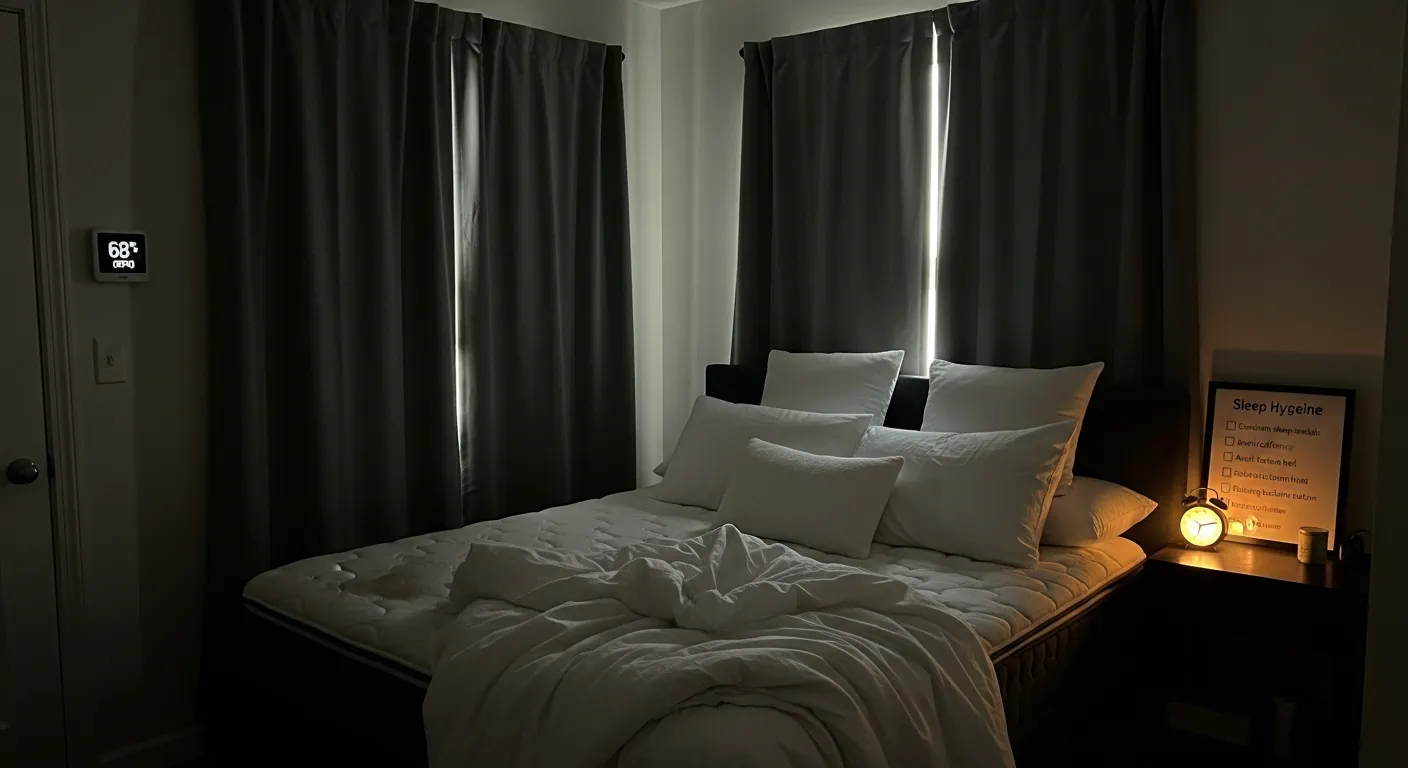
Your bedroom should be a sanctuary dedicated to sleep. A properly optimized sleep environment can dramatically enhance deep sleep and make it easier to drift into restorative stages.
- Temperature: Keep your bedroom cool, ideally between 60-67°F (15-19°C). A slightly cooler environment facilitates deeper sleep.
- Darkness: Eliminate all sources of light. Use blackout curtains or an eye mask. Even small amounts of light can disrupt melatonin production.
- Quiet: Minimize noise with earplugs, a white noise machine, or a fan.
- Air Quality: Ensure good ventilation. Consider an air purifier if you have allergies, as improved air quality can lead to less disturbed breathing and better sleep.
Nutritional Approaches and Supplements for Better Sleep
What you consume can profoundly impact your sleep architecture. Certain foods and supplements can support the body's natural sleep processes.
- Magnesium: Found in leafy greens, nuts, and seeds, magnesium can help relax muscles and calm the nervous system. A review from Nutrients in 2024 explored its role in improving sleep quality.
- Tryptophan-rich Foods: Turkey, chicken, eggs, and dairy products contain tryptophan, an amino acid precursor to serotonin and melatonin, both crucial for sleep regulation.
- Tart Cherry Juice: Some studies suggest that tart cherry juice can boost melatonin levels and improve sleep duration and quality.
- Avoid Stimulants: Limit caffeine and nicotine, especially in the afternoon and evening.
- Timing Meals: Avoid heavy meals close to bedtime, as digestion can interfere with sleep onset and quality.
Integrating Relaxation Techniques Before Bed
Incorporating relaxation techniques into your nightly routine is a fantastic way to prepare your mind and body for sleep, helping you to enhance deep sleep. These practices can reduce stress and anxiety, which are common barriers to restorative sleep.
- Mindfulness Meditation: Even 10-15 minutes of meditation can calm brain activity.
- Deep Breathing Exercises: Focus on slow, deep breaths to activate the parasympathetic nervous system, promoting relaxation.
- Progressive Muscle Relaxation: Tense and then relax different muscle groups throughout your body to release physical tension.
- Warm Bath or Shower: A warm bath 1-2 hours before bed can help lower your core body temperature afterward, signaling to your body that it's time for sleep.
- For more in-depth guidance, explore resources on relaxation techniques for sleep.
The Role of Physical Activity (Without Disrupting Sleep)
Regular physical activity is beneficial for sleep, but timing is key. Moderate exercise during the day can enhance deep sleep by increasing the body's need for recovery.
- Morning/Afternoon Exercise: Aim for exercise earlier in the day.
- Avoid Intense Evening Workouts: High-intensity exercise too close to bedtime can raise core body temperature and stimulate the nervous system, making it harder to fall asleep.
Minimizing Screen Time and Blue Light Exposure
Exposure to blue light emitted from electronic screens (smartphones, tablets, computers, TVs) can suppress melatonin production, making it harder to fall asleep and disrupting your sleep cycles.
- Digital Sunset: Implement a "digital sunset" 1-2 hours before bed, putting away all electronic devices.
- Blue Light Filters: If you must use screens, activate blue light filters on your devices or wear blue-light-blocking glasses.
- Ambient Light Awareness: Extend this principle to smart home devices or energy-efficient lighting that might emit blue spectrum light. Even subtle, ambient blue light from chargers or status indicators can be disruptive. This often overlooked aspect is crucial for sensitive sleepers.
Differentiating Your Approach: Advanced Tactics for Peak Cognitive Performance
Beyond the standard advice, integrating more personalized and cutting-edge strategies can truly help you optimize your REM cycle and stand out in your pursuit of superior sleep and cognitive gains.
Personalized Sleep Tracking and Biofeedback
Modern sleep trackers, whether wearables or under-mattress sensors, offer detailed insights into your sleep architecture, including the duration of your REM and deep sleep stages. Instead of just monitoring, use this data for biofeedback.
- Identify Patterns: Notice correlations between your daily habits (e.g., late-night meals, evening stress, exercise timing) and the quality of your deep and REM sleep.
- Iterate and Adjust: Use these insights to make targeted adjustments to your routine. For example, if your tracker consistently shows reduced deep sleep after a high-stress day, prioritize specific relaxation techniques on such days. This proactive, data-driven approach moves beyond generic advice.
The Link Between Gut Health and Sleep Architecture
Emerging research highlights the profound connection between the gut microbiome and sleep. The gut-brain axis influences the production of neurotransmitters like serotonin, which is a precursor to melatonin.
- Diverse Microbiome: A healthy and diverse gut microbiome is linked to improved sleep quality and duration, potentially impacting both deep and REM sleep.
- Probiotics & Prebiotics: Incorporate fermented foods (yogurt, kimchi, sauerkraut) and fiber-rich foods (fruits, vegetables, whole grains) to support a healthy gut. A report from the Journal of Clinical Sleep Medicine in early 2024 explored the therapeutic potential of gut interventions for sleep disorders.
- This cutting-edge understanding provides a unique avenue to optimize your REM cycle from within, offering a comprehensive physiological approach to sleep enhancement.
Frequently Asked Questions (FAQ) About REM and Deep Sleep
What is the ideal duration for REM sleep?
The ideal duration for REM sleep typically accounts for about 20-25% of your total sleep time. For an adult getting 7-9 hours of sleep, this would mean approximately 1.5 to 2.5 hours of REM sleep. However, this can vary slightly based on individual needs and age. Focusing on overall sleep quality and following good sleep hygiene practices is more important than striving for an exact REM duration.
Can caffeine affect my deep sleep and REM cycle?
Yes, caffeine can significantly impact both your deep sleep and REM cycle. As a stimulant, caffeine can increase sleep latency (how long it takes to fall asleep) and reduce total sleep time. More specifically, it tends to decrease the amount of deep sleep and can also fragment REM sleep, reducing its overall restorative quality. It's recommended to avoid caffeine at least 6-8 hours before bedtime.
How do I know if I'm getting enough deep sleep?
While sleep trackers can provide estimates, the best indicators of sufficient deep sleep are how you feel upon waking. If you wake up feeling refreshed, mentally clear, and energized, it's a good sign you're getting adequate deep sleep. Conversely, waking up groggy, feeling mentally foggy, or needing caffeine immediately might indicate a deficit in deep sleep. Paying attention to your daytime alertness is key.
Are there any specific foods that can help improve REM sleep?
While no single food is a magic bullet, a balanced diet rich in tryptophan, magnesium, and B vitamins can support the brain's ability to produce neurotransmitters essential for REM sleep. Foods like turkey, nuts, seeds, leafy greens, and whole grains are good choices. Additionally, avoiding highly processed foods, excessive sugar, and alcohol can prevent disruptions that negatively impact REM sleep architecture.
Take Control of Your Sleep and Cognitive Health
Mastering the art of sleep is a journey, not a destination. By actively implementing these strategies, you're not just aiming to optimize your REM cycle; you're investing in your long-term brain health and cognitive performance. From understanding your sleep architecture to leveraging personalized data and cutting-edge gut health insights, every step contributes to a more vibrant, alert, and capable you.
Start experimenting with these strategies tonight. Observe how small changes can lead to profound improvements in how you feel, think, and perform. Don't underestimate the power of truly restorative sleep.
What are your favorite sleep optimization tips? Share your experiences in the comments below!
Further Reading & Exploration:
- Crafting Your Personalized Sleep Routine: A Step-by-Step Guide
- The Science of Sleep and Aging: What You Need to Know
- Advanced Meditation Techniques for Deeper Sleep and Relaxation