Natural Insomnia Solutions: Achieve Peaceful Sleep Tonight
Natural Insomnia Solutions: Achieve Peaceful Sleep Tonight
Struggling with sleepless nights? You're not alone. Insomnia, the persistent difficulty in falling or staying asleep, affects millions worldwide. While pharmaceutical options exist, many seek natural insomnia solutions to reclaim their rest without unwanted side effects. This guide delves into evidence-based, holistic approaches to help you achieve peaceful sleep tonight, focusing on lifestyle adjustments, dietary changes, and mindful practices.
Key Points:
- Holistic Approach: Combine lifestyle, diet, and mental well-being for lasting sleep improvement.
- Sleep Hygiene: Establish consistent routines and optimize your sleep environment.
- Mindfulness & Relaxation: Techniques to calm a racing mind before bed.
- Nutritional Support: Foods and supplements that can promote better sleep.
- Understanding Circadian Rhythms: Aligning your body's natural sleep-wake cycle.
Understanding the Roots of Insomnia
Before diving into solutions, it’s helpful to understand why insomnia occurs. It's often a complex interplay of factors including stress, anxiety, poor sleep habits, and even underlying medical conditions. Identifying your personal triggers is the first step towards effective management. For instance, chronic stress can keep your nervous system in a heightened state, making it difficult to unwind. Similarly, irregular sleep schedules can disrupt your body's internal clock.
The Power of Sleep Hygiene for Natural Insomnia Solutions
Sleep hygiene refers to the practices and habits that are conducive to sleeping well on a regular basis. Implementing these can be one of the most powerful natural insomnia solutions. It’s about creating an environment and routine that signals to your body that it’s time to rest.
Optimizing Your Sleep Environment
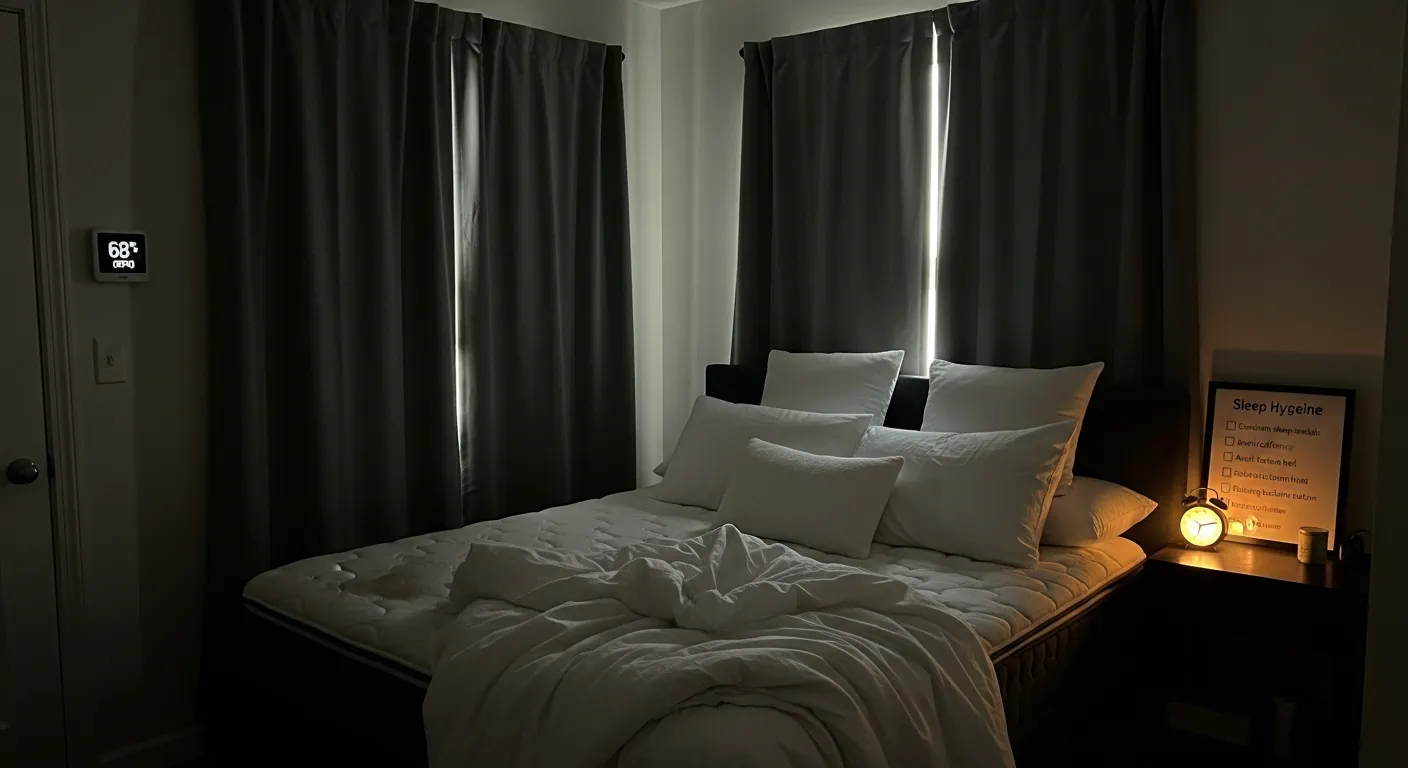
Your bedroom should be a sanctuary for sleep. Consider these elements:
- Darkness: Use blackout curtains or an eye mask to block out all light. Even small amounts of light can interfere with melatonin production.
- Quiet: Employ earplugs or a white noise machine if external sounds are disruptive. Consistent, low-level noise can mask sudden disturbances.
- Cool Temperature: Most people sleep best in a cooler room, typically between 60-67°F (15-19°C).
- Comfortable Bedding: Ensure your mattress and pillows are supportive and comfortable.
Establishing a Consistent Sleep Schedule
The human body thrives on routine. Going to bed and waking up at the same time each day, even on weekends, helps regulate your circadian rhythm, your body's natural sleep-wake cycle. This consistency is fundamental to any successful natural insomnia solution.
- Consistency is Key: Aim for 7-9 hours of sleep nightly.
- Avoid Napping: If you must nap, keep it short (20-30 minutes) and in the early afternoon.
Pre-Sleep Routine: Winding Down Effectively
The hour before bed is crucial. Avoid stimulating activities and instead, engage in relaxing rituals.
- Limit Screen Time: The blue light emitted from phones, tablets, and computers can suppress melatonin. Try to avoid screens for at least an hour before bed.
- Relaxing Activities: Read a physical book, take a warm bath, listen to calm music, or practice gentle stretching.
- Journaling: If your mind races with thoughts, write them down. This can help to declutter your mind and release anxieties.
Mindfulness and Relaxation Techniques
A restless mind is a common culprit behind insomnia. Mindfulness and relaxation techniques can help quiet this internal chatter, making it easier to drift off to sleep. These are vital components of natural insomnia solutions for mental peace.
Deep Breathing Exercises
Simple yet profound, deep breathing can activate the body's relaxation response.
- Diaphragmatic Breathing: Lie down and place one hand on your chest and the other on your belly. Inhale deeply through your nose, feeling your belly rise more than your chest. Exhale slowly through your mouth, feeling your belly fall. Repeat for several minutes.
Meditation and Guided Imagery
These practices train your mind to focus and let go of intrusive thoughts.
- Mindfulness Meditation: Focus on your breath or bodily sensations. When your mind wanders (and it will), gently guide your attention back to your focus.
- Guided Imagery: Imagine a peaceful and serene place. Engage all your senses in this visualization to promote deep relaxation.
Progressive Muscle Relaxation (PMR)
PMR involves systematically tensing and then releasing different muscle groups in your body. This can help you become more aware of physical tension and learn to release it.
- How to Practice: Start with your toes, tensing them for a few seconds, then releasing. Move up through your body, tensing and releasing each muscle group (calves, thighs, abdomen, arms, shoulders, face).
Nutritional Strategies for Better Sleep
What you eat and drink can significantly impact your sleep quality. Certain nutrients and foods can promote relaxation and sleep, while others can disrupt it. Incorporating these into your diet is a key part of natural insomnia solutions.
Foods That Promote Sleep
- Tryptophan-Rich Foods: Tryptophan is an amino acid that the body converts into serotonin and then melatonin, the sleep hormone. Good sources include turkey, chicken, milk, nuts, seeds, and oats.
- Magnesium-Rich Foods: Magnesium plays a role in regulating neurotransmitters involved in sleep. Foods like leafy greens, nuts, seeds, whole grains, and dark chocolate are good sources.
- Complex Carbohydrates: A small serving of complex carbohydrates (like whole-wheat crackers or a small bowl of oatmeal) before bed can help make tryptophan more available to the brain.
Foods and Drinks to Avoid
- Caffeine: Avoid caffeine in the afternoon and evening. It's a stimulant and can stay in your system for many hours.
- Alcohol: While alcohol might make you feel drowsy initially, it disrupts sleep later in the night, leading to fragmented sleep and reduced REM sleep.
- Heavy Meals: Eating large, heavy meals close to bedtime can cause indigestion and discomfort, hindering sleep.
- Sugary Foods: High sugar intake can lead to energy spikes and crashes, disrupting sleep patterns.
Herbal Teas and Supplements
Certain herbs have long been used for their calming and sleep-promoting properties.
- Chamomile Tea: Known for its calming effects.
- Valerian Root: Often used for insomnia and anxiety.
- Lavender: Aromatherapy with lavender can promote relaxation.
- Melatonin Supplements: Available over-the-counter, these can help reset your sleep-wake cycle, particularly for jet lag or shift work. Always consult a healthcare professional before starting any new supplement.
Exercise and Sleep: A Crucial Connection
Regular physical activity is excellent for sleep, but timing matters.
- Morning or Afternoon Exercise: Exercising earlier in the day can improve sleep quality. It helps reduce stress and promotes deeper sleep.
- Avoid Intense Evening Workouts: Strenuous exercise too close to bedtime can be stimulating and make it harder to fall asleep. Aim to finish vigorous workouts at least 2-3 hours before hitting the hay.
Differentiating Natural Insomnia Solutions
While many natural approaches overlap, some unique insights can further enhance your journey to better sleep. One area gaining traction is the understanding of light exposure.
The Impact of Light Exposure on Circadian Rhythms
- Morning Sunlight: Exposing yourself to bright natural light shortly after waking is crucial for setting your internal clock. This signals to your brain that it's daytime and helps regulate your sleep-wake cycle.
- Dimming Lights in the Evening: As evening approaches, gradually dimming indoor lights helps your body prepare for sleep by signaling the natural decrease in ambient light. Smart home technology can automate this process.
Another differentiated approach involves stress resilience training. Beyond simple relaxation, this focuses on building a robust capacity to manage life’s stressors without them spilling over into your sleep. Techniques like cognitive behavioral therapy for insomnia (CBT-I) often incorporate elements of stress management and reframing negative thought patterns around sleep. A recent study published in 2024 highlighted the effectiveness of incorporating mindfulness-based stress reduction (MBSR) specifically for individuals experiencing chronic insomnia.
Evidence-Based Insights and Authoritative Sources
Research continues to validate the efficacy of natural approaches. A comprehensive review published in the Journal of Sleep Research in 2025 emphasized the significant benefits of consistent sleep hygiene practices and the mindful integration of relaxation techniques for managing mild to moderate insomnia. Furthermore, a report from the National Sleep Foundation in 2023 highlighted the growing role of behavioral interventions, such as CBT-I, as first-line treatments, underscoring the power of lifestyle and mindset shifts over medication for many individuals.
Frequently Asked Questions about Natural Insomnia Solutions
Q1: How quickly can I expect to see results from natural insomnia solutions? A1: Results vary depending on the individual and the consistency of implementation. Some people notice improvements within a few days, while for others, it might take several weeks of consistent practice to experience significant changes in sleep quality.
Q2: Are there any side effects to natural insomnia remedies? A2: Generally, natural remedies have fewer and less severe side effects than pharmaceutical options. However, some herbal supplements can interact with medications, so consulting a healthcare provider is always recommended. Excessive relaxation techniques can also, in rare cases, lead to daytime grogginess if not balanced correctly.
Q3: Can I combine natural solutions with prescribed sleep medication? A3: It’s crucial to discuss any combination of treatments with your doctor. While many natural approaches can complement medication, some may interact. Your physician can advise on safe and effective integration strategies.
Q4: What if natural methods don't seem to work for me? A4: If you've consistently applied natural solutions for a prolonged period without improvement, it may indicate an underlying medical condition or more complex sleep disorder. It's essential to consult a healthcare professional for a thorough evaluation and to explore other treatment options.
Conclusion: Your Path to Restful Nights
Achieving peaceful sleep tonight is within reach through a commitment to natural insomnia solutions. By focusing on robust sleep hygiene, incorporating mindfulness and relaxation, optimizing your diet, and understanding the importance of light and exercise, you can create the ideal conditions for restorative rest. Remember that patience and consistency are key. Don't get discouraged if you don't see results immediately; each step you take towards a healthier sleep lifestyle builds a stronger foundation for better sleep.
Ready to transform your sleep? Start by choosing one or two of the strategies discussed today and commit to them for the next week. Share your experiences or any natural remedies that have worked for you in the comments below – your insights can help others on their sleep journey! For readers interested in the technology aspect of sleep, exploring articles on sleep trackers and their role in understanding personal sleep patterns might offer further valuable perspectives.
Expandable Topics for Future Updates:
- The role of gut health and the microbiome in sleep regulation.
- Advanced sleep tracking technologies and their impact on insomnia management.
- Exploring specific dietary plans and recipes designed to promote sleep.
- The connection between hormonal changes and sleep disturbances across the lifespan.