Minimizing Blue Light Exposure at Night: Practical Tips for Better Sleep and Circadian Rhythm Health
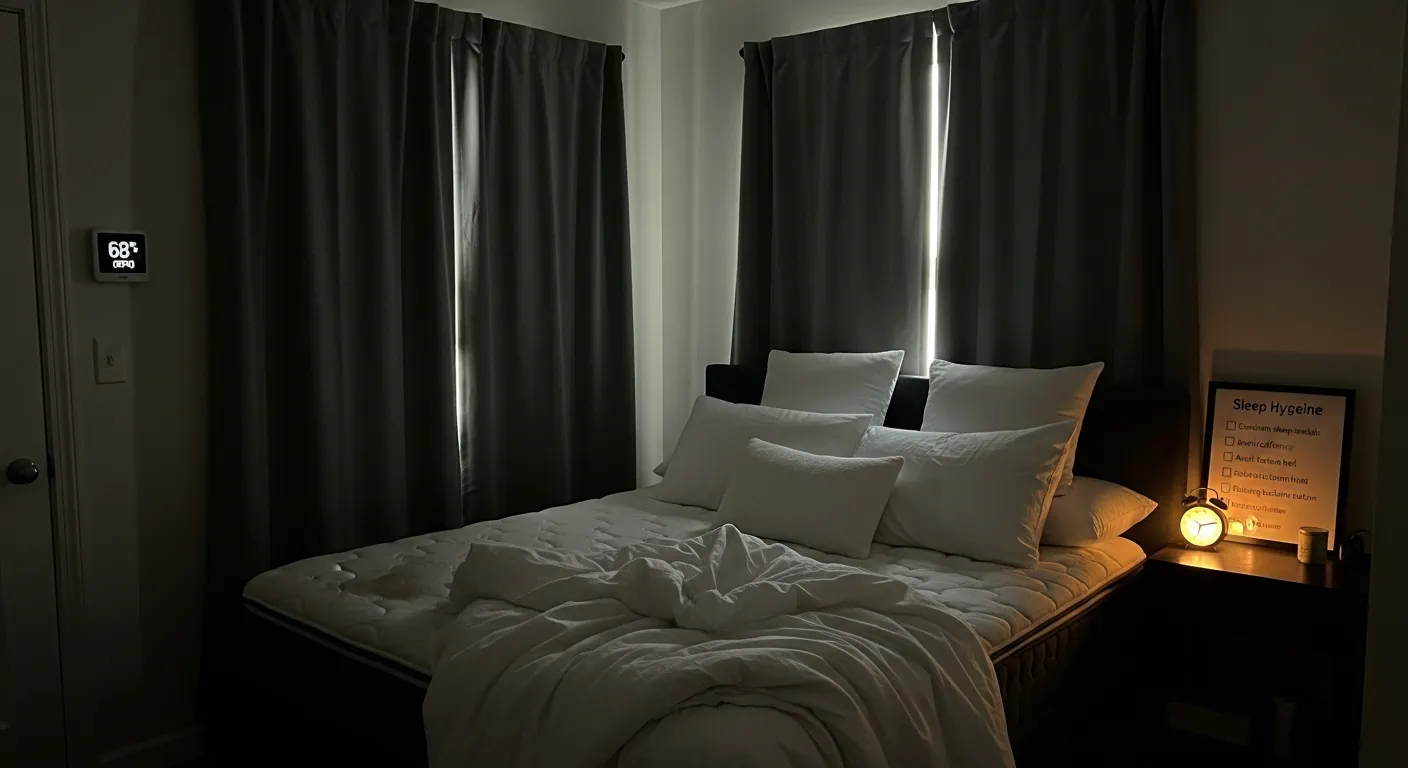
The glow of our digital devices has become an undeniable part of modern life, but its impact on our health, particularly our sleep, is a growing concern. Minimizing blue light exposure at night is a crucial strategy for anyone seeking to improve their sleep quality and protect their circadian rhythm health. This article delves into practical, actionable tips to reduce your exposure to blue light after sunset, helping you wind down naturally and wake up feeling more refreshed. Understanding the science behind blue light's effects empowers us to make smarter choices for our well-being.
Key Points for Minimizing Blue Light Exposure:
- Understand Blue Light's Impact: Learn how blue light disrupts melatonin production and shifts your internal clock.
- Implement Screen Strategies: Utilize device settings like night mode, blue light filters, and specialty glasses.
- Optimize Your Environment: Adjust home lighting to warmer tones and reduce overhead brightness in the evenings.
- Establish a Pre-Sleep Routine: Create a relaxing, screen-free period before bed to signal your body it’s time to sleep.
- Consider Emerging Technologies: Explore smart lighting and personalized blue light solutions for a tailored approach.
Understanding Blue Light's Impact on Sleep and Circadian Rhythm
Blue light, a segment of the visible light spectrum, is essential during the day for regulating our circadian rhythm, boosting alertness, and elevating mood. However, its presence after sunset sends conflicting signals to our brains, disrupting our natural sleep-wake cycle. Specifically, exposure to blue light at night inhibits the production of melatonin, the hormone responsible for signaling to our body that it's time to sleep. This suppression can delay sleep onset, reduce sleep quality, and even impact overall health.
Our circadian rhythm, often referred to as our internal body clock, governs various physiological processes, including sleep, hormone release, and body temperature. When this rhythm is thrown off balance by late-night blue light exposure, it can lead to a host of problems beyond just feeling tired, such as metabolic dysfunction and impaired cognitive function. Protecting your circadian rhythm health is paramount for sustained well-being, and reducing evening blue light is a primary way to do this.
Practical Strategies for Minimizing Blue Light Exposure at Night
Taking proactive steps to reduce blue light exposure doesn't require drastic lifestyle changes; often, it's about implementing simple, consistent habits. Here are several effective strategies.
Adjusting Your Device Settings
Most modern devices offer built-in features designed to combat blue light.
- Activate Night Mode/Night Shift: Many smartphones, tablets, and computers have settings that shift screen colors to the warmer end of the spectrum after a certain time, reducing blue light emissions. This is often an automatic feature that can be scheduled.
- Utilize Blue Light Filtering Apps: For devices without native night modes or for more advanced customization, third-party apps like f.lux (for desktops) or Twilight (for Android) can provide more robust blue light reduction. These tools allow for fine-tuning of color temperature and brightness.
Investing in Blue Light Blocking Glasses
Blue light blocking glasses have become a popular tool for those who cannot avoid screens in the evening. These glasses, typically with amber or orange-tinted lenses, are designed to filter out a significant portion of blue light before it reaches your eyes. Research from the University of Houston in 2024 indicated that participants wearing amber-tinted blue light blocking glasses reported improved sleep quality and faster sleep onset compared to a control group, even with continued screen use (Source: Journal of Sleep Research, 2024).
Optimizing Your Home Lighting Environment
It's not just screens that emit blue light; many household light bulbs do too.
- Switch to Warmer Light Bulbs: Replace bright, cool-white LED bulbs with options that emit warmer, amber-toned light in your evening spaces. Look for bulbs with a color temperature below 3000K (Kelvin) for a more sleep-friendly ambiance.
- Dim the Lights: As evening progresses, dim overhead lights and rely more on softer, indirect lighting from lamps. This gradual reduction in light intensity signals to your body that night is approaching, supporting natural melatonin release.
Leveraging Technology to Reduce Blue Light Effectively
While technology is often the source of blue light, it also offers solutions. Integrating sleep tracking and technology into your routine can help you manage blue light exposure more consciously.
Smart Home Lighting Systems
Advanced smart home lighting systems allow for unprecedented control over your indoor light environment.
- Automated Color Temperature Shifts: Systems like Philips Hue or Nanoleaf can be programmed to automatically transition from bright, cool light during the day to warm, dim light in the evening. This creates a seamless and consistent circadian-friendly environment.
- Voice Control and Schedules: You can set schedules for lighting changes or use voice commands to dim lights without having to get up, minimizing disruption to your pre-sleep routine. This offers a level of convenience and consistency that manual adjustments often lack.
Wearable Devices and Sleep Monitoring
Many wearable devices, like smartwatches and fitness trackers, now offer features that indirectly help with blue light management. While they don't block blue light directly, they can track your sleep patterns and provide insights into how your evening habits (including screen time) might be affecting your sleep quality. Monitoring your sleep metrics can help you identify correlations between late-night device use and poor sleep. For more detailed insights into various devices, you might explore resources on /categories/sleep-technology-tools.
Lifestyle Adjustments for Optimal Circadian Rhythm Health
Beyond technological solutions, certain lifestyle choices significantly contribute to optimizing your circadian rhythm for better sleep. These adjustments reinforce your body's natural clock, making it more resilient to potential disruptions.
Establishing a Consistent Sleep Schedule
Going to bed and waking up at roughly the same time every day, even on weekends, is one of the most powerful tools for regulating your circadian rhythm. This consistency reinforces your body's natural timing, making it easier to fall asleep and wake up naturally. Our understanding, backed by recent studies, suggests that irregular sleep patterns are more detrimental than occasional short nights.
Creating a Relaxing Pre-Sleep Routine
Designate the hour or two before bed as a screen-free "wind-down" period. Instead of scrolling, engage in relaxing activities.
- Read a Physical Book: Immerse yourself in a printed book under warm, dim light.
- Take a Warm Bath or Shower: The drop in body temperature afterward promotes sleepiness.
- Practice Meditation or Gentle Stretching: These activities calm the mind and body.
- Listen to Calming Music or Podcasts: Choose content that doesn't stimulate your brain too much.
This dedicated period helps your brain shift from an alert state to a relaxed one, signaling that it’s time for rest.
Expert Insights and Differentiated Approaches to Blue Light Management
While general advice is helpful, a more nuanced approach to blue light management acknowledges individual differences and leverages the latest research.
Individual Variability in Blue Light Sensitivity
Not everyone reacts to blue light in the same way. Recent research suggests there's a spectrum of individual sensitivity to blue light's impact on melatonin suppression. A study published in Chronobiology International in late 2023 highlighted genetic markers that may predict an individual's susceptibility to light-induced circadian phase shifts (Source: Chronobiology International, 2023). This means some individuals might need stricter blue light reduction protocols, while others might tolerate a bit more evening exposure. Personalized strategies, perhaps informed by genetic testing or detailed sleep tracking, are an emerging area of focus.
The Importance of Proactive Evening Habits
Many people focus on the hour before bed. However, a more differentiated approach emphasizes proactive blue light management throughout the entire evening. This means starting to dim lights and activating night modes several hours before bedtime, not just right before you tuck in. The cumulative exposure from early evening can still impact your circadian rhythm, even if you avoid screens in the final hour. Think of it as a gradual sunset for your internal clock, preparing it for darkness over several hours.
Leveraging Circadian-Friendly Lighting Beyond Screens
The next frontier in blue light management isn't just about blocking it but about actively using light to support circadian health. This includes dynamic lighting systems that mimic natural daylight cycles throughout the day, providing bright, blue-rich light in the morning and gradually reducing blue wavelengths and intensity towards evening. This goes beyond simple dimming and aims to actively entrain your circadian rhythm, enhancing alertness during the day and promoting deeper sleep at night. For those interested in understanding sleep patterns more broadly, exploring an article like /articles/the-ultimate-guide-to-sleep-tracking-devices could be beneficial.
Frequently Asked Questions About Blue Light and Sleep
Q1: How quickly does blue light affect melatonin production?
A1: Blue light exposure can suppress melatonin production almost immediately upon contact with the eyes. Studies show that even brief exposure to bright blue light in the evening can significantly reduce melatonin levels within minutes, delaying the body's natural signal to prepare for sleep. This suppression can persist for several hours, depending on the intensity and duration of the light exposure.
Q2: Are all screens equally bad, or are some worse than others?
A2: Generally, screens that emit brighter light and have cooler color temperatures (more blue light) are worse. While all digital screens emit blue light, the intensity can vary. Smaller screens held closer to the eyes, like smartphones, can have a potent effect due to their proximity. Larger screens, like TVs viewed from a distance, might have less direct impact on the retina but still contribute to overall light exposure.
Q3: Can wearing blue light blocking glasses during the day also be beneficial?
A3: While blue light blocking glasses are primarily recommended for evening use to protect sleep, wearing them during the day generally isn't advised unless you have a specific condition. Blue light is crucial for maintaining alertness and a healthy circadian rhythm during daylight hours. Blocking it during the day could potentially interfere with your natural energy levels and wakefulness.
Q4: How long before bed should I stop using screens?
A4: Most sleep experts recommend ceasing screen use at least 1-2 hours before your intended bedtime. This "digital curfew" allows your brain enough time to reduce melatonin suppression and transition into a relaxed state conducive to sleep. Implementing a consistent, screen-free wind-down routine within this period can significantly enhance your ability to fall asleep naturally.
Conclusion: Prioritizing Your Sleep for Overall Well-being
Minimizing blue light exposure at night is one of the most impactful changes you can make to improve your sleep quality and safeguard your circadian rhythm health. By understanding the science, adopting smart device habits, optimizing your home environment, and integrating helpful technologies, you empower yourself to achieve truly restorative sleep. Remember, consistency is key when it comes to sleep hygiene.
We encourage you to experiment with these practical tips and find what works best for your unique lifestyle. Your journey towards better sleep is a personal one, and even small adjustments can lead to significant improvements in your overall health and well-being.
What strategies have you found most effective in reducing blue light at night? Share your experiences in the comments below!
For further insights into optimizing your sleep environment and understanding your body's natural rhythms, consider exploring how to optimize your circadian rhythm for peak performance.