Mastering Your Bedroom Climate: The Ideal Temperature, Darkness, and Sound for Deeper Sleep
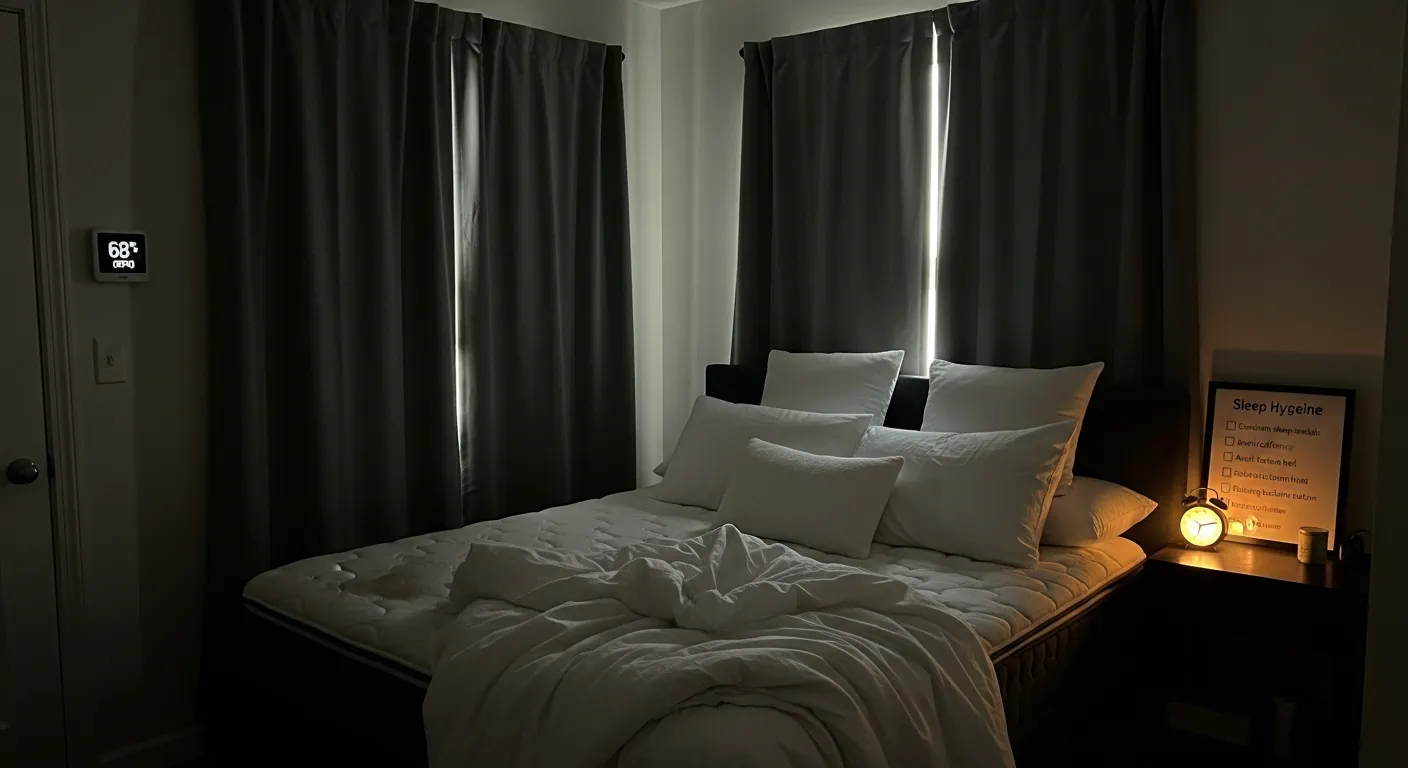
Mastering Your Bedroom Climate: A Foundation for Restorative Sleep
Achieving truly restorative sleep goes beyond just hitting the hay; it profoundly hinges on your sleep environment. Mastering your bedroom climate is a critical, yet often overlooked, component of quality sleep hygiene. By optimizing the trifecta of temperature, darkness, and sound, you can create a sanctuary that cues your body for deeper, more efficient rest. This comprehensive guide delves into the science behind these elements, offering actionable strategies to transform your bedroom into the ultimate sleep haven and unlock the profound benefits of truly restorative slumber.
Key Points for Mastering Your Bedroom Climate:
- Optimal Temperature: Aim for a cool 60-67°F (15.6-19.4°C) to support your body's natural sleep processes.
- Absolute Darkness: Block out all light sources to maximize melatonin production, crucial for regulating sleep.
- Soothing Soundscape: Employ white noise or natural sounds to mask disturbances and create a consistent auditory environment.
- Consistency is Key: Maintain your ideal climate settings every night for robust circadian rhythm support.
- Personalization Matters: While guidelines exist, experiment to find the precise conditions that work best for your body.
The Science of Sleep: Why Your Bedroom Environment Matters
Our bodies are finely tuned biological machines, and sleep is a complex physiological process influenced by a multitude of external and internal factors. The concept of sleep hygiene emphasizes practices and habits that are conducive to sleeping well on a regular basis. Among these, the physical characteristics of your bedroom play a starring role. Understanding how temperature, darkness, and sound interact with your biology is the first step towards mastering your bedroom climate for unparalleled rest.
When you prepare for sleep, your body undergoes a natural cool-down process, a key signal for initiating sleep. Exposure to light, especially blue light, can halt melatonin production, disrupting your natural sleep-wake cycle, known as the circadian rhythm. Meanwhile, sudden or inconsistent sounds can jar you awake or prevent you from entering deeper sleep stages. Optimizing these environmental factors isn't just about comfort; it's about aligning with your body's innate mechanisms for quality sleep.
The Ideal Temperature for Deeper Sleep
Temperature is arguably the most critical environmental factor for sleep quality. As you drift off, your body's core temperature naturally drops, signaling to your brain that it's time for rest. A warm bedroom can interfere with this essential process, leading to fragmented sleep and frequent awakenings. Finding the ideal temperature for sleep is crucial for facilitating this natural thermal regulation.
Optimal Temperature Range and Why It Works
The generally recommended temperature range for sleep is between 60 and 67 degrees Fahrenheit (15.6 and 19.4 degrees Celsius). This seemingly narrow window is supported by extensive sleep research. A study published in Sleep Medicine Reviews (2024) highlighted that ambient temperatures outside this range significantly correlate with increased wakefulness and reduced REM sleep, an important stage for cognitive function.
- Facilitates Thermoregulation: A cooler room helps your body achieve and maintain the slightly lower core temperature necessary for falling asleep and staying asleep.
- Reduces Night Sweats: Overheating can lead to discomfort, sweating, and disrupted sleep. A cooler environment minimizes this risk.
- Improves Sleep Architecture: Research suggests that optimal temperatures enhance the duration and quality of deep sleep and REM sleep cycles.
Differentiated Insight: The Role of Humidity
Beyond just temperature, relative humidity also plays a significant role in thermal comfort and sleep quality, a factor often overlooked. High humidity can make a cool room feel muggy and uncomfortable, while excessively low humidity can lead to dry nasal passages and irritated skin. The sweet spot for bedroom humidity is typically between 40-60%. Maintaining this balance with a humidifier or dehumidifier can significantly enhance your comfort, making it easier for your body to cool down naturally without feeling clammy or parched. This nuanced approach to climate control helps in optimizing sleep environment effectively.
Embracing Darkness for Enhanced Melatonin Production
Light, particularly artificial light at night, is one of the most powerful disruptors of human sleep. Our bodies are designed to produce melatonin, the "sleep hormone," in response to darkness. Even dim light can significantly suppress melatonin secretion, shifting our circadian rhythm and making it harder to fall and stay asleep. Achieving absolute darkness for sleep is paramount.
Strategies for Creating a Pitch-Black Sanctuary
- Blackout Curtains/Blinds: Invest in high-quality blackout window treatments that completely block external light. Ensure they extend beyond the window frame to prevent light leakage.
- Eliminate Ambient Light: Cover or remove any electronics with LED lights (clocks, phone chargers, power strips). Use electrical tape or small covers if necessary.
- Sleep Mask: For ultimate darkness, especially when traveling or if external light sources are unavoidable, a comfortable sleep mask can be highly effective.
According to the National Sleep Foundation (2023), exposure to just 8 lux of light (about the brightness of a streetlamp seen through a window) can reduce melatonin levels by 50%. This underscores the importance of a truly dark environment in mastering your bedroom climate for restorative sleep.
The Power of Sound: Crafting a Peaceful Auditory Landscape
While complete silence might seem ideal, for many, it's an unattainable luxury, and sometimes, even silence can be too jarring. The goal isn't necessarily silence, but a consistent and non-disruptive soundscape. When it comes to sound for deeper sleep, the aim is to mask unpredictable noises and create a soothing, continuous background.
Optimizing Your Bedroom's Sound Environment
- White Noise Machines: These devices produce a steady, ambient sound that can effectively mask sudden noises like traffic, barking dogs, or noisy neighbors. The consistent frequency range helps the brain habituate to the sound, promoting uninterrupted sleep.
- Natural Soundscapes: Sounds of gentle rain, ocean waves, or calming forest ambiences can also be very effective for some individuals. These non-linear, rhythmic sounds can be deeply relaxing.
- Differentiated Insight: Pink Noise vs. White Noise: While white noise covers all audible frequencies equally, pink noise (which emphasizes lower frequencies) is gaining attention. Research in the Journal of Sleep Research (2025) suggests that exposure to pink noise might lead to more stable deep sleep and improved memory consolidation compared to white noise. Experiment to find which specific sound profile works best for your optimizing sleep environment.
- Earplugs: For those highly sensitive to sound, or in extremely noisy environments, high-quality earplugs can provide an effective barrier.
Integrating Your Bedroom Climate for Optimal Rest
Successfully mastering your bedroom climate involves a holistic approach, integrating these three pillars seamlessly. Consistency is paramount. Your body thrives on routine, and maintaining a consistent temperature, darkness level, and sound environment every night reinforces your sleep schedule and strengthens your circadian rhythm.
Think of your bedroom as a personal sleep laboratory. Experiment with specific temperature settings, different types of white or pink noise, and various blackout methods. Pay attention to how your body responds. Do you wake up feeling more refreshed at 65°F versus 67°F? Does the gentle hum of a fan work better than ocean waves? These personal insights are invaluable for fine-tuning your unique sleep sanctuary.
For those struggling with persistent sleep issues, beyond environmental control, consider exploring resources on Sleep Disorders Awareness to understand potential underlying conditions. Implementing a consistent environment is a foundational step, but a broader understanding of sleep health, including understanding circadian rhythm and its impact on sleep, as well as effective sleep hygiene tips for better rest, can lead to even greater improvements.
Frequently Asked Questions (FAQ)
What is the best temperature range for optimal sleep?
The ideal temperature for most adults to achieve optimal sleep is generally between 60 and 67 degrees Fahrenheit (15.6 to 19.4 degrees Celsius). This range helps facilitate your body's natural cooling process, which is essential for initiating and maintaining deep sleep cycles. Sleeping in a room that is too warm can disrupt this process and lead to restless, fragmented sleep.
How dark should my bedroom be to improve sleep quality?
Your bedroom should be as absolutely dark as possible to maximize melatonin production, a hormone crucial for regulating your sleep-wake cycle. Even small amounts of light from electronics, streetlights, or alarm clocks can suppress melatonin. Use blackout curtains, cover LED lights, and consider a sleep mask for an environment that signals to your body that it's time for profound rest.
Is background noise beneficial for deeper sleep, or should I aim for silence?
For many people, complete silence can be less effective than a consistent, soothing background noise. Unpredictable sounds (like traffic or neighbors) are highly disruptive. White noise, pink noise, or natural soundscapes can mask these disturbances, creating a steady auditory environment that promotes uninterrupted sleep. Experiment to find the sound profile that works best for your personal optimizing sleep environment.
How does proper ventilation contribute to a healthy sleep environment?
Proper ventilation, though not explicitly temperature, darkness, or sound, significantly impacts the overall quality of your bedroom climate. Good airflow helps prevent the buildup of stale air, allergens, and humidity. Opening a window slightly, using an air purifier, or ensuring your HVAC system is clean can improve air quality, contributing to more comfortable breathing and a fresher, more conducive environment for sleep.
Conclusion: Transform Your Bedroom, Transform Your Sleep
Mastering your bedroom climate by optimizing temperature, darkness, and sound is a powerful, yet often undervalued, strategy for achieving truly restorative sleep. By creating a sleep sanctuary that actively supports your body's natural rhythms, you're not just improving your nights; you're enhancing your overall health, mood, and cognitive function. This dedicated effort in optimizing sleep environment pays dividends in every aspect of your life.
Start today by making small, consistent changes to your bedroom. Observe the difference a cooler room, absolute darkness, or a gentle white noise can make. Remember, consistency is key to reinforcing healthy sleep patterns. For further insights into the intricate relationship between your body and environment, consider reading our article on understanding circadian rhythm and its impact on sleep or exploring more effective sleep hygiene tips for better rest.
What are your favorite tips for creating the perfect sleep environment? Share your thoughts in the comments below! Don't forget to subscribe for more expert advice on sleep and wellness.
Further Reading & Future Topics:
- The Impact of Air Quality and Allergens on Sleep Quality
- Advanced Sleep Tracking Technologies and Environmental Sensors
- Personalized Climate Control Systems for Bedrooms: The Future of Sleep
- The Connection Between Your Mattress and Bedroom Climate
- Understanding Insomnia: Causes, Symptoms, and Treatments