Mastering Sleep Quality: A Comprehensive Guide for Improved Well-being
Mastering Sleep Quality: A Comprehensive Guide for Improved Well-being
Achieving optimal sleep quality is a cornerstone of overall well-being. In today's fast-paced world, many struggle with insufficient or disrupted sleep, impacting everything from cognitive function and mood to physical health and productivity. This comprehensive guide delves into the science and practical strategies to help you master your sleep quality, transforming your nights and, consequently, your days. We will explore the fundamental pillars of good sleep hygiene, the role of technology in understanding your sleep patterns, and actionable steps to create an environment conducive to deep, restorative rest.
Key Points:
- Understand Your Sleep Cycles: Learn to recognize the stages of sleep and what constitutes a healthy pattern.
- Optimize Your Sleep Environment: Discover how light, sound, temperature, and comfort significantly affect sleep quality.
- Develop Consistent Sleep Habits: Implement routines that signal your body it's time to rest and wake.
- Leverage Sleep Technology: Utilize modern tools to track, analyze, and improve your sleep.
- Address Common Sleep Disruptors: Identify and mitigate factors that hinder restful sleep.
Understanding the Pillars of Quality Sleep
Before diving into advanced techniques, it's crucial to understand the fundamental elements that contribute to mastering sleep quality. These aren't just about the hours you spend in bed, but the depth and restorative nature of that sleep.
The Science of Sleep Cycles
Sleep is not a passive state; it's a dynamic process involving distinct cycles, each serving vital functions. These cycles, repeating roughly every 90-110 minutes throughout the night, consist of two main types: Non-Rapid Eye Movement (NREM) sleep and Rapid Eye Movement (REM) sleep.
- NREM Sleep: This stage is further divided into three substages.
- N1 (Light Sleep): The transition from wakefulness to sleep. You may drift in and out and be easily awakened.
- N2 (Deeper Sleep): Heart rate and body temperature decrease. This stage makes up about half of our total sleep time.
- N3 (Deep Sleep or Slow-Wave Sleep): This is the most restorative stage. The body repairs tissues, builds bone and muscle, and strengthens the immune system. This is crucial for feeling refreshed.
- REM Sleep: Characterized by rapid eye movements, increased brain activity, and temporary muscle paralysis. Dreams often occur during this stage. REM sleep is vital for cognitive functions like memory consolidation, learning, and emotional processing.
A healthy night's sleep typically involves a balance of these stages, with deep sleep and REM sleep being particularly important for feeling truly rested. For instance, a study published in Nature Medicine in 2024 highlighted the significant impact of sufficient deep sleep on neurochemical restoration, underscoring its role in cognitive clarity.
The Importance of Sleep Duration vs. Quality
While the commonly recommended 7-9 hours of sleep is a good guideline, focusing solely on duration can be misleading. Two individuals might sleep for eight hours, but one could wake up feeling revitalized, while the other remains groggy. This difference often boils down to sleep quality. High-quality sleep involves spending adequate time in deep and REM sleep stages and minimizing awakenings. Poor quality sleep, even if long in duration, can leave you feeling fatigued and affect your mood and concentration.
Optimizing Your Sleep Environment for Deep Rest
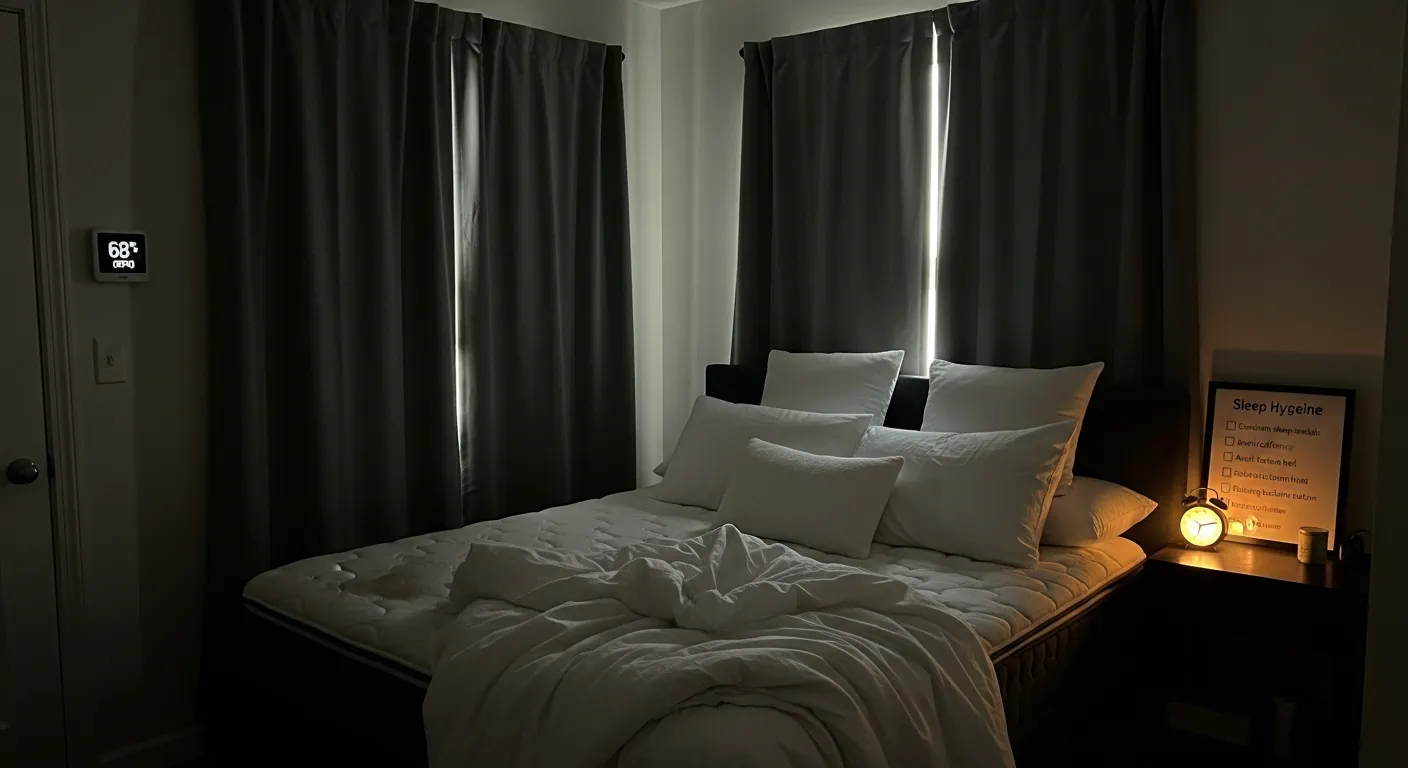
Your bedroom environment plays a profound role in your ability to fall asleep and stay asleep. Creating a sanctuary for sleep can significantly enhance your quality of rest.
The Impact of Light, Temperature, and Sound
- Light: Exposure to light, especially blue light emitted from electronic devices, suppresses melatonin production, a hormone essential for sleep. Darkness signals your brain that it's time to sleep. Aim for a completely dark room, using blackout curtains if necessary. Even small amounts of light can disrupt your circadian rhythm.
- Temperature: The ideal sleep temperature for most adults is between 60-67°F (15-19°C). A slightly cooler room helps your body temperature drop, which is a natural cue for sleep. Overheating or being too cold can lead to restlessness and frequent awakenings.
- Sound: While some people prefer complete silence, others benefit from white noise or ambient sounds. Loud or sudden noises can disrupt sleep stages. Using earplugs or a white noise machine can create a consistent and soothing auditory environment. A 2023 report in the Journal of Sleep Research indicated that consistent, low-level background noise can mask disruptive sounds and improve sleep continuity for some individuals.
Creating a Comfortable Bedding System
Your mattress, pillows, and bedding materials can significantly impact your comfort and sleep quality.
- Mattress: Choose a mattress that provides adequate support and comfort for your sleeping position. Different firmness levels cater to various needs.
- Pillows: Select pillows that align your head and neck properly to prevent strain and discomfort.
- Bedding: Opt for breathable, natural fabrics like cotton or linen, which help regulate body temperature. Consider weighted blankets, which have been shown to reduce anxiety and promote relaxation by applying gentle pressure.
Developing Effective Sleep Hygiene and Routines
Consistent habits are the bedrock of mastering sleep quality. Establishing a predictable sleep-wake schedule and winding down properly can train your body for optimal rest.
The Power of a Consistent Sleep Schedule
Going to bed and waking up around the same time every day, even on weekends, is one of the most effective ways to regulate your body's internal clock, or circadian rhythm. This consistency helps your body anticipate sleep and wakefulness, leading to easier sleep onset and more refreshing mornings. Even a slight shift can disrupt this rhythm.
The Wind-Down Routine
A relaxing pre-sleep routine signals to your body that it's time to transition from the day's activities to rest. This routine should ideally start 60-90 minutes before bedtime and can include:
- Limiting Screen Time: Avoid phones, tablets, and computers at least an hour before bed.
- Engaging in Relaxing Activities: Read a physical book, take a warm bath, listen to calming music, or practice gentle stretching or meditation.
- Journaling: Writing down thoughts or worries can help clear your mind before sleep.
- Avoiding Stimulants: Refrain from caffeine and nicotine in the hours leading up to bedtime. Also, limit alcohol, as it can disrupt sleep later in the night.
Diet and Exercise Considerations
- Diet: Avoid heavy meals close to bedtime. A light, healthy snack is acceptable if you're hungry. Stay hydrated, but avoid excessive fluid intake right before bed to minimize nighttime bathroom trips.
- Exercise: Regular physical activity can improve sleep quality, but avoid intense workouts close to bedtime. Aim to finish your exercise at least 2-3 hours before you plan to sleep.
Leveraging Sleep Technology for Deeper Insights
Modern technology offers powerful tools to track, analyze, and ultimately improve your sleep quality. Understanding your unique sleep patterns is the first step toward making targeted improvements.
Sleep Trackers: Wearables and Apps
Wearable devices like smartwatches and fitness trackers, along with dedicated sleep tracking apps, can monitor various sleep metrics. These often include:
- Sleep Duration: Total time spent asleep.
- Time in Sleep Stages: Estimating the amount of light, deep, and REM sleep.
- Awakenings: How often and for how long you wake up.
- Heart Rate and Variability: Indicators of physiological stress and recovery during sleep.
- Movement: Tracking restlessness.
While these devices are not clinical-grade sleep diagnostic tools, they provide valuable personal data to identify trends and areas for improvement. For example, if your tracker consistently shows very little deep sleep, you might focus on optimizing your bedroom environment or stress management techniques. A 2025 review in the Digital Health Journal found that individuals who regularly used sleep trackers reported a higher awareness of their sleep habits and were more motivated to make lifestyle changes.
Smart Beds and Environmental Monitors
Beyond wearables, innovative sleep technology includes smart mattresses that adjust firmness or temperature, and environmental monitors that track room conditions like humidity and CO2 levels. These can offer a more holistic view of your sleep environment and its impact.
Interpreting Your Data
It's crucial to interpret sleep tracking data with a balanced perspective. Focus on long-term trends rather than obsessing over nightly fluctuations. Use the data as a guide to experiment with different sleep strategies and observe their effects. For more in-depth analysis or if you suspect a sleep disorder, consulting a sleep specialist remains essential.
Addressing Common Sleep Disruptors
Even with the best intentions and optimized environments, several factors can sabotage your efforts to master sleep quality. Identifying and mitigating these disruptors is key.
Stress and Anxiety Management
- Impact: Stress and anxiety are major culprits behind sleepless nights. Racing thoughts and a heightened state of alertness make it difficult to relax and fall asleep.
- Solutions: Incorporate stress-reducing activities into your day, such as mindfulness meditation, deep breathing exercises, yoga, or spending time in nature. Consider cognitive behavioral therapy for insomnia (CBT-I) for persistent issues.
Caffeine and Alcohol Consumption
- Caffeine: Its stimulating effects can linger for hours, interfering with sleep onset.
- Alcohol: While it might make you feel drowsy initially, alcohol disrupts sleep architecture, leading to more fragmented sleep and reduced REM sleep later in the night.
- Solutions: Limit caffeine intake to the morning and avoid it altogether in the afternoon and evening. Moderate or eliminate alcohol, especially close to bedtime.
Poor Sleep Posture and Discomfort
- Impact: An uncomfortable sleeping position or pain can lead to tossing and turning, frequent awakenings, and a lack of restorative sleep.
- Solutions: Experiment with different pillow heights and mattress firmness. Consider supportive pillows for your back or between your knees if you sleep on your side. If chronic pain is an issue, consult a healthcare professional.
Late-Night Eating and Hydration
- Impact: Eating large meals or drinking excessive fluids close to bedtime can cause indigestion, heartburn, or the need to urinate, disrupting sleep.
- Solutions: Aim to finish your last substantial meal 2-3 hours before bed. If you need a snack, choose something light and easily digestible. Limit fluid intake in the hour or two before sleep.
Differentiated Value: The Gut-Brain Axis and Sleep
A less commonly discussed but increasingly significant factor in sleep quality is the gut-brain axis. The trillions of microorganisms in your gut (your microbiome) communicate with your brain and can profoundly influence sleep.
- Unique Insight: Research from institutions like the Scripps Research Institute (as of their 2024 publications) indicates that disruptions in gut bacteria can affect the production of neurotransmitters like serotonin, which is a precursor to melatonin. An imbalanced gut microbiome has been linked to insomnia and poorer sleep quality.
- Actionable Tip: Incorporating probiotic-rich foods (yogurt, kimchi, sauerkraut) and prebiotic fibers (garlic, onions, bananas) into your diet can support a healthy gut microbiome, potentially leading to better sleep. Furthermore, exploring the connection between specific sleep issues and gut health might reveal personalized solutions not typically found in generic sleep advice.
Frequently Asked Questions (FAQ)
Q1: How long does it take to see improvements in sleep quality after implementing changes? A1: It varies per individual, but many people begin noticing positive changes within a few weeks of consistently applying new sleep hygiene practices and optimizing their environment. Be patient and persistent with your efforts.
Q2: Are naps good or bad for sleep quality? A2: Short power naps (20-30 minutes) can be beneficial for alertness. However, long or late-afternoon naps can interfere with nighttime sleep, making it harder to fall asleep and reducing sleep quality.
Q3: Can stress management techniques really improve my sleep? A3: Absolutely. Stress and anxiety are major sleep disruptors. Techniques like mindfulness, deep breathing, and meditation help calm the nervous system, making it easier to relax and transition into sleep, thereby improving overall quality.
Q4: How do I know if I have a sleep disorder like sleep apnea? A4: If you experience loud snoring, pauses in breathing, excessive daytime sleepiness, or morning headaches, you might have sleep apnea. It's crucial to consult a sleep specialist for proper diagnosis and treatment.
Conclusion: Your Journey to Better Sleep
Mastering sleep quality is an ongoing journey, not a destination. By understanding the science behind sleep, optimizing your environment, establishing consistent routines, and leveraging technology wisely, you can significantly enhance your rest. Remember that personalized approaches are often the most effective. Pay attention to your body, experiment with different strategies, and don't hesitate to seek professional guidance when needed.
What steps will you take today to improve your sleep quality? Share your thoughts and experiences in the comments below!
For further exploration into related topics that can impact your well-being, consider reading articles on stress management techniques and the benefits of a balanced diet for overall health.
Note on Timeliness and Updates: The information presented here reflects current understanding in sleep science and technology as of late 2025. The field of sleep research is constantly evolving. It is recommended to revisit this guide for updates regarding new discoveries and technological advancements, potentially every 1-2 years.
Expandable Subtopics for Future Updates:
- The role of chronotypes (e.g., "larks" and "owls") in personalized sleep scheduling.
- Advanced applications of wearable technology for diagnosing and managing specific sleep disorders.
- The impact of light therapy and advanced sleep aids on circadian rhythm regulation.