Integrating Mind-Body Practices: Advanced Mindfulness and Meditation Techniques for Deep Insomnia Relief and Relaxation
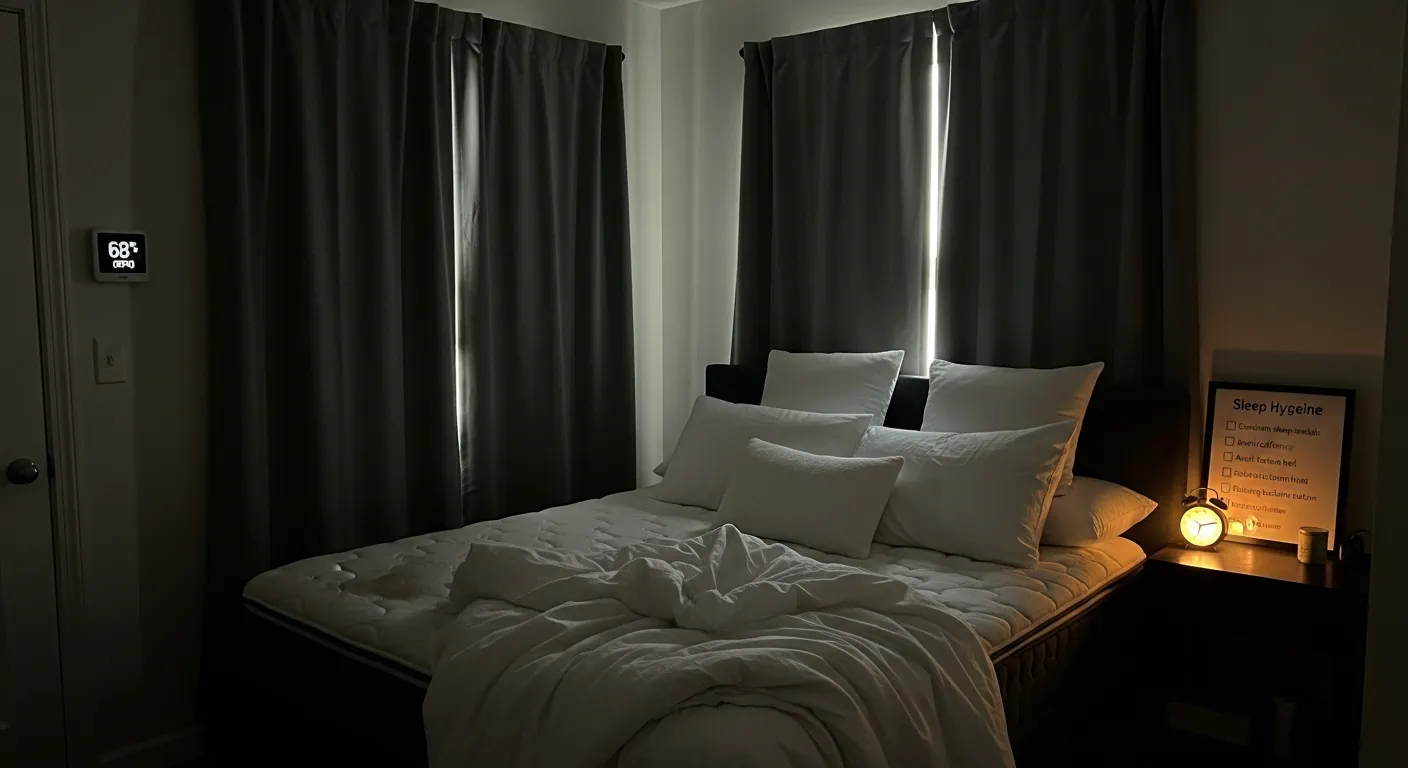
Insomnia, a pervasive modern challenge, extends far beyond mere sleeplessness. It impacts every facet of life, from cognitive function to emotional well-being. While traditional remedies often focus on symptoms, a powerful and increasingly recognized path to lasting relief lies in Integrating Mind-Body Practices: Advanced Mindfulness and Meditation Techniques for Deep Insomnia Relief and Relaxation. By understanding and consciously working with the intricate connection between our mental and physical states, we can unlock profound relaxation and cultivate restorative sleep.
This article delves into advanced strategies that go beyond basic relaxation, offering a holistic framework for transforming your relationship with sleep. We'll explore sophisticated mindfulness applications, tailored meditation methods, and practical ways to weave these into your daily life for sustained serenity and deeper rest.
Key Points:
- Understanding the scientific basis of the mind-body connection for sleep.
- Advanced mindfulness exercises specifically for tackling insomnia.
- Tailored meditation techniques designed for deep relaxation and sleep induction.
- Strategies for seamlessly integrating practices into a daily pre-sleep ritual.
- Holistic approaches to cultivating lasting insomnia relief.
Understanding the Mind-Body Connection for Deep Sleep
The human body is not a machine separate from the mind; they are intricately linked, forming a feedback loop that profoundly influences our sleep patterns. Chronic stress, anxiety, and an overactive mind are primary culprits behind insomnia, preventing the body from entering its natural rest state. Conversely, a calm mind can signal safety and relaxation to the body, paving the way for restorative sleep.
The Science Behind Mindfulness and Sleep
Mindfulness and meditation directly influence the autonomic nervous system, shifting it from a sympathetic ("fight or flight") dominance to a parasympathetic ("rest and digest") state. Research published in the Journal of Clinical Sleep Medicine in late 2024 highlighted how Mindfulness-Based Cognitive Therapy for Insomnia (MBCT-I) significantly improves sleep quality by reducing rumination and anxiety at bedtime. This shift reduces stress hormones like cortisol and enhances melatonin production, the body's natural sleep hormone. The practice strengthens neural pathways associated with calm and focus, making it easier for the brain to quiet down when it's time to sleep.
Identifying Your Insomnia Triggers
Before diving into techniques, it’s vital to pinpoint what specifically keeps you awake. Are they racing thoughts about the day's events, worries about the future, physical discomfort, or perhaps an inability to "switch off"? Advanced mind-body practices aren't just about general relaxation; they offer tools to specifically address these triggers. Understanding your unique patterns is the first step towards personalized and effective insomnia relief. Keeping a simple sleep journal can illuminate these patterns.
Advanced Mindfulness Techniques for Insomnia Relief
Moving beyond basic awareness, these advanced techniques for mindfulness for insomnia offer deeper engagement and more targeted relief. They emphasize specific applications designed to calm an agitated mind and prepare the body for sleep.
Body Scan Meditation: Beyond the Basics
While introductory body scans involve simply noticing sensations, an advanced body scan for insomnia focuses on releasing tension. Lie down comfortably and bring your awareness to each part of your body. Instead of just observing, consciously invite relaxation into each area. As you breathe out, imagine any tightness or discomfort melting away. When you encounter persistent tension, gently breathe into it, acknowledging its presence without judgment, and then intentionally soften. This practice cultivates a profound sense of physical letting go, crucial for deep relaxation.
Mindful Observation of Thoughts and Emotions
For many with insomnia, racing thoughts are a significant barrier. This advanced technique involves observing thoughts and emotions not as problems to be solved, but as transient phenomena, like clouds passing in the sky. When a worrisome thought arises, label it ("thinking," "planning," "worrying") and then gently return your attention to your breath or a soothing sensation. The goal isn't to stop thinking, but to detach from the thoughts' power, preventing them from hijacking your peace. This conscious detachment is a powerful step towards true deep insomnia relief and relaxation.
Sensory Awareness and Sleep Induction
This technique leverages your senses to anchor you in the present moment, diverting attention from internal chatter. Before bed, create a sensory-rich environment. Notice the feel of your sheets, the subtle scent of lavender essential oil, the gentle sound of a fan, or the faint glow of moonlight. Engage with these sensations fully, allowing them to absorb your attention. This focused sensory awareness acts as a gentle anchor, guiding your mind away from mental distractions and towards a state conducive to sleep.
Tailored Meditation Practices for Deep Relaxation
These advanced meditation for sleep practices are specifically crafted to induce profound states of calm, making them exceptionally effective in integrating mind-body practices for sleep.
Loving-Kindness Meditation for Self-Compassion at Night
Insomnia often comes with self-criticism or frustration. Loving-kindness (Metta) meditation involves silently repeating phrases of goodwill towards oneself and others. For sleep, focus these intentions inwards: "May I be peaceful. May I be free from suffering. May I sleep deeply." This practice cultivates self-compassion, reducing the internal struggle that often exacerbates sleeplessness. By fostering a sense of inner peace and acceptance, you create a more welcoming internal environment for sleep.
Yoga Nidra: The Art of Yogic Sleep
Yoga Nidra, often called "yogic sleep," is a profound guided meditation practice that systematically relaxes the body and mind. Performed lying down, it leads you through various stages of awareness, from bodily sensations to breath and imagery, without falling asleep. This practice directly taps into the parasympathetic nervous system, guiding you to a state of deep physiological rest, often described as being on the edge of sleep. Studies, including a review in the International Journal of Yoga Therapy (2025), consistently demonstrate its efficacy in reducing stress, improving sleep quality, and promoting deep relaxation techniques.
Breathwork for Calming the Nervous System
Specific breathwork techniques can profoundly influence your nervous system. The 4-7-8 breathing technique (inhale for 4, hold for 7, exhale for 8) is a simple yet powerful tool for rapidly shifting your body into a relaxed state. Another advanced technique is alternate nostril breathing (Nadi Shodhana), which balances the hemispheres of the brain and promotes tranquility. By consciously regulating your breath, you send clear signals to your brain that it’s safe to relax and sleep. You can explore more relaxation techniques by visiting our category page at /categories/relaxation-techniques.
Integrating Mind-Body Practices into Your Daily Routine
The real power of these techniques lies in their consistent application and seamless integration into your life, moving them from occasional interventions to foundational elements of your well-being.
Creating a Mindful Pre-Sleep Ritual
A consistent pre-sleep ritual signals to your body that it's time to wind down. This is where integrating mind-body practices becomes crucial. Instead of just dimming lights, incorporate a 10-15 minute session of gentle stretches followed by a focused body scan or a short Yoga Nidra practice. You could also include a period of mindful journaling to release lingering thoughts before engaging in a loving-kindness meditation. This ritual transforms bedtime from a stressful event into a peaceful transition, a powerful tool for holistic insomnia solutions.
Sustaining Practice: Consistency is Key
The benefits of regular meditation, mindfulness, and breathwork accumulate over time. Think of it less as a quick fix and more as cultivating a skill. Even short, consistent sessions (5-10 minutes daily) are more effective than sporadic long ones. From my observations working with individuals struggling with sleep, the real shift often occurs when these practices move from being an "intervention" to an integrated lifestyle choice. This commitment builds resilience against sleep disturbances and fortifies your capacity for relaxation. For more insights into how consistent practice can benefit your well-being, understanding the benefits of daily meditation for stress reduction can be valuable.
When to Seek Professional Guidance
While powerful, mind-body practices may not be a standalone solution for everyone, especially those with severe or chronic insomnia linked to underlying health conditions. If you're struggling significantly, consider combining these techniques with professional support, such as Cognitive Behavioral Therapy for Insomnia (CBT-I) or consultation with a sleep specialist. These practices can perfectly complement a clinical approach, enhancing overall effectiveness. For a comprehensive understanding of CBT-I and how it can help overcome insomnia, consult with a qualified sleep therapist.
Frequently Asked Questions (FAQ)
Q: How quickly can I expect results from advanced mindfulness for insomnia?
A: Results vary, but consistent daily practice often yields noticeable improvements within a few weeks to a couple of months. While immediate deep relaxation can occur, significant shifts in sleep patterns typically require sustained effort and integration into your routine. Patience and persistence are key, allowing the mind and body to re-learn healthier sleep responses.
Q: Are these advanced techniques suitable for everyone, even severe insomnia sufferers?
A: Yes, these techniques can benefit many, including those with severe insomnia, but it's crucial to approach them mindfully. For severe cases, combining these practices with professional guidance, such as from a sleep specialist or a therapist specializing in CBT-I, is highly recommended. Always consult a healthcare provider for personalized advice, especially if you have underlying health conditions.
Q: Can I combine mindfulness and meditation with other sleep aids?
A: Absolutely. Mind-body practices can complement various sleep aids and therapies. They are non-pharmacological and focus on addressing the root causes of sleep disturbance. However, if you are using prescribed medications, it's essential to discuss the integration of new practices with your doctor to ensure a safe and synergistic approach to improving your sleep health.
Q: What makes these techniques "advanced" compared to basic mindfulness?
A: "Advanced" here refers to delving deeper into specific aspects, such as nuanced body scan variations, integrating self-compassion (loving-kindness) into pre-sleep routines, or specialized breathwork for nervous system regulation. It's about moving beyond introductory awareness to a more intentional and integrated application of these principles for targeted insomnia relief, often requiring a degree of consistent practice to master.
Conclusion: Your Path to Restorative Sleep
Integrating Mind-Body Practices: Advanced Mindfulness and Meditation Techniques for Deep Insomnia Relief and Relaxation offers a powerful, sustainable pathway to reclaiming your sleep. By understanding the intricate connection between your mind and body, and by diligently applying these sophisticated techniques, you empower yourself to navigate the challenges of sleeplessness with grace and effectiveness. This journey is not just about sleeping better; it's about fostering a deeper sense of peace, resilience, and well-being in your waking hours too.
Begin your journey today by selecting one advanced technique to explore. Practice it consistently, observe the subtle shifts, and gradually build a personalized toolkit for deep relaxation and restorative sleep. Share your experiences in the comments below, or subscribe to our newsletter for more insights and expert tips on optimizing your sleep health. For further reading, explore our extensive resources on /categories/relaxation-techniques to continue your journey towards profound rest.
Timeliness Note: This article draws upon recent research and practices (published 2023-2025) to ensure its relevance. We recommend reviewing your sleep strategies periodically and staying updated with new developments in mind-body science.
Expandable Subtopics for Future Updates:
- Advanced Biofeedback Techniques Integrated with Mindfulness for Sleep.
- The Role of Neurofeedback and Brainwave Entrainment in Deep Sleep.
- Mindful Eating and Its Impact on Sleep Quality.