Insomnia Relief Strategies: Your Guide to a Full Night's Sleep
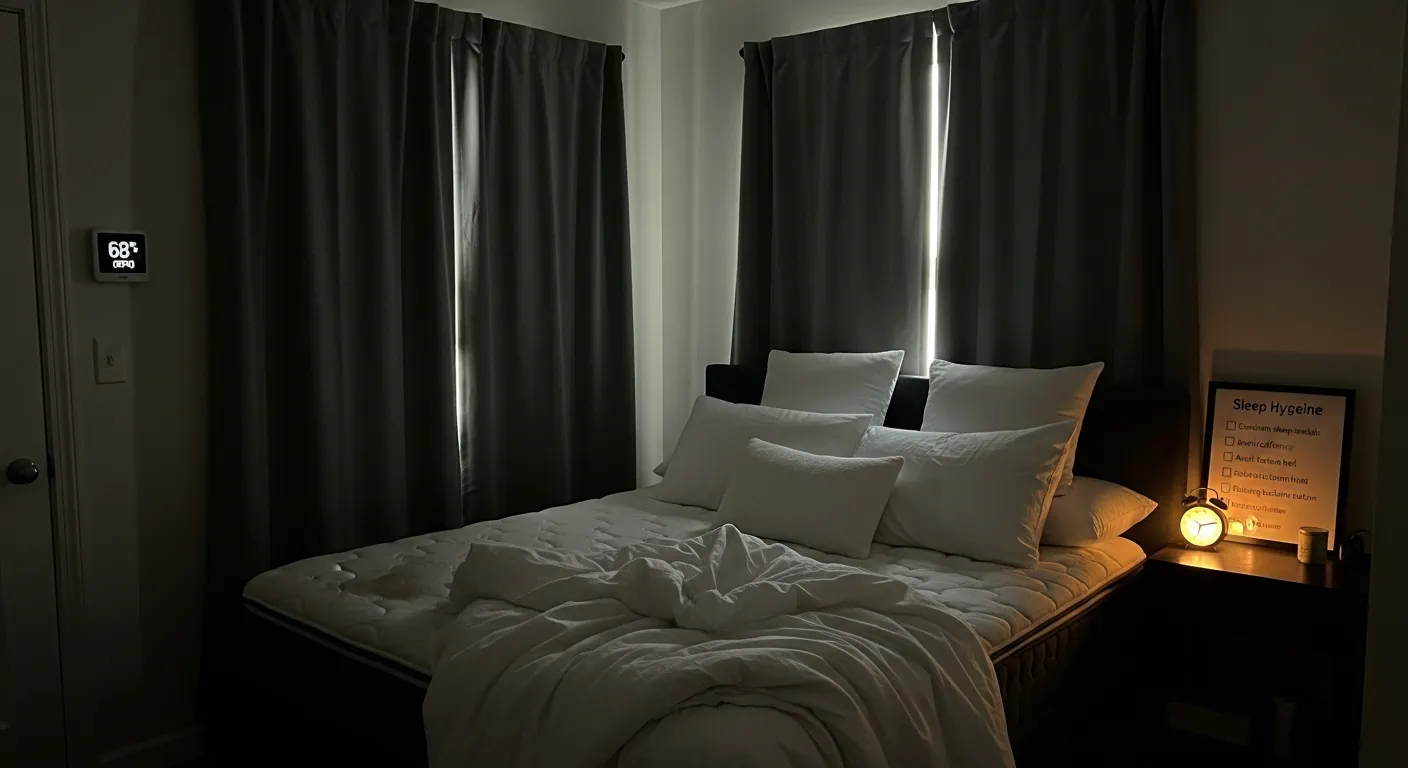
Struggling to drift off or stay asleep? You're not alone. Insomnia, characterized by persistent difficulty falling or staying asleep, can significantly impact your daily life, affecting mood, concentration, and overall health. Fortunately, a variety of effective insomnia relief strategies can guide you back to restful nights. This comprehensive guide explores proven methods to help you conquer sleeplessness and reclaim the restorative power of a full night's sleep. We'll delve into behavioral techniques, lifestyle adjustments, and environmental factors that can make a profound difference.
Key Points:
- Understand the root causes of your insomnia.
- Implement consistent sleep hygiene practices.
- Explore relaxation techniques to calm your mind.
- Optimize your sleep environment for maximum rest.
- Know when to seek professional help.
Understanding Insomnia: More Than Just a Bad Night
Insomnia isn't merely a matter of tossing and turning. It's a complex sleep disorder with various underlying causes, including stress, anxiety, depression, poor sleep habits, and certain medical conditions. Chronic insomnia can feel like an insurmountable challenge, but by understanding its nature and adopting targeted insomnia relief strategies, you can begin to see significant improvements. Recognizing that your sleeplessness is a treatable condition is the first crucial step towards recovery.
Common Triggers for Sleeplessness
Several factors can contribute to or exacerbate insomnia. Identifying your personal triggers is a vital part of developing a personalized sleep plan.
- Stress and Anxiety: Worries about work, finances, or relationships often keep the mind racing, making it difficult to relax into sleep.
- Poor Sleep Habits (Sleep Hygiene): Irregular sleep schedules, late-night screen time, and consuming caffeine or alcohol close to bedtime disrupt the natural sleep-wake cycle.
- Medical Conditions: Pain, respiratory problems (like sleep apnea), frequent urination, and neurological disorders can interfere with sleep.
- Mental Health Issues: Depression and anxiety disorders are strongly linked to insomnia.
- Medications: Certain drugs, including some antidepressants, heart medications, and stimulants, can cause insomnia as a side effect.
Foundational Insomnia Relief Strategies: The Power of Sleep Hygiene
Sleep hygiene refers to the habits and practices that promote healthy sleep. Implementing consistent sleep hygiene is a cornerstone of insomnia relief strategies and often yields the most significant long-term benefits.
Establish a Regular Sleep Schedule
Going to bed and waking up at the same time every day, even on weekends, helps regulate your body's internal clock, or circadian rhythm. This consistency signals to your brain when it's time to sleep and when it's time to be awake. Aim for 7-9 hours of sleep per night.
Create a Relaxing Bedtime Routine
Dedicate the hour before bed to winding down. This could involve:
- Reading a physical book: Avoid screens, as the blue light can interfere with melatonin production.
- Taking a warm bath: The slight drop in body temperature afterward can promote sleepiness.
- Listening to calming music or a podcast: Choose content that is soothing, not stimulating.
- Gentle stretching or meditation: Releasing physical tension can help quiet a busy mind.
Optimize Your Sleep Environment
Your bedroom should be a sanctuary for sleep. Ensure it is:
- Dark: Use blackout curtains or an eye mask to block out light. Even small amounts of light can disrupt sleep.
- Quiet: Use earplugs or a white noise machine if necessary to minimize disruptive sounds.
- Cool: A slightly cooler room temperature (around 60-67°F or 15-19°C) is generally conducive to sleep.
- Comfortable: Invest in a supportive mattress and pillows that suit your preferences.
Limit Stimulants and Alcohol
- Caffeine: Avoid caffeine in the late afternoon and evening. Be mindful of hidden caffeine in chocolate, certain teas, and sodas.
- Alcohol: While alcohol may initially make you feel drowsy, it disrupts sleep later in the night, leading to fragmented sleep and reduced REM sleep.
- Nicotine: As a stimulant, nicotine can interfere with sleep if consumed close to bedtime.
Be Mindful of Food and Drink
Avoid heavy meals, excessive fluids, and spicy foods close to bedtime. If you are hungry, a light, sleep-promoting snack like a banana or a small bowl of oatmeal can be beneficial.
Behavioral Insomnia Relief Strategies: Retraining Your Brain
Beyond basic sleep hygiene, specific behavioral therapies have proven highly effective for chronic insomnia. These strategies aim to change thought patterns and behaviors that interfere with sleep.
Cognitive Behavioral Therapy for Insomnia (CBT-I)
CBT-I is widely considered the gold standard for treating chronic insomnia. It's a structured program that helps you identify and replace thoughts and behaviors that cause or worsen sleep problems. Key components include:
- Stimulus Control: This involves re-associating your bed with sleep. You should only go to bed when you are sleepy and get out of bed if you can't fall asleep within 20 minutes. Your bed should be for sleep and intimacy only.
- Sleep Restriction: Initially, this therapy involves limiting the time you spend in bed to roughly the amount of time you are actually sleeping. This builds sleep drive. As your sleep efficiency improves, time in bed is gradually increased.
- Cognitive Restructuring: This addresses the anxious thoughts and beliefs about sleep. It helps you challenge negative self-talk and develop more realistic and helpful perspectives on sleep.
- Relaxation Training: Techniques such as progressive muscle relaxation, deep breathing exercises, and mindfulness meditation teach you how to reduce physical and mental tension.
Differentiated Insight: While many resources discuss relaxation, CBT-I's structured approach, particularly sleep restriction and stimulus control, offers a more direct and scientifically validated method for retraining the sleep-wake cycle, moving beyond general advice to concrete, actionable steps. A study published in JAMA Internal Medicine in 2023 highlighted the long-term efficacy of CBT-I, demonstrating sustained improvements in sleep quality and reduced reliance on medication compared to other approaches.
Relaxation Techniques
Practicing relaxation before bed can significantly ease the transition into sleep.
- Deep Breathing Exercises: Focus on slow, deep inhalations and exhalations. This calms the nervous system.
- Progressive Muscle Relaxation: Tense and then release different muscle groups throughout your body, noticing the difference between tension and relaxation.
- Mindfulness Meditation: Gently bring your attention to the present moment, observing your thoughts without judgment. This can help detach from racing worries.
Lifestyle Adjustments for Better Sleep
Your daily habits play a significant role in your nightly sleep quality. Small but consistent changes can have a powerful impact on your ability to fall asleep and stay asleep.
Regular Physical Activity
Consistent exercise can improve sleep quality, but timing is crucial. Aim for moderate aerobic exercise most days of the week, but try to finish vigorous workouts at least 2-3 hours before bedtime. Light activities like yoga or walking are generally fine closer to sleep.
Manage Stress Effectively
Chronic stress is a major culprit behind insomnia. Explore healthy stress management techniques that work for you:
- Journaling: Writing down your worries can help you process them and clear your mind.
- Time Management: Feeling overwhelmed by tasks can lead to stress. Prioritizing and breaking down tasks can help.
- Seeking Support: Talking to friends, family, or a therapist can provide emotional relief.
Limit Naps
While short power naps can be beneficial for some, long or late-afternoon naps can interfere with your ability to fall asleep at night. If you must nap, keep it short (20-30 minutes) and early in the afternoon.
Addressing Persistent Insomnia: When to Seek Professional Help
If you've tried various insomnia relief strategies and are still struggling, it's time to consult a healthcare professional. Persistent insomnia can be a symptom of an underlying medical or mental health condition that requires diagnosis and treatment.
What to Expect from Your Doctor
Your doctor will likely:
- Ask about your sleep habits and medical history: Be prepared to discuss your symptoms, lifestyle, and any medications you're taking.
- Perform a physical examination: To rule out any physical causes of insomnia.
- Recommend further tests: Such as a sleep study (polysomnography) if sleep apnea or another sleep disorder is suspected.
- Discuss treatment options: This may include CBT-I, medication, or treatment for any underlying conditions.
Evidence-Based Opinion: Based on clinical guidelines from organizations like the American Academy of Sleep Medicine (published in 2024), CBT-I is recommended as a first-line treatment for chronic insomnia. Medications may be considered for short-term relief, but they don't address the root causes in the same way and can lead to dependence.
Differentiating Your Approach to Insomnia Relief
While many guides offer similar advice, a truly effective approach often involves a personalized blend of strategies, recognizing that what works for one person may not work for another. A key differentiator is the emphasis on active problem-solving rather than passive hoping for sleep.
- Holistic Lifestyle Integration: Instead of viewing sleep as an isolated issue, integrate sleep optimization into your broader wellness routine. This includes paying attention to nutrition (e.g., ensuring adequate magnesium intake, as noted in recent nutritional science reviews from 2025), hydration, and social connections, all of which impact sleep architecture.
- Personalized Sleep Tracking and Analysis: Utilizing sleep trackers (wearables or apps) can provide valuable data. However, the differentiator is analyzing this data with a professional or through guided self-reflection to identify specific patterns and trigger points, rather than just passively monitoring metrics. For example, consistently poor sleep on nights following high-stress workdays, coupled with a late caffeine intake, might reveal a clear pattern.
Frequently Asked Questions About Insomnia Relief
Q1: How quickly can I expect to see results from insomnia relief strategies? A1: Results vary. Basic sleep hygiene can bring noticeable improvements within a few weeks. Behavioral therapies like CBT-I often show significant progress within 6-8 weeks, with lasting benefits often seen months later. Patience and consistency are key.
Q2: Are sleep medications a good long-term solution for insomnia? A2: Sleep medications are generally recommended for short-term use. They can be helpful in acute situations but do not address the underlying causes of insomnia and can lead to dependence or other side effects with prolonged use.
Q3: What is the best time to go to bed if I have insomnia? A3: The best time to go to bed is when you feel genuinely sleepy. For most adults, this is between 10 PM and 11 PM, but it's more important to maintain a consistent bedtime and wake-up time that allows for 7-9 hours of sleep.
Q4: Can my diet affect my insomnia? A4: Yes, diet can play a role. Heavy meals, excessive sugar, caffeine, and alcohol close to bedtime can disrupt sleep. Conversely, a balanced diet rich in certain nutrients can support better sleep patterns.
Conclusion: Reclaim Your Nights, Enhance Your Days
Tackling insomnia requires a proactive and multifaceted approach. By understanding the causes, consistently implementing insomnia relief strategies such as robust sleep hygiene and proven behavioral techniques, and knowing when to seek professional guidance, you can significantly improve your sleep quality. Remember, a full night's sleep is not a luxury; it's a fundamental component of good health.
Ready to take the next step towards better sleep?
- Start today: Pick one or two sleep hygiene tips to implement this week.
- Track your progress: Consider keeping a sleep diary to identify patterns.
- Share your journey: If you found these strategies helpful, share this guide with others who might be struggling.
- Continue learning: Explore our articles on stress management techniques and the impact of diet on sleep for more in-depth information.
Your path to restful nights begins with informed action. Sweet dreams!