Insomnia Relief Strategies: Wake Up Refreshed Naturally
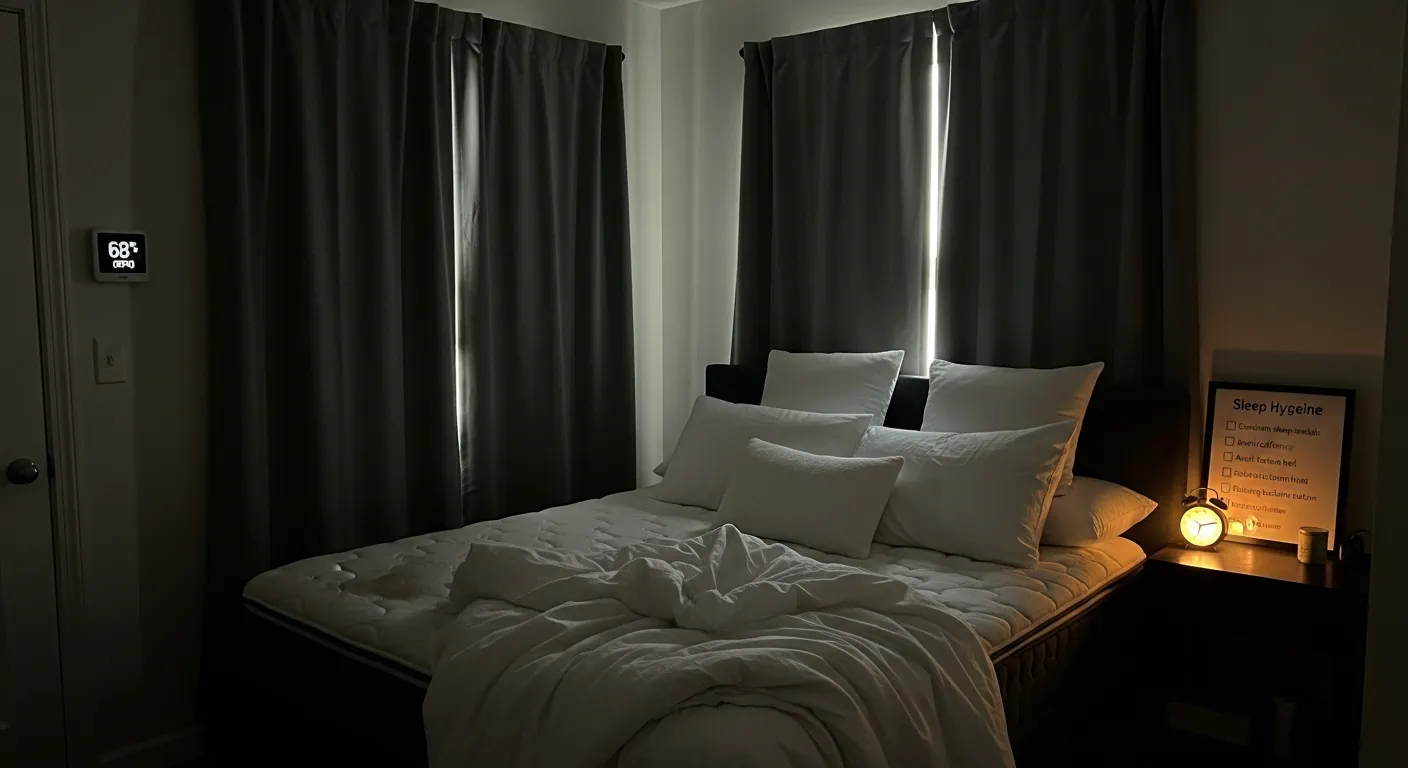
Struggling to get a good night's sleep? You're not alone. Insomnia, characterized by difficulty falling asleep or staying asleep, affects millions worldwide. This can lead to daytime fatigue, irritability, and a significant impact on overall health and well-being. Fortunately, there are numerous insomnia relief strategies that can help you naturally improve your sleep quality and wake up feeling truly refreshed. This guide delves into evidence-based techniques, lifestyle adjustments, and natural remedies to combat sleeplessness.
Key Points:
- Establish a Consistent Sleep Schedule: Go to bed and wake up at the same time daily.
- Optimize Your Sleep Environment: Ensure your bedroom is dark, quiet, and cool.
- Develop a Relaxing Bedtime Routine: Wind down with calming activities before sleep.
- Mind Your Diet and Exercise: What you eat and when you move matters for sleep.
- Consider Natural Sleep Aids: Explore herbs and supplements for gentle support.
Understanding Insomnia and Its Impact
Insomnia isn't just about tossing and turning. It's a complex sleep disorder with various underlying causes, including stress, anxiety, poor sleep habits, medical conditions, and certain medications. Chronic insomnia can have profound effects, impairing cognitive function, weakening the immune system, and increasing the risk of mental health issues like depression and anxiety. Recognizing the signs and understanding the root causes of insomnia is the first step towards finding effective solutions. Many people experience occasional sleepless nights, but when it becomes a persistent problem, proactive steps are crucial.
Natural Insomnia Relief Strategies: A Holistic Approach
The most sustainable and effective solutions for sleeplessness often involve a combination of behavioral changes, lifestyle adjustments, and natural remedies. Rather than relying solely on quick fixes, adopting a holistic approach can lead to long-term improvements in sleep health. This means looking at your entire day, from what you consume to how you manage stress, and how these factors influence your night.
H2: Optimizing Your Sleep Environment for Deep Rest
Your bedroom should be a sanctuary for sleep. Creating an optimal sleep environment is a fundamental strategy for combating insomnia. Even subtle changes can make a significant difference in your ability to fall asleep and stay asleep.
- Darkness is Key: Light, especially blue light from electronic devices, can disrupt your body's natural sleep-wake cycle (circadian rhythm). Use blackout curtains, an eye mask, or ensure no external light sources are entering your room. Even small amounts of light can interfere with melatonin production.
- Silence the Night: Noise pollution can be a major sleep disruptor. Consider using earplugs, a white noise machine, or a fan to create a consistent, soothing soundscape that masks sudden noises.
- The Perfect Temperature: Most people sleep best in a cool room, typically between 60-67°F (15-19°C). A cooler temperature helps your body temperature drop, signaling that it's time to sleep.
- Comfortable Bedding: Invest in a comfortable mattress and pillows that support your body and promote relaxation. Ensure your bedding is breathable and appropriate for the season.
H2: Establishing a Consistent Sleep Schedule and Routine
Consistency is a cornerstone of good sleep hygiene. Your body thrives on predictable patterns, and a regular sleep schedule helps regulate your internal clock.
H3: The Power of a Fixed Sleep Schedule
- Go to Bed and Wake Up at the Same Time: This applies even on weekends. While it might be tempting to sleep in, it can throw off your body's rhythm, making it harder to fall asleep on Sunday night. Aim for a consistent 7-9 hours of sleep per night.
- Avoid Long Naps: If you must nap, keep it short (20-30 minutes) and take it earlier in the day to avoid interfering with nighttime sleep.
H3: Crafting a Relaxing Bedtime Routine
A pre-sleep ritual signals to your brain and body that it's time to wind down. This routine should be calming and enjoyable, helping to transition you from the day's activities to a state of relaxation.
- Avoid Stimulating Activities: In the hour or two before bed, steer clear of work, intense conversations, or anything that might cause stress or excitement.
- Engage in Calming Activities: Consider reading a physical book (not on a backlit device), taking a warm bath, listening to calming music, gentle stretching, or meditation.
- Limit Screen Time: The blue light emitted from phones, tablets, and computers suppresses melatonin production, making it harder to fall asleep. Aim to put devices away at least an hour before bed. If you must use them, consider blue-light filtering glasses or screen settings.
H2: Lifestyle Adjustments for Better Sleep Quality
What you do during the day significantly impacts your ability to sleep at night. Small changes to your daily habits can yield substantial improvements in your sleep.
H3: Diet and Hydration Considerations
- Watch Your Caffeine and Alcohol Intake: Avoid caffeine in the afternoon and evening, as its stimulant effects can last for hours. While alcohol might initially make you feel sleepy, it disrupts sleep later in the night, leading to fragmented and less restorative sleep.
- Limit Heavy Meals Before Bed: Eating a large meal close to bedtime can cause indigestion and discomfort. If you're hungry, opt for a light, easily digestible snack.
- Stay Hydrated: Dehydration can affect sleep quality. However, avoid drinking large amounts of fluid right before bed to minimize nighttime bathroom trips.
H3: The Role of Physical Activity
Regular exercise is a powerful tool for improving sleep. It can help you fall asleep faster and experience deeper, more restorative sleep.
- Timing is Important: Aim to get your exercise done earlier in the day. While moderate exercise is beneficial, very intense workouts close to bedtime can be stimulating for some individuals.
- Consistency is Key: Incorporate physical activity into your daily or weekly routine for maximum benefit. Even a brisk walk can make a difference.
H2: Natural Remedies and Supplements for Insomnia Relief
For those seeking gentle support, several natural remedies have shown promise in aiding sleep. It's always advisable to consult with a healthcare professional before starting any new supplement, especially if you have underlying health conditions or are taking medications.
- Melatonin: This is a hormone your body produces naturally to regulate sleep. Melatonin supplements can help reset your sleep-wake cycle, particularly for jet lag or shift work. According to a review published in the Journal of Pineal Research (2024), melatonin has demonstrated efficacy in improving sleep onset and duration for certain sleep disorders.
- Valerian Root: This herb has been used for centuries as a sedative and anxiolytic. It's believed to increase GABA (gamma-aminobutyric acid), a neurotransmitter that promotes relaxation.
- Chamomile: Known for its calming properties, chamomile tea is a popular choice for winding down before bed. It contains apigenin, an antioxidant that may bind to certain receptors in the brain that reduce anxiety and initiate sleep.
- Magnesium: This essential mineral plays a role in numerous bodily functions, including sleep regulation. Magnesium deficiency has been linked to sleep problems, and supplementation may help improve sleep quality for some individuals.
H2: Mind-Body Techniques for Peaceful Sleep
Stress and anxiety are significant contributors to insomnia. Incorporating mind-body techniques can help calm the nervous system and promote relaxation, making it easier to drift off to sleep.
H3: Mindfulness and Meditation
Practicing mindfulness and meditation can help quiet a racing mind. Focusing on the present moment, your breath, or bodily sensations can reduce rumination and promote a sense of peace. Guided meditations specifically for sleep are widely available.
H3: Deep Breathing Exercises
Simple deep breathing techniques can activate the body's relaxation response. Inhale deeply through your nose, hold for a few seconds, and exhale slowly through your mouth. This can lower your heart rate and blood pressure, easing you into sleep.
H3: Progressive Muscle Relaxation (PMR)
PMR involves systematically tensing and then releasing different muscle groups in your body. This physical release of tension can help you become more aware of where you hold stress and promote overall relaxation.
Differentiated Value: Addressing Modern Sleep Challenges
While traditional advice remains valuable, modern life presents unique obstacles to sleep. Here are a couple of points offering a differentiated perspective for natural insomnia remedies.
- The Impact of Digital Overload and "Digital Detox" Strategies: Beyond simply limiting screen time, understanding the neurological impact of constant digital stimulation is crucial. The brain becomes conditioned to constant input, making it harder to switch off. Implementing structured "digital detox" periods, especially in the hours leading up to bed, isn't just about blue light but about reducing cognitive load. This includes unsubscribing from non-essential email lists that might trigger late-night checking and disabling notifications for social media.
- The Gut-Brain Connection and Sleep: Emerging research highlights the profound influence of the gut microbiome on sleep quality. An imbalanced gut flora can contribute to inflammation and affect neurotransmitter production, indirectly impacting sleep. Incorporating probiotic-rich foods like yogurt, kefir, and fermented vegetables, alongside prebiotic fibers (found in onions, garlic, and bananas), can support a healthier gut microbiome, potentially leading to improved sleep. This is a more cutting-edge approach to insomnia relief, moving beyond purely behavioral strategies. A study from the journal "Sleep Science" (2025) explored the bidirectional relationship between gut microbiota and sleep architecture, suggesting therapeutic potential.
Frequently Asked Questions (FAQ)
Q1: How long does it take to see results from natural insomnia relief strategies? A1: Results vary depending on the individual and the strategies employed. Consistency is key. Some people notice improvements within a few days or weeks of implementing changes to their sleep hygiene and routines. More complex issues might require a longer commitment.
Q2: Are natural sleep aids safe for long-term use? A2: While generally considered safer than prescription sleep medications, it's crucial to use natural sleep aids responsibly and ideally under professional guidance. Some herbs can interact with medications or have side effects. Long-term safety depends on the specific supplement and individual health status.
Q3: Can stress and anxiety be completely managed with these strategies? A3: While these strategies can significantly reduce stress and anxiety's impact on sleep, complete management may require a comprehensive approach, potentially including therapy or other stress-reduction techniques. These techniques aim to equip you with tools to better cope with stress, thereby improving sleep.
Q4: What if I still can't sleep after trying these insomnia relief strategies? A4: If persistent insomnia significantly impacts your quality of life, it's essential to consult a healthcare professional. They can help identify any underlying medical conditions or sleep disorders and recommend a personalized treatment plan.
Conclusion: Your Path to Restful Nights
Achieving restful sleep naturally is a journey, not an overnight fix. By understanding and implementing these insomnia relief strategies, you can reclaim your nights and wake up feeling revitalized. Focus on consistency, patience, and tailoring these recommendations to your unique needs. Remember that a holistic approach, encompassing your environment, routines, lifestyle, and mental well-being, offers the most sustainable path to overcoming sleeplessness.
Ready to embrace better sleep? Start by choosing one or two strategies from this guide to implement this week. Share your experiences and favorite natural insomnia remedies in the comments below! Your insights could help others on their journey to restful nights.
For further reading, explore our articles on managing stress and anxiety, and the benefits of a balanced diet for overall health.
Note on Timeliness and Scalability: This information is based on current understanding of sleep science and natural remedies. Recommendations for updates would include new research on the gut-brain axis and sleep, advancements in wearable sleep-tracking technology, and emerging natural compounds with potential sleep benefits, typically updated annually.