Healthy Sleep Habits for Anxiety: Reducing Stress for Better Rest
Unlocking Restful Nights: Healthy Sleep Habits for Anxiety Sufferers
Anxiety and sleep are intricately linked, often creating a vicious cycle where one exacerbates the other. For millions experiencing anxiety, the prospect of a peaceful night's sleep can feel like an unattainable dream. The racing thoughts, physical tension, and constant worry that characterize anxiety can make falling asleep, and staying asleep, a significant challenge. Fortunately, adopting specific healthy sleep habits for anxiety can be a powerful tool in breaking this cycle, helping to reduce stress and cultivate better, more restorative rest.
This guide explores practical strategies to improve your sleep hygiene, focusing on how to manage anxiety-related sleep disturbances. By implementing these changes, you can begin to regain control over your nights and experience the profound benefits of consistent, quality sleep.
Key Points:
- Establish a Consistent Sleep Schedule: Go to bed and wake up around the same time daily.
- Optimize Your Sleep Environment: Make your bedroom dark, quiet, and cool.
- Develop a Relaxing Bedtime Routine: Wind down with calming activities before sleep.
- Limit Stimulants and Heavy Meals: Avoid caffeine, alcohol, and large meals close to bedtime.
- Manage Stress and Worry: Implement techniques to calm your mind.
The Anxiety- Sleep Connection: Understanding the Cycle
Anxiety is more than just feeling worried; it's a complex physiological and psychological response. When you experience anxiety, your body often enters a state of heightened alert, releasing stress hormones like cortisol and adrenaline. This "fight or flight" response, while useful in immediate danger, is detrimental to sleep. Elevated cortisol levels can interfere with the natural sleep-wake cycle, making it harder to fall asleep and leading to fragmented sleep.
Conversely, poor sleep can amplify anxiety symptoms. When you're sleep-deprived, your brain's ability to regulate emotions is compromised, making you more susceptible to stress and worry. This creates a feedback loop: anxiety disrupts sleep, and disrupted sleep fuels anxiety. Understanding this connection is the first step toward implementing effective healthy sleep habits for anxiety.
Why Healthy Sleep Habits Matter for Anxiety
Prioritizing healthy sleep habits for anxiety isn't just about feeling more rested; it's a crucial component of managing anxiety itself. Quality sleep allows your brain to:
- Consolidate Memories: Essential for learning and emotional processing.
- Regulate Mood: Improves emotional resilience and reduces irritability.
- Repair and Restore: Allows your body and mind to recover from daily stress.
- Reduce Stress Hormone Levels: Facilitates a return to a calm state.
When sleep is consistently poor, these vital functions are impaired, leading to increased feelings of overwhelm and making anxiety symptoms more pronounced.
Building Your Foundation: Essential Healthy Sleep Habits
Creating a sleep sanctuary and adopting consistent routines are fundamental to managing anxiety-related sleep issues. These habits lay the groundwork for a more peaceful night.
1. The Power of a Consistent Sleep Schedule
- The Core Principle: Going to bed and waking up at roughly the same time every day, even on weekends, is paramount. This reinforces your body's natural circadian rhythm, often referred to as the internal body clock.
- How it Helps Anxiety: A stable sleep schedule signals to your brain that it's time for predictable rest. This regularity can reduce the anxiety associated with the uncertainty of sleep onset and improve overall sleep quality, making you feel more in control.
- Practical Tip: Aim for 7-9 hours of sleep per night. Even if you can't achieve this every night, consistency in your wake-up time is often more critical than bedtime.
2. Crafting the Ideal Sleep Environment
Your bedroom should be a sanctuary for rest, free from distractions and conducive to relaxation.
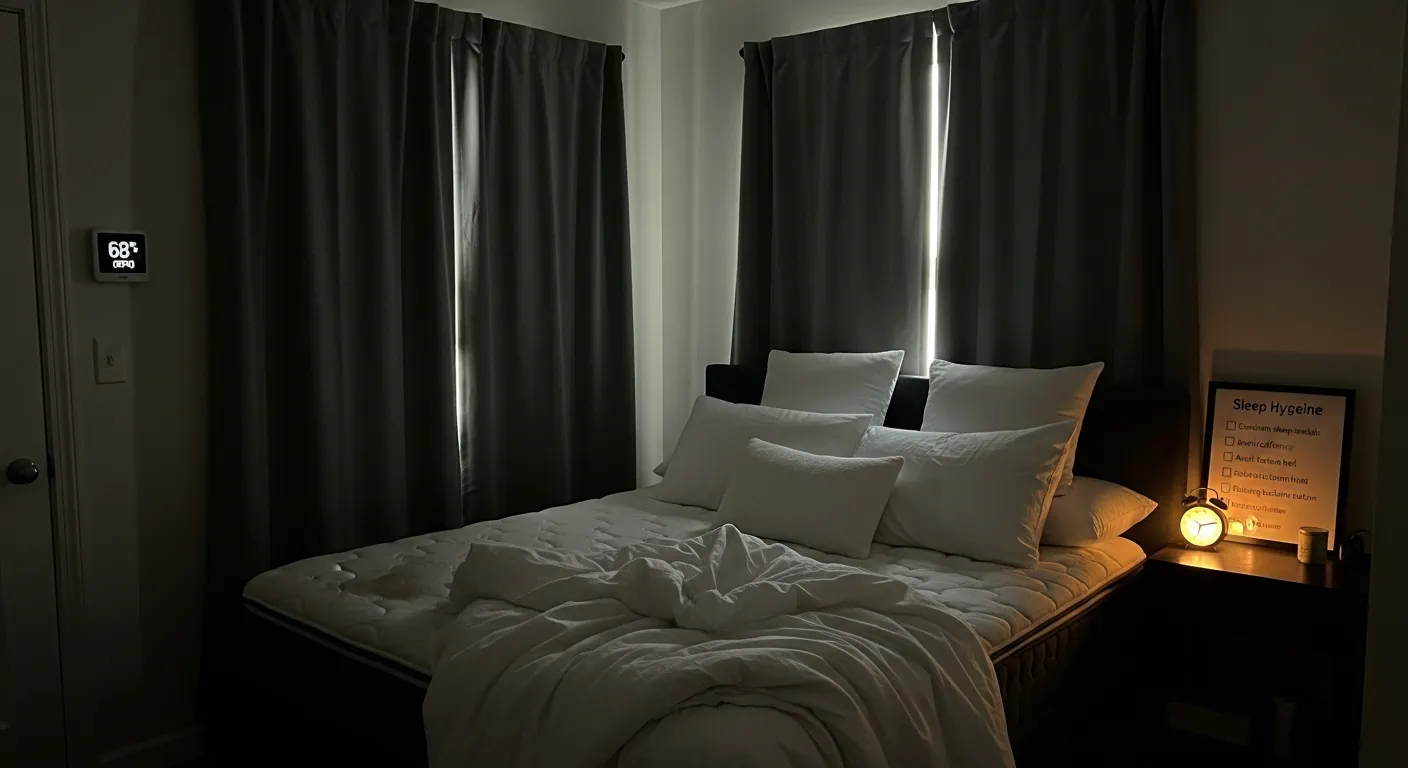
- Darkness is Key: Use blackout curtains to block out external light. Even small amounts of light can disrupt melatonin production, a hormone essential for sleep.
- Differentiated Insight: Consider using a sleep mask if complete darkness isn't achievable due to light sensitivity.
- Temperature Matters: A cool room, typically between 60-67°F (15-19°C), promotes better sleep. Your body temperature naturally drops as you prepare for sleep, and a cooler environment supports this process.
- Quiet Zone: Minimize noise disruptions. Earplugs or a white noise machine can be highly effective for blocking out sudden or irritating sounds that might trigger anxiety or wakefulness.
- Comfortable Bedding: Invest in a supportive mattress and comfortable pillows. Ensure your bedding is made of breathable materials to prevent overheating.
3. Designing a Relaxing Bedtime Routine
A wind-down period before bed signals to your brain that it's time to transition from the day's activities to rest. This is especially crucial for managing anxious thoughts.
- Dim the Lights: In the hour or two before bed, lower the lights in your home to mimic the natural progression of dusk.
- Avoid Screens: The blue light emitted from phones, tablets, and computers can suppress melatonin and stimulate the brain. If you must use screens, consider using blue light filters or night mode settings.
- Engage in Calming Activities:
- Reading: Opt for a physical book rather than an e-reader. Choose something light and enjoyable, not work-related or overly stimulating.
- Gentle Stretching or Yoga: Focus on restorative poses that promote relaxation.
- Warm Bath or Shower: The slight drop in body temperature after getting out of warm water can induce sleepiness. Adding Epsom salts can enhance muscle relaxation.
- Journaling: Write down your worries, thoughts, or gratitude list. This can help to externalize anxieties and clear your mind.
- Mindfulness and Meditation: Even a few minutes of guided meditation or deep breathing exercises can significantly calm an anxious mind. Consider apps designed for sleep meditation.
Nutritional and Lifestyle Adjustments for Better Sleep
What you consume and how you live your day significantly impacts your ability to sleep soundly, particularly when dealing with anxiety.
4. Mindful Eating and Drinking Habits
- Limit Caffeine: Avoid caffeine in the afternoon and evening. Caffeine is a stimulant that can stay in your system for hours, disrupting sleep and increasing anxiety.
- Alcohol and Sleep: While alcohol might initially make you feel drowsy, it disrupts sleep architecture later in the night, leading to fragmented sleep and reduced REM sleep. Avoid alcohol close to bedtime.
- Avoid Heavy Meals: Eating large or spicy meals close to bedtime can cause indigestion and discomfort, making it difficult to fall asleep. Aim to finish your last substantial meal at least 2-3 hours before sleep.
- Hydration: Stay hydrated throughout the day, but reduce fluid intake in the couple of hours before bed to minimize nighttime awakenings for bathroom trips.
5. The Role of Exercise
Regular physical activity can be a powerful anxiety reducer and sleep promoter.
- Timing is Key: Aim for moderate exercise earlier in the day. Intense workouts too close to bedtime can be stimulating for some individuals.
- Benefits: Exercise helps to burn off excess energy, reduce stress hormones, and improve mood by releasing endorphins. A study published in the Journal of Sleep Research in 2024 indicated that consistent moderate exercise significantly improved sleep quality and reduced insomnia symptoms in adults with anxiety.
6. Managing Daytime Stressors
Addressing the root causes of anxiety during the day is essential for better sleep at night.
- Stress-Reduction Techniques: Incorporate daily practices like deep breathing exercises, progressive muscle relaxation, or mindfulness.
- Differentiated Insight: Consider cognitive behavioral therapy for insomnia (CBT-I) techniques, which are highly effective for anxiety-related sleep problems. These techniques focus on identifying and changing negative thoughts and behaviors that interfere with sleep.
- Time Management: Feeling overwhelmed by tasks can fuel anxiety. Breaking down large tasks, prioritizing, and learning to say no can reduce daily stress.
- Seek Support: Don't hesitate to talk to a therapist, counselor, or trusted friend about your anxieties.
Advanced Strategies for Anxiety and Sleep
For those who find general habits are not enough, exploring more targeted approaches can be beneficial.
7. Addressing "Worry Time"
- The Concept: Designate a specific time earlier in the day (e.g., 20-30 minutes in the late afternoon) to actively think about your worries. Write them down, brainstorm solutions, or simply allow yourself to acknowledge them.
- The Goal: By "scheduling" your worry, you train your brain to postpone anxious thoughts until that designated time, rather than letting them surface uncontrollably at bedtime. This is a key strategy in many anxiety management programs.
8. The Gut-Brain Connection and Sleep
Emerging research highlights the significant role of the gut microbiome in both anxiety and sleep regulation.
- Probiotics and Prebiotics: A healthy gut microbiome can positively influence mood and sleep. Consuming fermented foods rich in probiotics (like yogurt, kefir, kimchi) and prebiotic fibers (found in fruits, vegetables, and whole grains) can support gut health.
- Nutrient Timing: Recent studies in nutritional neuroscience, such as those published in Nutrients in 2025, suggest that certain nutrient timings, particularly the consumption of magnesium-rich foods or supplements in the evening, can aid relaxation and sleep. Magnesium is known for its role in muscle relaxation and nervous system regulation. For more on this topic, readers can explore related articles on the link between gut health and mental well-being.
Frequently Asked Questions About Anxiety and Sleep
Q1: How long does it take to see improvements in sleep after implementing these habits? A1: Improvements vary for each individual, but consistency is key. You might notice subtle changes within a week or two, with more significant improvements often observed over 4-8 weeks as your body adjusts to new routines and your stress response calms down.
Q2: Can anxiety cause insomnia? A2: Yes, anxiety is a very common cause of insomnia. The mental and physical symptoms of anxiety, such as racing thoughts, worry, and heightened arousal, directly interfere with the ability to fall asleep and stay asleep.
Q3: Are there any specific foods that are bad for anxiety-related sleep? A3: Foods high in sugar, caffeine, and processed ingredients can exacerbate anxiety and disrupt sleep. Similarly, heavy or spicy meals close to bedtime can cause digestive discomfort, hindering restful sleep.
Q4: Should I see a doctor if my anxiety is affecting my sleep? A4: Absolutely. If anxiety is significantly impacting your sleep and daily functioning, it's essential to consult a healthcare professional. They can help diagnose any underlying conditions and recommend appropriate treatments, which may include therapy, medication, or specialized sleep interventions.
Conclusion: Your Path to Restful Sleep
Managing anxiety and improving sleep quality is a journey, not a destination. By consistently applying these healthy sleep habits for anxiety, you are taking proactive steps towards a more peaceful and restorative life. Remember that patience and self-compassion are vital. Some nights will be better than others, and that's perfectly normal.
Start by incorporating one or two new habits that feel most manageable, and gradually build from there. Focus on creating a consistent routine, optimizing your environment, and employing stress-reduction techniques. Your commitment to these practices will empower you to reduce stress, conquer sleepless nights, and enjoy the profound benefits of better rest.
What are your biggest challenges with sleep and anxiety? Share your thoughts and strategies in the comments below!
For further exploration on managing anxiety and improving your overall well-being, consider reading our related articles on stress management techniques and the impact of nutrition on mental health.
Article Update Frequency Recommendation: This content should be reviewed and updated annually to incorporate the latest research on sleep science, anxiety management, and nutritional impacts on sleep. New differentiated insights or trends can be added every 2-3 years.