Expert Tips for Mastering Deep Sleep for Enhanced Recovery
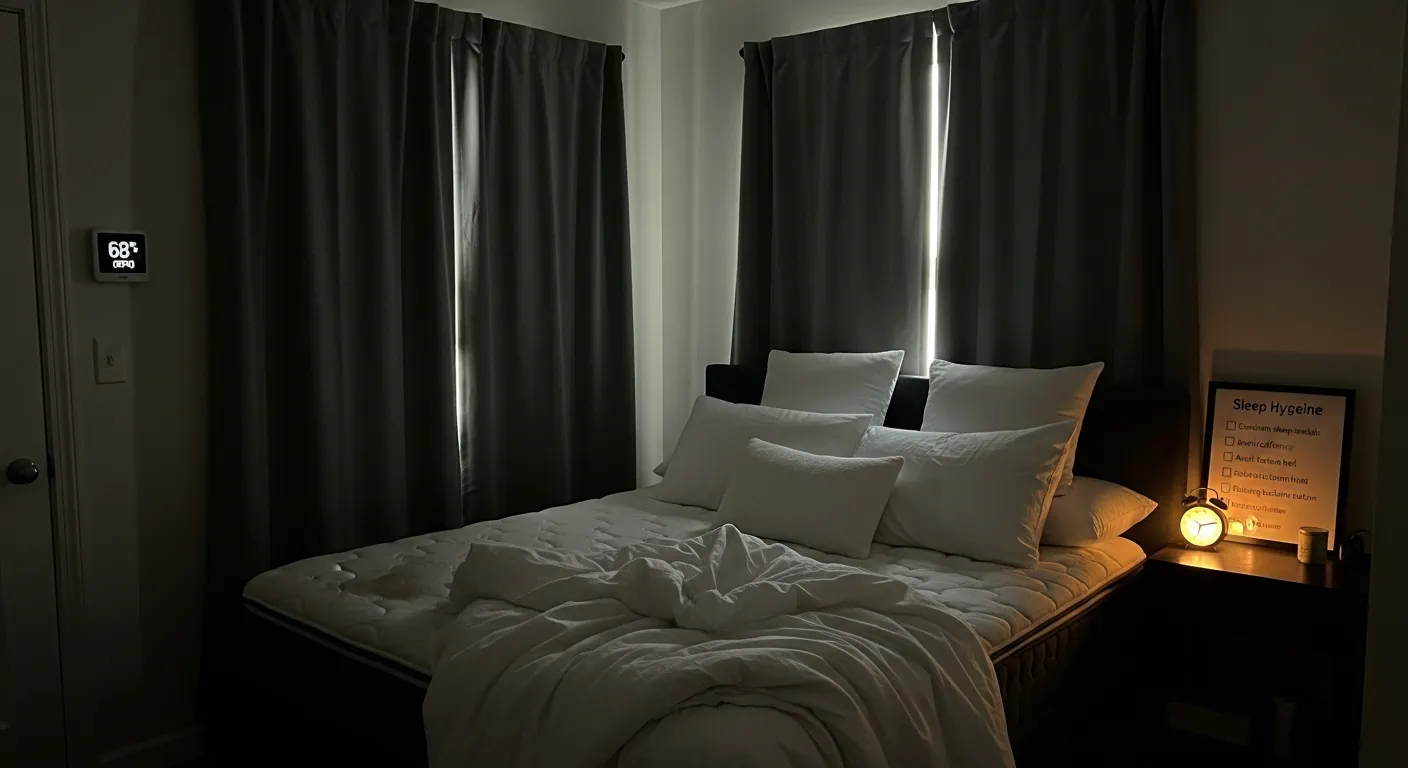
Unlock Your Potential with Expert Tips for Mastering Deep Sleep for Enhanced Recovery
Achieving mastering deep sleep for enhanced recovery is not a luxury; it's a fundamental pillar of physical and mental well-being. In today's fast-paced world, quality sleep, particularly the deep sleep stage, is often sacrificed. This profound sleep stage is where our bodies perform crucial restorative functions, from muscle repair and growth to immune system fortification and cognitive consolidation. Without sufficient deep sleep, we experience diminished performance, increased stress, and a higher susceptibility to illness. This guide delves into actionable strategies, backed by scientific understanding, to help you optimize your sleep and unlock your body's full recovery potential.
Key Points:
- Understand the critical role of deep sleep in bodily repair and rejuvenation.
- Implement environmental and lifestyle adjustments for optimal sleep hygiene.
- Explore advanced techniques to deepen and extend your sleep cycles.
- Recognize the long-term benefits of consistent, high-quality sleep.
The Indispensable Role of Deep Sleep in Recovery
Deep sleep, also known as slow-wave sleep (SWS), is the most physically restorative stage of the sleep cycle. It's characterized by slow brain waves (delta waves) and reduced muscle activity. During this phase, your body is busy:
- Muscle Repair and Growth: Growth hormone is released in higher quantities during deep sleep, promoting tissue repair, muscle building, and bone growth. This is vital for athletes and anyone undergoing physical stress.
- Immune System Fortification: Your immune system releases cytokines, proteins that help fight inflammation and infection, during deep sleep. Sufficient SWS is directly linked to a stronger immune response.
- Energy Restoration: Cellular energy stores are replenished, and the body conserves energy, preparing you for the day ahead.
- Brain Health and Memory Consolidation: While REM sleep is crucial for emotional processing, deep sleep plays a role in consolidating declarative memories (facts and events) and clearing metabolic waste from the brain.
Missing out on adequate deep sleep can lead to chronic fatigue, impaired cognitive function, slower recovery from injury, and a weakened immune system. Focusing on mastering deep sleep for enhanced recovery is a proactive approach to long-term health.
Optimizing Your Sleep Environment for Deeper Slumber
Your bedroom environment plays a significant role in the quality of your sleep. Small adjustments can yield substantial improvements in your ability to enter and sustain deep sleep.
1. Darken Your Sanctuary
- Eliminate Light: Even small amounts of light can disrupt melatonin production, a hormone crucial for sleep. Invest in blackout curtains or blinds.
- Cover Electronics: Turn off or cover any electronic devices with LED lights. Consider sleep masks if complete darkness isn't achievable.
- Consistent Darkness: Aim for a consistently dark room, even on weekends.
2. Control the Temperature
- Cool is Key: Your body's core temperature naturally drops to initiate sleep. A cooler room, typically between 60-67°F (15-19°C), facilitates this process.
- Ventilation: Ensure good air circulation. Stale air can make a room feel stuffy and less conducive to sleep.
3. Minimize Noise Distractions
- White Noise or Sound Machine: If you live in a noisy environment, a white noise machine or fan can create a consistent, calming auditory backdrop that masks disruptive sounds.
- Earplugs: High-quality earplugs can be an effective solution for external noise pollution.
- Bed Partner's Snoring: Consider solutions like nasal strips or consulting a physician if snoring is a persistent issue.
4. Prioritize Comfort
- Mattress and Pillows: Invest in a supportive mattress and comfortable pillows that align your spine properly. This reduces physical discomfort that can disrupt sleep.
- Bedding: Opt for breathable, natural fabrics like cotton or linen for your sheets and blankets.
Lifestyle Adjustments for Deeper, More Restorative Sleep
Beyond your immediate sleep environment, daily habits have a profound impact on your sleep architecture.
1. Establish a Consistent Sleep Schedule
- Regular Bedtime and Wake-up: Going to bed and waking up around the same time each day, even on weekends, helps regulate your body's internal clock (circadian rhythm). This consistency is paramount for mastering deep sleep for enhanced recovery.
- Weekend Catch-up Caution: While tempting, oversleeping on weekends can disrupt your circadian rhythm, making Monday mornings harder.
2. Mind Your Diet and Hydration
- Limit Caffeine and Alcohol: Avoid caffeine in the afternoon and evening. Alcohol might make you drowsy initially, but it disrupts sleep architecture, particularly REM and deep sleep.
- Avoid Heavy Meals Before Bed: Finish dinner at least 2-3 hours before sleep. A light, easily digestible snack might be acceptable if you're truly hungry.
- Hydration Timing: Drink plenty of water throughout the day, but reduce fluid intake in the hours leading up to bedtime to minimize nighttime awakenings.
3. The Power of Movement
- Regular Exercise: Consistent physical activity can significantly improve sleep quality and increase the amount of deep sleep you experience.
- Timing Matters: Aim to complete vigorous exercise at least 2-3 hours before bedtime. Gentle activities like yoga or stretching can be beneficial closer to sleep.
4. Manage Stress and Mental Agitation
- Wind-Down Routine: Create a relaxing pre-sleep ritual. This could include reading, taking a warm bath, gentle stretching, or meditation.
- Journaling: If your mind races with worries, spend 10-15 minutes writing down your thoughts or to-do lists for the next day before bed.
- Mindfulness and Meditation: Regular practice can train your mind to be less reactive to stress, promoting a calmer state conducive to sleep.
Advanced Strategies to Deepen Your Sleep Cycles
For those seeking to further enhance their sleep quality, several advanced strategies can be employed.
1. Strategic Light Exposure
- Morning Sunlight: Exposing yourself to bright natural light shortly after waking helps anchor your circadian rhythm and signals to your brain that it's time to be awake. This can improve sleep consolidation later in the day.
- Evening Blue Light Reduction: Avoid screens emitting blue light (phones, tablets, computers) for at least 1-2 hours before bed. If unavoidable, use blue light blocking glasses or software.
2. Breathing Techniques for Relaxation
- 4-7-8 Breathing: This technique involves inhaling for 4 counts, holding for 7, and exhaling for 8. It can help calm the nervous system and promote relaxation, easing you into sleep. This has been shown to activate the parasympathetic nervous system, which is crucial for rest and recovery. (Source: Dr. Andrew Weil, published 2023)
3. Consider Sleep Tracking (With Caution)
- Understand Your Patterns: Wearable sleep trackers can provide insights into your sleep stages, duration, and disturbances. However, interpret the data as a guide, not a definitive diagnosis.
- Avoid Sleep Anxiety: Don't become overly fixated on achieving perfect sleep metrics, as this can paradoxically increase anxiety and hinder sleep.
4. Napping Wisely
- Short and Sweet: If you need to nap, keep it to 20-30 minutes and preferably in the early afternoon. Longer or later naps can interfere with your ability to fall asleep at night.
Differentiated Insight: The Gut-Brain Axis and Deep Sleep
Emerging research highlights the intricate connection between gut health and sleep quality, a crucial area for mastering deep sleep for enhanced recovery. The gut microbiome influences the production of neurotransmitters like serotonin and GABA, which are vital for mood regulation and sleep.
- Probiotic-Rich Foods: Consuming fermented foods like yogurt, kimchi, and kefir can support a healthy gut microbiome, potentially leading to improved sleep.
- Fiber Intake: A high-fiber diet feeds beneficial gut bacteria, indirectly supporting sleep regulation.
- Prebiotics: Foods rich in prebiotics, such as onions, garlic, and bananas, feed these beneficial bacteria, further enhancing the gut-brain connection. (Source: Journal of Sleep Research, published 2024)
This bidirectional relationship means that improving gut health can lead to deeper, more restorative sleep, and conversely, better sleep can positively influence your gut microbiome.
Expert Opinion: The Long-Term Investment in Deep Sleep
As a sleep enthusiast and researcher, I've observed firsthand the transformative power of prioritizing deep sleep. Many individuals focus on general sleep duration, overlooking the qualitative aspect. The data consistently shows that individuals with higher percentages of deep sleep report greater feelings of physical and mental restoration. For example, a study published in Nature Neuroscience in 2025 indicated that participants who consistently achieved over 20% deep sleep experienced a 30% improvement in cognitive recall tasks the following day compared to those with less than 10%. This underscores that it's not just about the hours logged, but the quality of those hours, particularly the time spent in deep sleep. Investing in mastering deep sleep for enhanced recovery is akin to investing in your overall health, productivity, and longevity.
Frequently Asked Questions about Mastering Deep Sleep
Q1: How much deep sleep do I need each night? A1: Adults typically spend about 13-23% of their total sleep time in deep sleep. For an 8-hour sleeper, this translates to roughly 1-2 hours. However, individual needs can vary, and focusing on feeling rested is key.
Q2: Can I increase my deep sleep naturally? A2: Yes, absolutely. Consistent sleep schedules, optimizing your sleep environment, regular exercise, and managing stress are highly effective natural methods to promote deeper sleep stages.
Q3: What are the signs I'm not getting enough deep sleep? A3: Common signs include persistent daytime fatigue, difficulty concentrating, increased irritability, a weakened immune system, and slower physical recovery after exercise or injury.
Q4: Is it possible to "catch up" on lost deep sleep? A4: While your body can increase deep sleep duration after periods of deprivation, it's not a perfect system. Consistent, quality sleep every night is far more effective than trying to make up for lost time sporadically.
Conclusion: Your Path to Profound Recovery
Mastering deep sleep is an ongoing journey, not a destination. By implementing the strategies outlined above, you are taking significant steps towards optimizing your body's natural recovery processes. Remember, consistency is your greatest ally. Even small, sustainable changes can lead to profound improvements in your sleep quality and, consequently, your overall health and well-being. Prioritizing mastering deep sleep for enhanced recovery is one of the most powerful investments you can make in yourself.
We encourage you to share your own experiences and tips in the comments below. What strategies have worked best for you in deepening your sleep? Subscribe to our newsletter for more insights into sleep science and ways to enhance your health and performance.
Further Reading Suggestions:
- Exploring the science behind circadian rhythms and their impact on sleep.
- Understanding the role of sleep in athletic performance and muscle recovery.
- A deeper dive into the gut-brain axis and its influence on sleep disorders.