Expert Sleep Strategies: Your Path to Restful Nights Starts Here
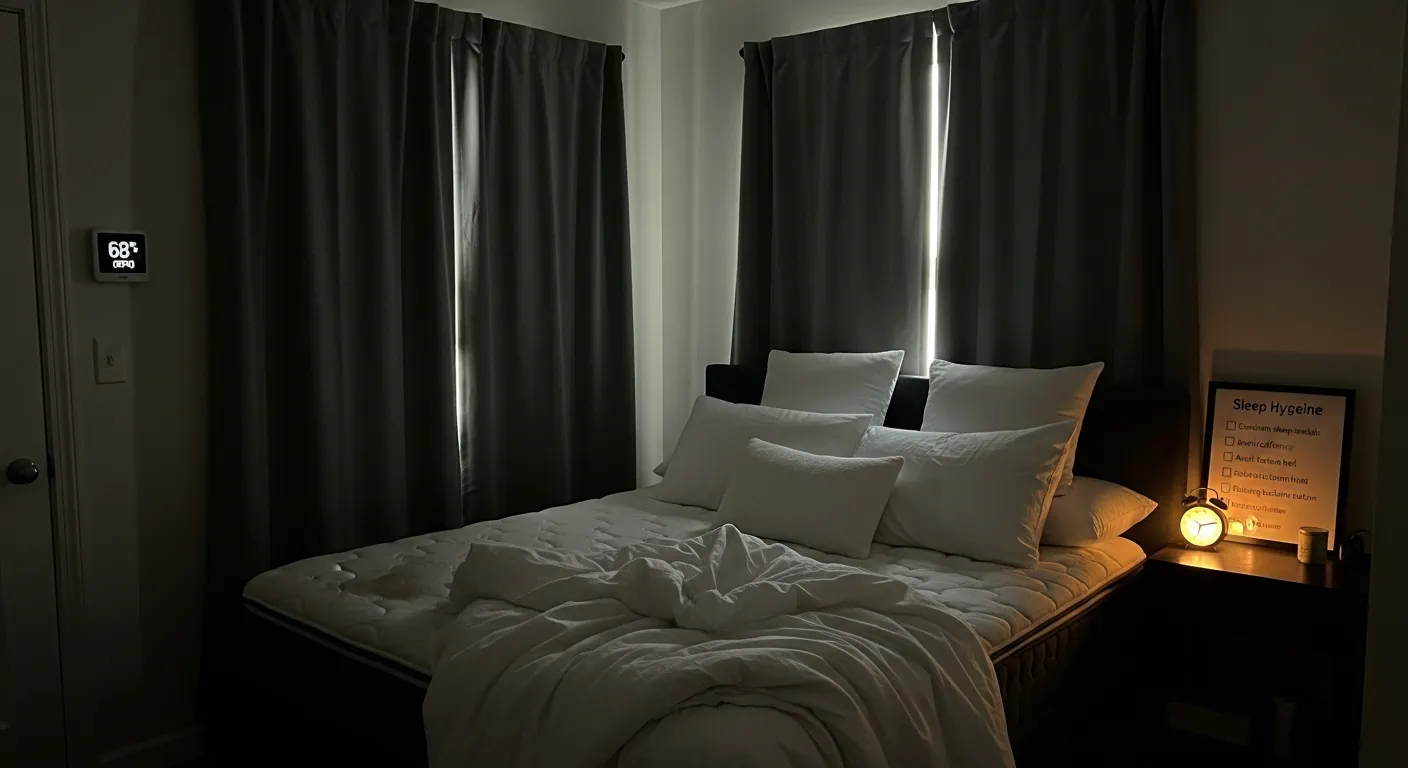
Are you tired of tossing and turning, longing for a night of deep, restorative sleep? You're not alone. Millions struggle with sleep, impacting their health, mood, and daily performance. This comprehensive guide dives into expert sleep strategies, offering a clear and actionable path to achieving the restful nights you deserve. We’ll explore proven techniques, the science behind sleep, and how to build sustainable habits that transform your sleep quality.
Key Takeaways:
- Understand Your Sleep Cycle: Learn about the stages of sleep and why each is crucial.
- Optimize Your Sleep Environment: Discover how to create a sanctuary conducive to rest.
- Master Relaxation Techniques: Implement proven methods to calm your mind before bed.
- Nurture Healthy Sleep Habits: Build a consistent routine for long-term sleep success.
- Address Common Sleep Disruptors: Identify and overcome obstacles to peaceful slumber.
The Science Behind Restful Nights: Understanding Your Sleep Needs
Achieving restful nights isn't just about lying down; it's about understanding the intricate biological processes that govern our sleep. Sleep is not a passive state but an active period where our bodies and brains perform vital restorative functions. Our expert sleep strategies begin with this foundational knowledge.
The Stages of Sleep Explained
Sleep occurs in cycles, each lasting approximately 90 to 110 minutes, repeating several times throughout the night. These cycles consist of two main types of sleep:
- Non-Rapid Eye Movement (NREM) Sleep: This stage is further divided into three substages.
- NREM Stage 1: The transition from wakefulness to sleep, characterized by light sleep.
- NREM Stage 2: A period of deeper sleep where heart rate and body temperature drop.
- NREM Stage 3: Deep sleep or slow-wave sleep, crucial for physical repair, growth hormone release, and immune system function. This is the most restorative stage.
- Rapid Eye Movement (REM) Sleep: This stage is associated with vivid dreaming, muscle paralysis, and increased brain activity. REM sleep is vital for cognitive functions like memory consolidation, learning, and emotional regulation.
Disruptions to these cycles, particularly insufficient deep or REM sleep, can lead to daytime fatigue, impaired concentration, and irritability. Understanding these stages helps us appreciate why consistent, quality sleep is so vital for overall well-being. For more detailed information on sleep architecture, readers can explore resources on sleep science and chronobiology.
Optimizing Your Sleep Environment: Creating a Restful Sanctuary
Your bedroom environment plays a significant role in your ability to fall asleep and stay asleep. Implementing expert sleep strategies often starts with making simple yet impactful changes to your sleep space.
The Pillars of an Ideal Sleep Environment
- Darkness: Your body's natural sleep-wake cycle, or circadian rhythm, is highly sensitive to light. Even small amounts of light can disrupt melatonin production, a hormone crucial for sleep.
- Action: Use blackout curtains, cover any electronic lights, or wear a comfortable eye mask.
- Cool Temperature: A slightly cooler room temperature is generally optimal for sleep. Research suggests that a temperature between 60-67°F (15-19°C) can promote deeper sleep.
- Action: Adjust your thermostat, use a fan, or choose breathable bedding.
- Quiet: Noise can easily interrupt sleep, especially as you cycle through lighter sleep stages.
- Action: Use earplugs, a white noise machine, or a fan to create a consistent, soothing soundscape that masks disruptive noises.
- Comfort: Your mattress, pillows, and bedding should support your body and promote comfort. Investing in quality sleep accessories can make a significant difference.
- Action: Ensure your mattress is supportive and your pillows align your head and neck properly. Consider breathable, hypoallergenic materials.
By meticulously crafting a sleep sanctuary that prioritizes darkness, coolness, quiet, and comfort, you create an environment that signals to your brain it's time for rest, forming a crucial part of expert sleep strategies.
Mastering Relaxation Techniques for Better Sleep
A racing mind is a common barrier to sleep. Integrating relaxation techniques into your evening routine can effectively quiet the mental chatter and prepare your body for rest. These are fundamental expert sleep strategies for anyone struggling with pre-sleep anxiety or racing thoughts.
Proven Relaxation Methods
- Deep Breathing Exercises: Simple yet powerful, deep breathing activates the parasympathetic nervous system, promoting a state of calm.
- Technique: Try the 4-7-8 method: inhale for 4 seconds, hold for 7 seconds, exhale for 8 seconds. Repeat several times.
- Progressive Muscle Relaxation (PMR): This technique involves tensing and then releasing different muscle groups in your body, helping to alleviate physical tension.
- Technique: Start with your toes, then move upwards, tensing each muscle group for 5-10 seconds before releasing and noticing the feeling of relaxation.
- Mindfulness and Meditation: Focusing your attention on the present moment without judgment can reduce stress and anxiety.
- Technique: Guided meditations, body scans, or simply focusing on your breath can be effective. Numerous apps offer guided sessions tailored for sleep.
- Gentle Stretching or Yoga: Light physical activity can release pent-up tension and promote a sense of calm. Avoid vigorous exercise close to bedtime.
- Technique: Focus on poses that open the chest, release hip tension, and calm the nervous system, like child's pose or gentle twists.
These techniques, when practiced consistently, retrain your brain to associate the evening with tranquility rather than stress, a cornerstone of expert sleep strategies. For individuals interested in deeper stress management, exploring resources on mindfulness-based stress reduction (MBSR) can offer further insights.
Building Healthy Sleep Habits: The Foundation of Restful Nights
Consistency is key to regulating your body's internal clock and establishing a healthy sleep pattern. Implementing expert sleep strategies that focus on habit formation can yield long-term benefits.
Creating a Sustainable Sleep Routine
- Consistent Sleep Schedule: Go to bed and wake up around the same time every day, even on weekends. This reinforces your body's natural sleep-wake cycle.
- Differentiated Insight: While consistency is paramount, some flexibility may be acceptable. A 2023 study published in the Journal of Sleep Research indicated that slight variations (within 60-90 minutes) on weekends might not significantly disrupt the circadian rhythm for all individuals, though significant deviations should be avoided.
- Wind-Down Routine: Dedicate 30-60 minutes before bed to calming activities that signal to your body it's time to transition to sleep.
- Examples: Reading a physical book, taking a warm bath, listening to calming music, or journaling.
- Limit Screen Time Before Bed: The blue light emitted from electronic devices can suppress melatonin production and interfere with sleep onset.
- Action: Aim to put away phones, tablets, and computers at least an hour before sleep. If you must use screens, consider blue-light filtering glasses or settings.
- Watch Your Diet and Drink Intake: Avoid heavy meals, caffeine, and alcohol close to bedtime.
- Caffeine: Effects can last for hours.
- Alcohol: While it may induce sleepiness initially, it disrupts sleep later in the night.
- Heavy Meals: Can cause discomfort and indigestion.
- Regular Physical Activity: Exercise can significantly improve sleep quality, but timing is crucial. Avoid intense workouts within 2-3 hours of bedtime.
These habits, when ingrained, become automatic, making the transition to sleep smoother and enhancing the overall restorative quality of your rest. Readers may find additional guidance in articles discussing the impact of lifestyle choices on sleep hygiene.
Addressing Common Sleep Disruptors
Even with the best intentions, certain factors can derail even the most well-laid sleep plans. Understanding and addressing these common sleep disruptors is a vital component of expert sleep strategies.
Navigating Obstacles to Sleep
- Stress and Anxiety: A prevalent issue that keeps the mind active.
- Solution: Incorporate daily stress-management techniques, journaling, or speaking with a therapist.
- Environmental Factors: Room too bright, noisy, or uncomfortable.
- Solution: Revisit your sleep environment optimization strategies.
- Poor Sleep Hygiene: Inconsistent schedules, late-night screen use, caffeine intake.
- Solution: Diligently adhere to your established sleep routine.
- Underlying Medical Conditions: Sleep apnea, restless legs syndrome, chronic pain, or hormonal changes.
- Solution: Consult a healthcare professional for diagnosis and treatment. A 2024 report from the National Sleep Foundation highlighted the increasing recognition of sleep disorders as significant public health concerns.
- Medications: Some prescription or over-the-counter drugs can interfere with sleep.
- Solution: Discuss potential side effects with your doctor or pharmacist.
By proactively identifying and mitigating these common disruptors, you pave the way for more consistent, high-quality sleep, embodying the practical application of expert sleep strategies.
Advanced Expert Sleep Strategies and Latest Trends
Beyond the foundational principles, some advanced techniques and emerging trends offer further avenues for optimizing sleep.
Cutting-Edge Approaches to Sleep Optimization
- Circadian Rhythm Tuning: Aligning your sleep-wake cycle with your natural biological clock. This involves strategic exposure to natural light in the morning and dimming lights in the evening.
- Latest Trend: Wearable devices are increasingly offering personalized circadian rhythm insights and light exposure recommendations.
- Cognitive Behavioral Therapy for Insomnia (CBT-I): Widely considered the gold standard for chronic insomnia, CBT-I addresses the thoughts and behaviors that perpetuate sleep problems.
- Differentiated Value: Unlike passive solutions, CBT-I actively empowers individuals to change their relationship with sleep. It's often more effective long-term than medication. A meta-analysis in JAMA Psychiatry (2025) reaffirmed CBT-I's efficacy and long-term benefits.
- Sleep Tracking Technology: While not a solution in itself, data from sleep trackers can provide valuable insights into sleep patterns, helping to identify potential issues and track the effectiveness of implemented strategies. However, it's crucial to interpret this data with a healthcare professional.
These advanced strategies, combined with the foundational principles, offer a holistic approach to achieving profoundly better sleep.
Frequently Asked Questions About Expert Sleep Strategies
Q1: How quickly can I expect to see results from these sleep strategies? A1: Results vary depending on individual factors and consistency. Some individuals notice improvements within a week, while for others, it may take several weeks of dedicated practice to establish new habits and experience significant benefits.
Q2: Is it okay to use sleep aids if I'm trying these strategies? A2: While short-term use of over-the-counter sleep aids might offer temporary relief, they don't address the root causes of sleep issues. It's best to consult a healthcare professional before relying on sleep aids, especially if you're implementing expert sleep strategies.
Q3: Can diet significantly impact my sleep? A3: Yes, diet plays a crucial role. Avoiding heavy meals, caffeine, and alcohol close to bedtime can prevent digestive discomfort and stimulant effects that disrupt sleep. Certain nutrients, like magnesium and tryptophan, are also linked to better sleep quality.
Q4: What if I still can't sleep after trying these methods? A4: If you consistently struggle with sleep despite implementing these expert sleep strategies, it's essential to consult a healthcare professional. They can help rule out underlying medical conditions or sleep disorders that may require specific treatment.
Conclusion: Your Journey to Restful Nights
Embarking on the path to better sleep is a journey, not a destination. By understanding the science of sleep, optimizing your environment, mastering relaxation, and building consistent habits, you are well on your way to experiencing the profound benefits of truly restful nights. These expert sleep strategies provide a robust framework for improvement.
Don't let another night of poor sleep hold you back. Start implementing these strategies today and reclaim your energy, focus, and well-being.
What are your biggest sleep challenges? Share your thoughts and experiences in the comments below, and let's continue this conversation!
For further exploration, consider delving into related topics such as stress management techniques or the impact of nutrition on sleep quality.