Creating the Perfect Sleep Environment for Deeper Sleep
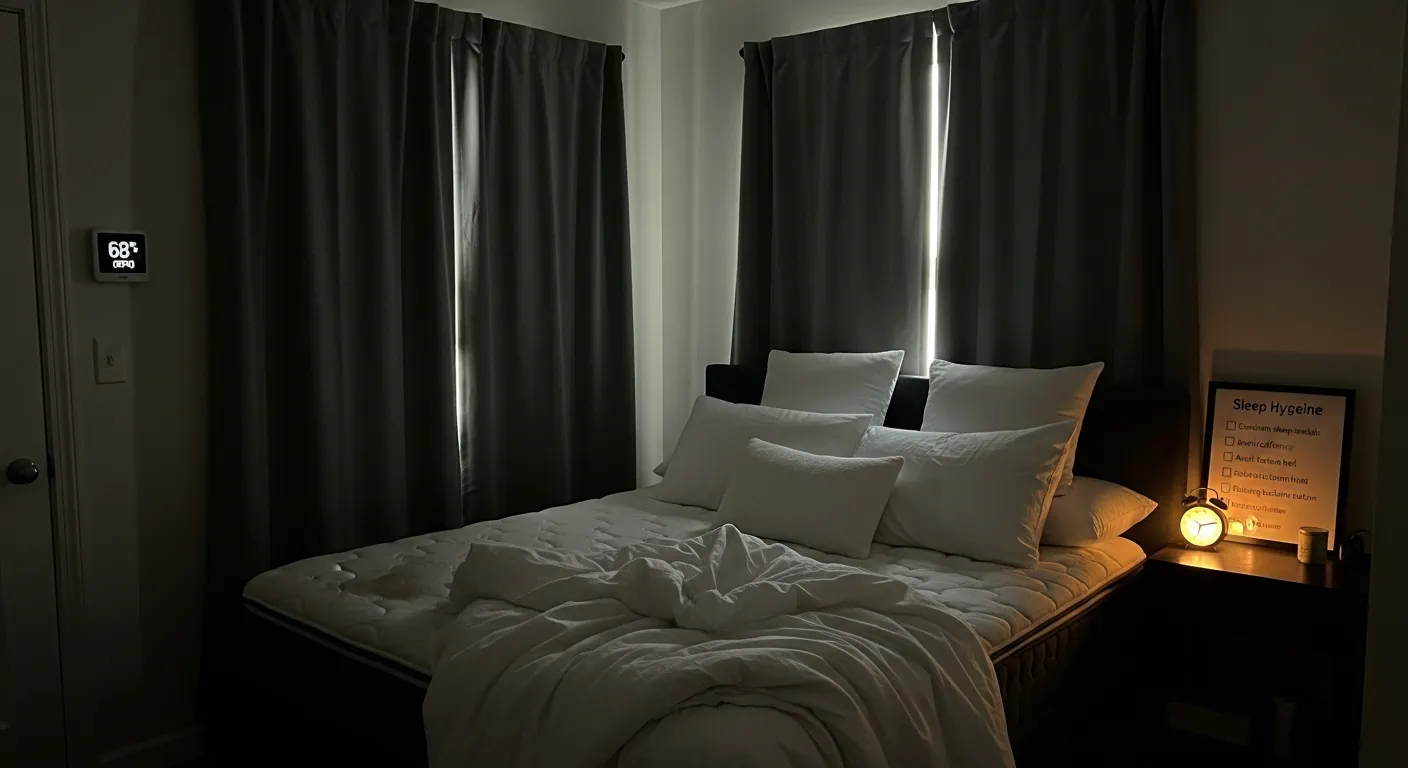
Achieving Restful Nights: Crafting Your Ideal Sleep Sanctuary
In today's fast-paced world, achieving consistently deep and restorative sleep can feel like an elusive luxury. Yet, the quality of our sleep profoundly impacts our physical health, mental clarity, and emotional well-being. While many factors contribute to sleep quality, one of the most controllable and impactful is the sleep environment itself. By optimizing your bedroom for sleep, you can unlock deeper rest and wake up feeling more refreshed and energized. This guide will walk you through the essential elements of creating the perfect sleep environment for deeper sleep.
Here are the key takeaways for optimizing your sleep space:
- Mastering the Darkness: Understanding the critical role of complete darkness in melatonin production.
- Temperature Control: Finding the optimal cool temperature for uninterrupted sleep.
- Minimizing Sound: Strategies for creating a peaceful and quiet sanctuary.
- Comfort and Support: Selecting the right mattress and pillows for your body.
- Air Quality Matters: Ensuring fresh, breathable air for a healthier sleep.
The Pillars of a Perfect Sleep Environment
Transforming your bedroom into a sleep haven involves focusing on several key sensory inputs: light, temperature, sound, and comfort. When these elements are aligned with your body's natural sleep-wake cycles, they signal to your brain that it's time to rest, facilitating a smoother transition into and through the stages of deep sleep.
The Power of Darkness: Embracing the Night
Light is arguably the most significant environmental cue that influences our circadian rhythm, the body's internal 24-hour clock. Exposure to light, especially blue light emitted from electronic devices, signals to your brain that it's daytime, suppressing the production of melatonin, the hormone crucial for sleep.
- Complete Blackout: The ultimate goal is a dark bedroom. Even small amounts of light can disrupt sleep architecture, particularly REM sleep.
- Invest in blackout curtains or blinds. Ensure they fit snugly to prevent light seepage from edges.
- Cover any LED indicator lights on electronics with tape or a specialized sticker.
- Consider an eye mask as a supplementary measure if complete darkness in the room is challenging.
- The Role of Melatonin: Melatonin production naturally increases as darkness falls, signaling to your body that it's time to wind down. By creating a dark environment in the hours before bed and throughout the night, you support this natural process. This is why sleep tracking devices often monitor light exposure patterns.
Temperature Regulation: The Sweet Spot for Sleep
The ideal sleep temperature is cooler than most people realize. Your body's core temperature naturally drops as you prepare for sleep and continues to decrease during the night. A room that is too warm can interfere with this natural cooling process, leading to restless sleep and frequent awakenings.
- Optimal Range: Most sleep experts recommend a bedroom temperature between 60-67°F (15-19°C). However, this can vary slightly from person to person.
- Experimentation is Key: Use a thermostat to find your personal sweet spot within this range. Small adjustments can make a significant difference.
- Cooling Solutions:
- Fans: A ceiling fan or oscillating fan can circulate air and create a cooling effect.
- Breathable Bedding: Opt for natural, breathable fabrics like cotton, linen, or bamboo for your sheets and duvet.
- Cooling Mattresses/Pads: Consider specialized mattresses or mattress toppers designed to dissipate heat.
- Differentiated Insight: Recent research in sleep technology highlights the benefits of personalized temperature regulation. Some advanced smart thermostats can now learn your sleep patterns and automatically adjust the room temperature throughout the night to optimize sleep stages. This level of precision was not available even a few years ago.
Sound Sanctuary: Silencing the World
Noise pollution is a major disruptor of sleep. Unexpected sounds – traffic, snoring partners, household noises – can jolt you awake or prevent you from reaching deeper sleep stages. Creating a sound sanctuary is crucial for uninterrupted rest.
- Soundproofing Basics: While complete soundproofing is difficult and expensive, you can take steps to minimize external noise.
- Seal Gaps: Ensure windows and doors are well-sealed to prevent sound from entering.
- Soft Furnishings: Rugs, carpets, and heavy curtains can help absorb sound within the room.
- Masking Noise: For persistent low-level noise, white noise or pink noise machines can be highly effective. These devices produce a consistent, soothing sound that masks more disruptive noises.
- White noise contains all audible frequencies at equal intensity.
- Pink noise has equal energy per octave, which can sound deeper and more natural.
- Earplugs: High-quality, comfortable earplugs can be a lifesaver for light sleepers or those with noisy environments.
- Differentiated Insight: Emerging sleep technologies include personalized soundscapes that adapt to your sleep cycle. Some apps and devices can monitor your sleep stages and play specific sounds or music that are scientifically proven to enhance deep sleep and reduce awakenings, rather than just masking noise.
Comfort and Support: The Foundation of Rest
Your mattress and pillows are the literal foundation of your sleep. Investing in quality, supportive bedding tailored to your body and sleeping position is paramount for comfort and spinal alignment.
- Choosing the Right Mattress:
- Firmness: This is highly personal, but generally, a medium-firm mattress offers a good balance of support and pressure relief for most sleepers.
- Material: Options include innerspring, memory foam, latex, and hybrid. Each offers different levels of support, contouring, and heat retention.
- Sleeping Position: Side sleepers often benefit from softer mattresses that cushion the hips and shoulders. Back and stomach sleepers may need firmer support to maintain spinal alignment.
- Trial Periods: Look for mattresses with generous trial periods (90-120 nights) to ensure it's the right fit for you.
- Pillow Power:
- Alignment: Your pillow should keep your head and neck aligned with your spine.
- Side Sleepers: Typically need a firmer, thicker pillow to fill the gap between the shoulder and head.
- Back Sleepers: Need a medium-thickness pillow to support the natural curve of the neck.
- Stomach Sleepers: Should opt for a very thin, soft pillow or no pillow at all to avoid neck strain.
- Bedding Materials: Prioritize natural, breathable materials like cotton, linen, and Tencel. These wick away moisture and regulate temperature, contributing to a more comfortable sleep.
Air Quality: Breathing Easy for Better Sleep
The air you breathe in your bedroom significantly impacts your sleep quality and overall health. Stale, dry, or allergen-filled air can lead to congestion, headaches, and disrupted sleep.
- Ventilation:
- Regular Airing: Open windows for at least 15-30 minutes daily, even in cooler months, to refresh the air.
- Air Purifiers: Consider using an air purifier with a HEPA filter, especially if you suffer from allergies or live in an area with poor air quality. This can remove dust, pollen, pet dander, and other airborne irritants.
- Humidity Levels:
- Ideal Range: The ideal humidity level for sleep is typically between 30-50%.
- Humidifiers/Dehumidifiers: Use a humidifier if the air is too dry (which can irritate airways) or a dehumidifier if it's too humid (which can encourage mold growth and dust mites).
- Plants: Certain houseplants, like snake plants or spider plants, can help filter indoor air, though their impact is less significant than dedicated air purifiers.
- Differentiated Insight: Smart home technology is increasingly integrating air quality monitoring. Devices can now track CO2 levels, VOCs (volatile organic compounds), and particulate matter, automatically adjusting ventilation or air purification based on real-time data, providing a proactive approach to maintaining optimal sleep air.
Beyond the Basics: Advanced Sleep Environment Strategies
Once you've established the core elements, consider these advanced tips for further enhancement.
- Declutter Your Space: A tidy bedroom promotes a calm mind. Clutter can be visually stimulating and contribute to feelings of stress, hindering relaxation.
- Mindful Technology Use: Keep electronics, especially smartphones and tablets, out of the bedroom or at least powered off and out of sight during sleep. The temptation to scroll can be a major sleep thief.
- Aromatherapy: Certain essential oils, like lavender, have been shown to promote relaxation and improve sleep quality. Use a diffuser sparingly in your bedroom.
- The Importance of Routine: While not strictly environmental, a consistent bedtime routine that involves winding down in your optimized sleep space reinforces the connection between your bedroom and rest.
Frequently Asked Questions About Creating a Sleep Environment
Q1: What is the ideal temperature for sleeping? The generally recommended temperature range for sleep is between 60-67°F (15-19°C). This cooler environment supports your body's natural thermoregulation process, which is essential for falling asleep and staying asleep through the night.
Q2: How can I make my bedroom darker for better sleep? To achieve optimal darkness, use blackout curtains or blinds, cover any electronic indicator lights, and consider wearing a comfortable eye mask if necessary. Complete darkness is vital for melatonin production.
Q3: Is white noise or pink noise better for sleep? Both white noise and pink noise can effectively mask disruptive sounds and promote sleep. White noise contains all frequencies equally, while pink noise is more balanced and can sound deeper. Experimenting with both can help you discover which you find more soothing.
Q4: How often should I replace my mattress and pillows? Mattresses typically need replacement every 7-10 years, depending on quality and use. Pillows should ideally be replaced every 1-2 years to maintain their support and hygiene, as they can harbor allergens and lose their loft.
Conclusion: Invest in Your Sleep, Invest in Your Well-being
Creating the perfect sleep environment is not about achieving an unattainable ideal; it’s about making conscious, informed choices to support your body's natural need for rest. By focusing on darkness, temperature, sound, comfort, and air quality, you can transform your bedroom into a sanctuary that promotes deeper, more restorative sleep.
The impact of quality sleep extends far beyond feeling refreshed; it influences your mood, cognitive function, immune system, and long-term health. Take the steps outlined in this guide to optimize your sleep space and experience the profound benefits of truly restful nights.
Ready to take your sleep to the next level? Share your own tips for creating a perfect sleep environment in the comments below, or subscribe to our newsletter for more insights into sleep science and technology.
For further exploration into sleep optimization, you might find articles on the benefits of sleep tracking devices or the impact of light exposure on circadian rhythms particularly useful.