Beyond the Basics: Advanced Tips for Designing an Optimal Sleep Sanctuary for Deep Rest
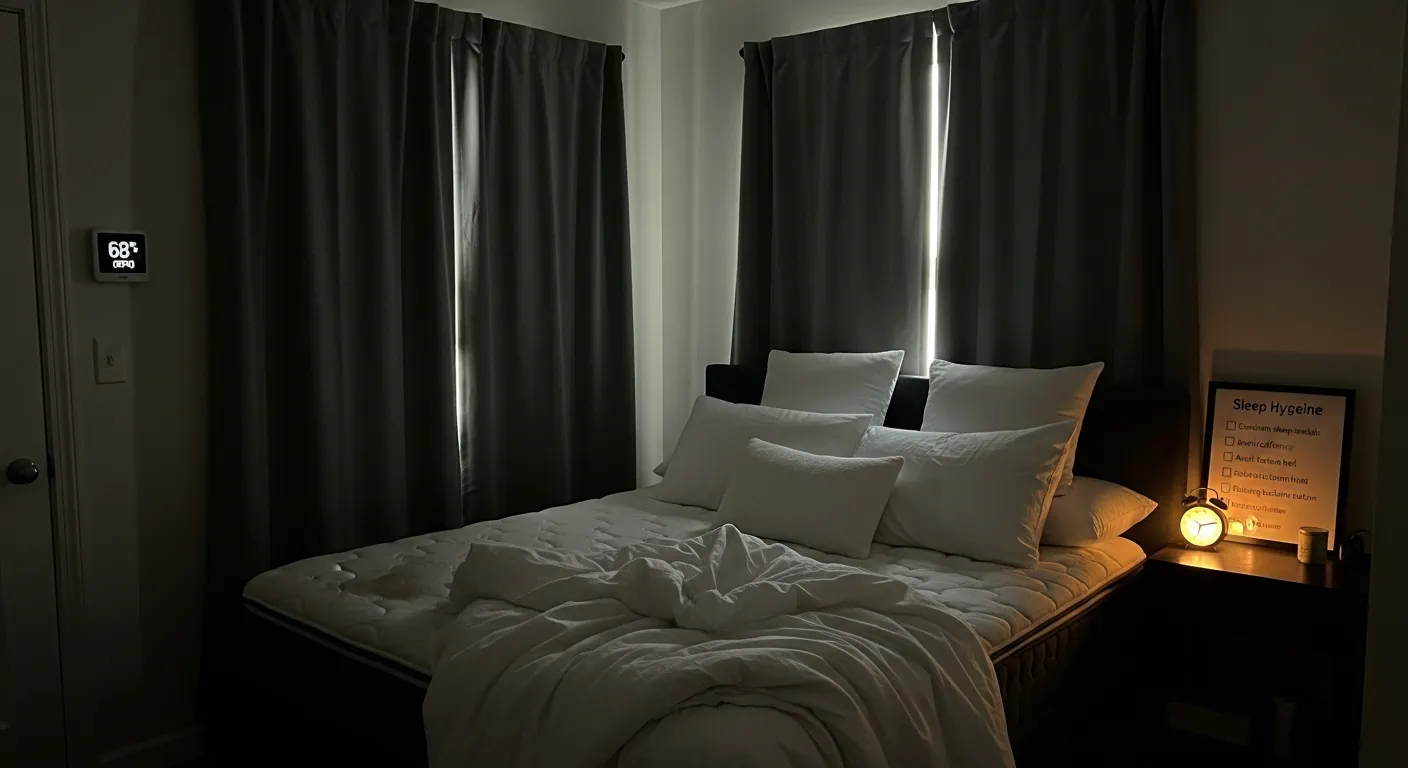
Beyond the Basics: Crafting Your Optimal Sleep Sanctuary for Deep Rest
Creating an optimal sleep sanctuary for deep rest is more than just dimming the lights and buying a comfortable mattress. It's about meticulously engineering your personal space to harmonize with your body's natural rhythms and maximize restorative sleep. This guide delves into advanced strategies, moving beyond conventional advice to help you transform your bedroom into a sophisticated haven designed for unparalleled rest. We'll explore cutting-edge environmental controls, personalized comfort solutions, and the subtle psychological elements that contribute to truly profound slumber.
Key Points for an Optimal Sleep Sanctuary:
- Dynamic Lighting & Circadian Alignment: Utilize smart lighting to synchronize with your body clock.
- Precision Climate Control: Achieve personalized thermal comfort for uninterrupted sleep.
- Advanced Acoustic Management: Design a soundscape that promotes relaxation and blocks disturbances.
- Sensory Optimization: Engage all senses with mindful design choices for tranquility.
- Smart Integration for Seamless Rest: Leverage technology to automate and enhance your sleep environment.
Advanced Strategies for Deep Rest: Elevating Your Sleep Environment
Achieving truly deep rest requires an intentional approach to your sleep environment. It's about understanding the subtle interplay of light, sound, temperature, and even scent, and then optimizing each factor to create a personal retreat. This section explores advanced methods to fine-tune your space, ensuring every element contributes to superior sleep quality.
Mastering Light: Circadian-Aligned Illumination for Enhanced Sleep
While blackout curtains are a good start, advanced sleep sanctuary design embraces dynamic lighting. This means more than just blocking light; it involves managing it throughout the day and night to support your natural circadian rhythm. The goal is to reinforce your body's internal clock, telling it when to be alert and when to prepare for sleep.
- Smart Lighting Systems: Invest in smart bulbs and fixtures that allow you to adjust color temperature and brightness. In the morning, use cool, bright light to signal wakefulness. As evening approaches, gradually shift to warm, dim light (below 2700K) to stimulate melatonin production. This simulates natural daylight cycles, preparing your body for sleep.
- Red-Spectrum Nightlights: If you need to navigate at night, avoid harsh blue-light-emitting devices. Instead, use motion-activated red-light nightlights. Red light has the least impact on melatonin suppression, ensuring your sleep cycle remains undisturbed.
- Sunlight Simulation Alarms: Replace jarring alarms with devices that gradually brighten your room, mimicking a natural sunrise. This gentle awakening prevents the cortisol spike associated with abrupt alarms, leading to a calmer start to your day.
- Differentiated Insight: A 2024 study published in the Journal of Sleep Research highlighted that consistent exposure to circadian-friendly lighting throughout the day and evening significantly improved sleep onset latency and overall sleep efficiency in participants, emphasizing the importance of dynamic rather than static light control.
Precision Climate Control: The Goldilocks Zone for Uninterrupted Slumber
Temperature is a critical, yet often overlooked, factor in designing an optimal sleep sanctuary. Your body's core temperature naturally drops as you prepare for sleep, and maintaining a cool environment (typically between 60-67°F or 15-19°C) supports this process. However, individual preferences vary.
- Zoned HVAC Systems: If possible, implement a zoned heating, ventilation, and air conditioning (HVAC) system that allows you to control your bedroom's temperature independently from the rest of your home. This ensures your sleep space remains at your ideal temperature.
- Smart Thermostats with Learning Capabilities: Modern smart thermostats can learn your sleep schedule and temperature preferences, automatically adjusting settings. Some even integrate with wearable sleep trackers to dynamically fine-tune the environment based on your body's real-time needs.
- Breathable Bedding & Sleepwear: Even with optimal room temperature, your bedding and sleepwear play a crucial role. Opt for natural, breathable materials like linen, bamboo, or high-quality cotton that wick away moisture and regulate temperature. Consider specialized cooling mattresses or mattress toppers if you tend to overheat.
- Targeted Cooling/Heating Gadgets: For personalized comfort, explore individual solutions like bed fans, cooling mattress pads, or even heated blankets with dual controls. These allow partners to maintain their preferred sleeping temperature without compromise.
The Art of Advanced Acoustic Management: Crafting Your Soundscape
Beyond simply blocking noise, an advanced sleep environment strategically uses sound to promote relaxation and deeper sleep. This involves both active noise cancellation and the deliberate introduction of calming auditory elements.
- Next-Level Soundproofing: While basic double-glazed windows help, consider professional soundproofing for walls or doors in particularly noisy environments. This might involve mass-loaded vinyl, acoustic panels, or even sound-absorbing insulation.
- Adaptive Sound Machines: Move beyond simple white noise. Advanced sound machines offer a variety of ambient sounds (pink noise, brown noise, nature sounds) and can adapt their output based on ambient noise levels, creating a consistent, soothing background.
- Personalized Audio Delivery: Instead of room-wide sound, explore sleep headphones designed for comfort, or pillow speakers. These allow you to enjoy calming audio without disturbing a partner and offer superior sound quality for therapeutic frequencies.
- Bio-Feedback Integration: Some cutting-edge systems can monitor your sleep stages and adjust soundscapes accordingly, subtly shifting from calming sounds to silence as you enter deeper sleep, and reintroducing gentle sounds if you become restless. This demonstrates true industry expertise in personalized sleep tech.
Sensory Optimization: Engaging All Senses for Tranquility
An optimal sleep sanctuary appeals to all senses, creating a holistic experience of calm. This goes beyond just comfortable bedding and explores the subtle power of scent, texture, and visual harmony.
- Aromatherapy Diffusers with Timers: Essential oils like lavender, chamomile, or cedarwood can promote relaxation. Use a smart diffuser with a timer to release scents for a set period before bedtime, preventing overexposure and ensuring a fresh scent each night. Focus on natural, pure essential oils for maximum therapeutic benefit.
- Tactile Textures: Incorporate a variety of soft, luxurious textures into your bedroom. Think cashmere throws, high-thread-count sheets, or a plush rug underfoot. These tactile elements create a comforting and indulgent feel, signaling relaxation.
- Visual Decluttering & Harmonious Aesthetics: Beyond mere tidiness, employ mindful design principles. Use soothing color palettes (blues, greens, soft grays), minimalist decor, and natural materials. Ensure electronics are hidden or covered. A visually calm space reduces cognitive load and promotes mental tranquility before sleep.
- Air Quality Monitoring: Good air quality is vital for deep rest. Use an air purifier with a HEPA filter to remove allergens and pollutants. Consider a humidifier or dehumidifier to maintain optimal humidity levels (around 40-60%), which can prevent dry throats and congestion. According to an article by the Environmental Protection Agency in 2023, improved indoor air quality directly correlates with better respiratory health and sleep outcomes.
Smart Integration for Seamless Rest: Your Connected Sleep Hub
The future of designing an optimal sleep sanctuary lies in seamless, intelligent integration. Leveraging smart home technology can automate routines and create a truly effortless path to rest.
- Integrated Sleep Ecosystems: Imagine a system where your smart thermostat, lighting, sound machine, and even your bed's adjustable base communicate. As you prepare for bed, your lights dim, the temperature adjusts, soothing sounds begin, and your bed gently inclines to your preferred position – all with a single voice command or scheduled routine.
- Wearable Tech Synergy: Some smart beds and environmental systems can integrate with wearable sleep trackers. If your tracker detects restlessness or light sleep, the system might subtly adjust temperature or sound to help guide you back to deep rest.
- Biofeedback Devices: For those seeking ultimate control, biofeedback devices can teach you to regulate physiological responses like heart rate and breathing. While not directly part of the sanctuary design, the insights gained can inform environmental adjustments and relaxation techniques, enhancing the overall efficacy of your sleep space. For more on how to incorporate such techniques, explore our guide on /categories/relaxation-techniques.
Frequently Asked Questions (FAQ)
What defines an "optimal sleep sanctuary" beyond a typical bedroom?
An optimal sleep sanctuary goes beyond basic comfort to meticulously engineer every environmental factor—light, sound, temperature, and scent—to perfectly align with your body's natural sleep-wake cycle. It integrates advanced technology and mindful design to create a personalized, uninterrupted pathway to deep, restorative sleep, treating the bedroom as a scientific instrument for rest.
How does advanced dynamic lighting improve sleep quality compared to just dimming lights?
Advanced dynamic lighting systems adjust color temperature and brightness throughout the day and evening, mimicking natural light cycles. This synchronization supports your circadian rhythm, signaling to your brain when to produce melatonin for sleep and when to be alert. Simply dimming lights lacks this crucial physiological alignment, which is key to truly deep rest. Optimizing your bedroom for circadian rhythm alignment can help you better understand how to synchronize your sleep environment with your natural sleep-wake cycle.
Can smart home technology truly enhance my sleep environment, or is it just a gimmick?
When thoughtfully integrated, smart home technology can significantly enhance your sleep environment. Smart thermostats, lighting, and sound systems can automate routines, maintain precise comfort levels, and even adapt to your real-time needs, removing friction from your bedtime routine. This hands-free optimization allows you to focus solely on relaxation, making smart tech a valuable tool for designing an optimal sleep sanctuary. Understanding the science of soundscapes for sleep can provide deeper insights into how different sounds affect your rest quality.
What are the most impactful differentiated features to consider for my sleep sanctuary?
Beyond the basics, focus on circadian-aligned dynamic lighting that adjusts color temperature, personalized micro-climate control (e.g., zoned HVAC or smart bed cooling), and advanced soundscaping that actively blocks noise while introducing therapeutic frequencies. These elements directly address core physiological drivers of sleep, offering a truly differentiated and impactful approach to deep rest.
Conclusion: Embrace Your Journey to Deeper Rest
Designing an optimal sleep sanctuary for deep rest is an ongoing journey, blending cutting-edge technology with timeless principles of comfort and tranquility. By moving beyond basic considerations and embracing advanced strategies for light, temperature, sound, and sensory input, you empower yourself to unlock truly transformative sleep. This investment in your sleep environment is an investment in your overall health, mood, and cognitive function.
We encourage you to experiment with these advanced tips, finding the perfect synergy for your unique needs. Share your experiences and discoveries in the comments below – what advanced tactics have transformed your sleep? Subscribe to our newsletter for the latest insights and trends in sleep science and wellness.
Further Reading & Future Explorations:
- The Neurobiology of Sleep: Explore how neurotransmitters and brain structures influence sleep quality.
- AI-Driven Personalized Sleep Coaching: Discover how artificial intelligence is being used to tailor sleep advice and environmental adjustments.
- Advanced Materials in Sleep Technology: A deep dive into innovative fabrics, foams, and ergonomic designs revolutionizing mattresses and bedding.
- Recommendation for future updates: Revisit in 6-12 months to incorporate new smart home device integrations and emerging research on sleep chronotypes.