Beyond the Basics: Advanced Healthy Sleep Habits for Consistent Rest and Energy
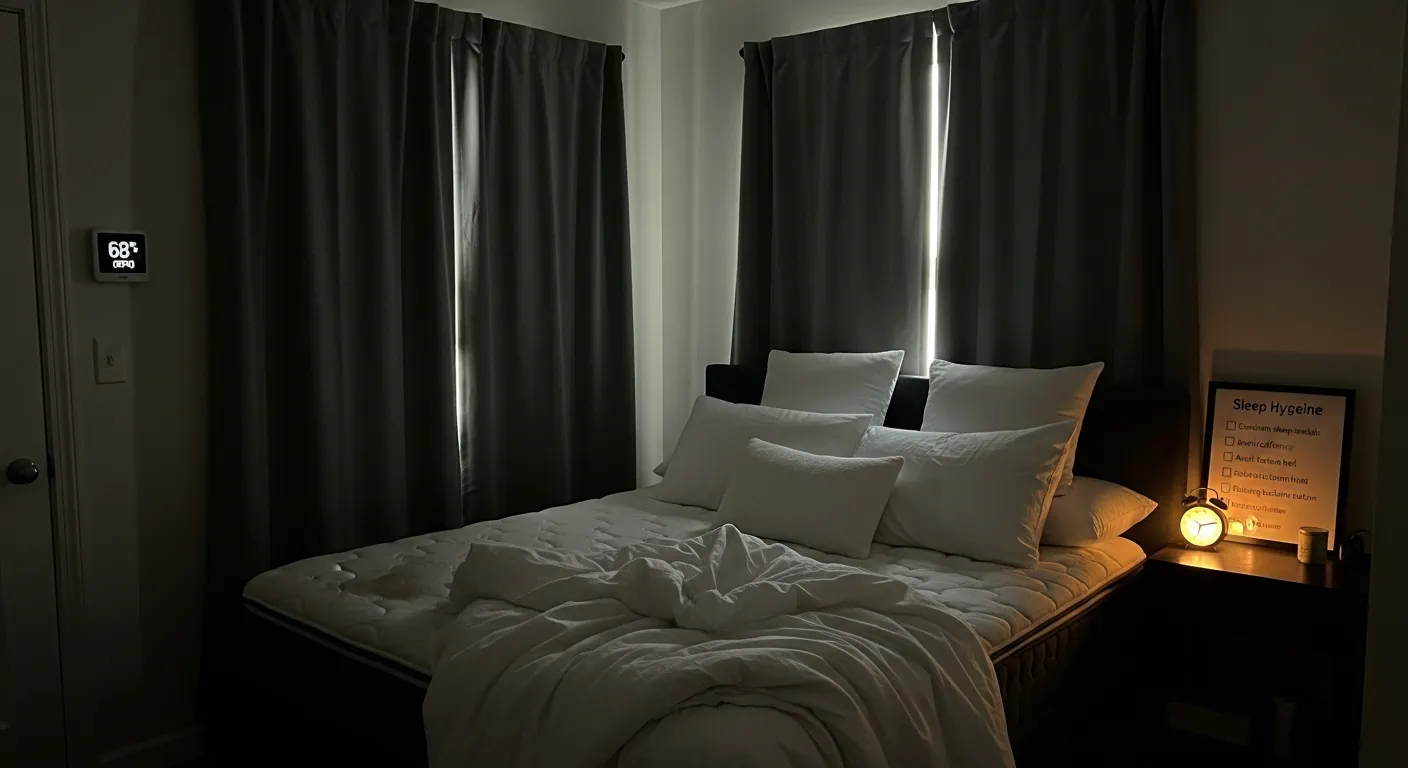
Beyond the Basics: Advanced Healthy Sleep Habits for Consistent Rest and Energy
Many of us understand the fundamental principles of good sleep hygiene: a dark room, consistent bedtime, and avoiding caffeine before bed. However, if you're still struggling with persistent fatigue, inconsistent rest, or a general lack of energy despite following these guidelines, it's time to delve deeper. This article moves beyond the basics, exploring advanced healthy sleep habits and personalized strategies to truly optimize your sleep quality and unlock sustained vitality. We’ll uncover nuanced approaches to nutrition, light exposure, recovery, and even your unique biology to help you achieve profound, consistent rest.
Key Points:
- Personalized Chronotype Alignment: Understand and adapt your schedule to your natural sleep-wake cycle for peak performance.
- Nutritional Timing Strategies: Learn how specific foods and their timing can enhance melatonin production and sleep architecture.
- Advanced Light Management: Go beyond blue light filters to strategically use light for optimal circadian rhythm regulation.
- HRV & Sleep Tracking Insights: Utilize biometric data from wearables to gain deep understanding and refine your sleep interventions.
- Stress & Recovery Integration: Implement targeted techniques to manage stress and promote physiological recovery for better sleep.
Understanding Your Unique Sleep Architecture: The Foundation of Advanced Healthy Sleep Habits
Achieving truly consistent rest and abundant energy begins with a profound understanding of your individual sleep biology. Generic advice often falls short because everyone's internal clock and physiological responses differ. Embracing advanced healthy sleep habits means first acknowledging this individuality. We'll explore how to decode your body's innate rhythms and leverage technology for deeper insights into your sleep quality.
Decoding Your Chronotype for Optimal Performance
Your chronotype is your natural inclination to sleep at a certain time, dictating whether you're a "morning lark" or a "night owl." While many try to force themselves into a conventional 9-to-5 schedule, aligning your activities with your chronotype can significantly boost energy, productivity, and sleep quality. For instance, a study published in the Journal of Clinical Sleep Medicine (2024) highlighted that individuals performing tasks aligned with their chronotype reported reduced fatigue and improved cognitive function.
- Identify Your Chronotype: Observe your natural sleep and wake times when you don't use an alarm. Are you more alert in the morning or evening?
- Schedule Adjustment: If possible, try to shift your work or exercise schedule to match your peak alertness times. For night owls, this might mean later starts or evening creative work.
- Social Jet Lag Mitigation: Minimize the discrepancy between your weekday and weekend sleep schedules to avoid disrupting your internal clock.
Leveraging Sleep Trackers for Deeper Insights into Sleep Quality
While basic sleep trackers count hours, advanced healthy sleep habits benefit from devices that provide granular data on sleep stages (REM, deep, light), heart rate variability (HRV), and even body temperature. These insights move beyond simple sleep duration to reveal the true quality of your rest. For example, consistent low deep sleep could indicate a need for environmental adjustments or lifestyle changes.
- Understand Your Metrics: Don't just collect data; learn what high REM percentages might mean for cognitive function, or how consistent deep sleep influences physical recovery.
- Identify Patterns: Look for correlations between your daily habits (exercise, meals, stress levels) and your sleep metrics. Does a late workout always reduce your deep sleep?
- Test Interventions: Use your tracker to empirically test the effectiveness of new sleep strategies, such as a different pre-bed routine or a new pillow.
Nutritional Nuances for Enhanced Sleep and Consistent Rest
The connection between what you eat and how you sleep is profound, extending far beyond avoiding late-night coffee. To foster advanced healthy sleep habits, we must consider nutrient timing and specific dietary components that actively support sleep-promoting biochemistry. This is a critical aspect of optimizing sleep for energy throughout the day. You can learn more about this connection by visiting our category on Nutrition and Sleep Quality.
Timing Your Macros for Melatonin Optimization
Melatonin, the sleep hormone, is influenced by your diet. Specific macronutrients, when consumed at the right time, can either support or hinder its production. This isn't just about avoiding a heavy meal; it’s about strategic eating.
- Carbohydrates for Tryptophan: A small, easily digestible carbohydrate-rich snack (like a banana or a handful of oats) about 1-2 hours before bed can help ferry tryptophan to the brain, a precursor to serotonin and melatonin.
- Protein Moderation: While protein is essential, very large protein meals close to bedtime can be harder to digest and may keep you awake. Balance is key.
- Healthy Fats: Incorporate omega-3 fatty acids throughout the day, found in fish like salmon, which support overall brain health and potentially sleep regulation.
The Role of Micronutrients and Supplements for Advanced Healthy Sleep Habits
Beyond macros, specific micronutrients play pivotal roles in sleep regulation. Recent research, such as findings highlighted in Nutrients journal (2023), underscores the importance of specific vitamins and minerals. While diet should always be your primary source, targeted supplementation can be a powerful tool when necessary.
- Magnesium: Involved in hundreds of bodily reactions, magnesium helps relax muscles and quiet the nervous system. Many individuals are deficient, making supplementation a consideration.
- Vitamin D: Linked to sleep quality and duration. Ensure adequate sunlight exposure or consider supplementation, especially in darker months.
- Tart Cherry Juice: A natural source of melatonin and tryptophan, some studies suggest it can improve sleep for individuals with insomnia. Consult a healthcare professional before starting any new supplement regimen.
Advanced Environmental and Behavioral Strategies for Deep Sleep
Creating an ideal sleep environment goes beyond mere darkness and quiet. It involves a sophisticated understanding of light exposure, temperature regulation, and deeply ingrained pre-sleep rituals. These deep sleep techniques are vital for unlocking consistent rest.
Beyond Blue Light: Mastering Light Exposure for Circadian Alignment
While blue light blocking glasses are common, a more comprehensive approach to light management involves strategically using all types of light. Your circadian rhythm, the body's 24-hour internal clock, is profoundly influenced by light cues.
- Morning Bright Light: Expose yourself to bright natural light (or a therapy lamp) within 30 minutes of waking. This signals to your brain that it's daytime, boosting alertness and setting your circadian rhythm.
- Sunset Simulation: As evening approaches, transition to warmer, dimmer lights. Avoid harsh overhead lighting. Consider smart lighting systems that gradually dim and change color temperature.
- Strategic Darkness: Ensure your bedroom is completely dark. Even small amounts of light from electronics or streetlights can disrupt melatonin production. Use blackout curtains or an eye mask.
The Power of Pre-Sleep Routines and Mind-Body Connection
A consistent pre-sleep routine acts as a powerful signal to your body that it's time to wind down. This is more than just reading a book; it's about incorporating practices that soothe your nervous system and prepare you for profound sleep.
- Warm Bath or Shower: A slight drop in body temperature after a warm bath can induce sleepiness.
- Mindfulness and Meditation: Incorporate 10-15 minutes of mindfulness meditation or deep breathing exercises. This helps calm an overactive mind, a common barrier to sleep.
- Journaling for Release: If racing thoughts keep you awake, spend a few minutes journaling to offload worries and plan for the next day, then close the book on them until morning.
Integrating Recovery and Stress Management for Sustainable Energy
Chronic stress is a notorious enemy of sleep, elevating cortisol levels and disrupting the delicate balance required for restful nights. True sleep optimization strategies must therefore include proactive measures for stress reduction and physiological recovery. The impact of stress on your sleep cycles is profound, and understanding it can lead to significant improvements in your overall well-being. For further reading, consider exploring articles on managing stress for improved sleep quality.
Heart Rate Variability (HRV) as a Sleep Quality Indicator
Heart Rate Variability (HRV), a measure of the variation in time between heartbeats, is a sophisticated biomarker for stress and recovery. Many advanced sleep trackers now measure HRV during sleep, offering insights into your autonomic nervous system's balance. A higher HRV generally indicates better recovery and resilience to stress.
- Monitor Trends: Don't obsess over daily numbers, but look at long-term HRV trends. A consistent drop in HRV might signal overtraining, increased stress, or impending illness.
- Identify Stressors: Use HRV data to pinpoint lifestyle factors that negatively impact your recovery and sleep. Is it late-night work? Alcohol? Intense evening workouts?
- Optimize Recovery: Implement strategies like meditation, gentle yoga, or increased rest days when your HRV indicates a need for more recovery.
Targeted Stress Reduction Techniques for Consistent Rest
Beyond general wellness, specific techniques can directly counter the physiological effects of stress that impair sleep. Incorporating these into your daily or weekly routine can be a game-changer for those seeking consistent rest.
- Diaphragmatic Breathing: Practice deep belly breathing exercises throughout the day, especially during stressful moments. This activates the parasympathetic nervous system, promoting relaxation.
- Progressive Muscle Relaxation: Tense and then relax different muscle groups sequentially. This technique helps release physical tension often held during stress.
- Cognitive Behavioral Therapy for Insomnia (CBT-I) Principles: While a full CBT-I program requires professional guidance, understanding its principles (like challenging unhelpful sleep thoughts) can be beneficial.
FAQ Section
Q: Can genetic factors influence my ability to adopt advanced healthy sleep habits? A: Absolutely. Genetics play a significant role in determining your chronotype, sleep architecture, and even how your body metabolizes sleep-related compounds. While you can't change your genes, understanding your genetic predispositions can help you tailor advanced healthy sleep habits more effectively. This might involve optimizing light exposure based on your chronotype or adjusting dietary intake of specific micronutrients if you have genetic variants that affect their absorption or utilization for sleep.
Q: How do environmental pollutants or air quality impact deep sleep techniques? A: Environmental factors like indoor air quality can significantly impact sleep. Poor air quality, including high levels of dust, allergens, or volatile organic compounds (VOCs), can cause respiratory irritation, leading to fragmented sleep and reduced deep sleep stages. Utilizing air purifiers, ensuring proper ventilation, and minimizing indoor pollutants are crucial, yet often overlooked, advanced healthy sleep habits that contribute to a truly restorative sleep environment.
Q: Is it possible to "catch up" on sleep over the weekend using advanced methods? A: While extra sleep on weekends can offer some relief, chronic sleep debt cannot be fully repaid. The concept of "social jet lag" (the difference between weekday and weekend sleep schedules) can actually disrupt your circadian rhythm, making it harder to maintain consistent rest. Advanced healthy sleep habits focus on daily consistency rather than weekend overcompensation. Prioritize steady sleep patterns, and if you need extra rest, aim for slightly earlier bedtimes rather than drastically different wake times.
Conclusion: Elevate Your Sleep, Elevate Your Life
Moving beyond basic sleep hygiene to embrace advanced healthy sleep habits is not just about getting more sleep; it's about transforming your quality of life. By understanding your unique chronotype, optimizing your nutrition, mastering light exposure, leveraging technology, and integrating recovery strategies, you can unlock unparalleled levels of consistent rest and sustainable energy. This personalized approach to sleep optimization empowers you to feel more alert, focused, and resilient every single day.
Don't settle for mediocre sleep. Start experimenting with these advanced techniques today and observe the profound impact on your well-being. Share your experiences in the comments below, or subscribe to our newsletter for more cutting-edge insights into health and vitality. For further reading, explore our articles on maximizing your recovery, balancing hormones for better sleep, and the latest in sleep technology, ensuring your journey to optimal rest is continuous and informed.
Recommendations for Future Updates:
- Hormonal Balance for Sleep: Detailed exploration of cortisol, growth hormone, and thyroid's role in sleep architecture.
- Biohacking Sleep with Technology: In-depth review of advanced sleep tech beyond trackers (e.g., smart mattresses, neurofeedback devices).
- Sleep and Cognitive Performance: Specific strategies for optimizing sleep for enhanced memory, creativity, and problem-solving.