Beyond Medication: Evidence-Based Behavioral Techniques for Long-Term Insomnia Relief
Beyond Medication: Evidence-Based Behavioral Techniques for Long-Term Insomnia Relief
Battling insomnia can feel like an unending struggle, often leading individuals down a path of short-term fixes, including medication. While pharmaceuticals can offer temporary reprieve, many seek sustainable, long-term solutions that address the root causes of their sleep difficulties. This article delves into evidence-based behavioral techniques for long-term insomnia relief, providing a comprehensive guide to strategies that empower you to reclaim restful sleep without relying solely on pills. We'll explore methods backed by extensive research, designed to recalibrate your sleep patterns and foster healthy sleep habits.
Key Points:
- CBT-I is the Gold Standard: Cognitive Behavioral Therapy for Insomnia (CBT-I) is the most effective and durable treatment.
- Targeting Root Causes: Behavioral techniques address learned behaviors and cognitive patterns that perpetuate insomnia.
- Sustainable Solutions: These methods offer lasting relief, reducing dependency on medication.
- Holistic Approach: Focuses on sleep environment, daily habits, and thought processes.
- Empowerment: Gives individuals tools and strategies to manage their sleep independently.
Understanding the Limitations of Medication for Sustainable Insomnia Relief
Many people turn to sleep medications when faced with persistent insomnia. While these can provide immediate relief, they often come with drawbacks, including side effects, potential dependency, and a failure to address the underlying issues causing sleep problems. Medications primarily mask symptoms, meaning that once stopped, insomnia often returns if the behavioral and cognitive factors haven't been resolved. For true long-term insomnia relief, a different approach is necessary—one that focuses on sustainable changes.
This is where evidence-based behavioral techniques shine. They aim to retrain your brain and body, fostering a natural ability to fall and stay asleep. Unlike a pill, these techniques equip you with lifelong skills. They help in unlearning maladaptive sleep habits and thought patterns that contribute to wakefulness and anxiety around sleep.
Cognitive Behavioral Therapy for Insomnia (CBT-I): The Ultimate Behavioral Technique for Insomnia Relief
Cognitive Behavioral Therapy for Insomnia, or CBT-I, stands out as the most recommended and effective non-pharmacological treatment for chronic insomnia. It's a structured program that helps identify and replace thoughts and behaviors that cause or worsen sleep problems with habits that promote sound sleep. CBT-I is not a quick fix; it's a process of education and practical application, typically delivered over several sessions with a trained therapist, or through guided digital programs.
The core components of CBT-I are designed to systematically dismantle the cycle of insomnia. Research consistently shows its superiority over medication for enduring results. According to a 2024 meta-analysis published in the Journal of Clinical Sleep Medicine, CBT-I demonstrates an average efficacy rate of over 70% in significantly improving sleep onset and maintenance, with benefits sustained for years post-treatment. Its strength lies in its comprehensive approach, combining several powerful behavioral strategies.
Core Behavioral Techniques for Lasting Insomnia Relief
CBT-I integrates several key techniques, each playing a vital role in restoring healthy sleep. Understanding these components is crucial for anyone seeking long-term insomnia relief without medication.
1. Stimulus Control Therapy (SCT)
Stimulus Control Therapy aims to break the negative association between your bed and wakefulness. When you struggle to sleep in bed, your brain starts to associate the bed and bedroom with frustration and anxiety. SCT helps re-establish the bed as a strong cue for sleep and nothing else.
- Go to bed only when sleepy: Avoid lying in bed awake for extended periods.
- Use the bed exclusively for sleep and sex: Eliminate activities like reading, watching TV, or working in bed.
- If you can't sleep, get out of bed: After 15-20 minutes of wakefulness, leave the bedroom and engage in a quiet, non-stimulating activity until sleepiness returns.
- Maintain a consistent wake-up time: Even on weekends, this reinforces your circadian rhythm.
This technique is incredibly effective at recalibrating your brain's association with the sleep environment.
2. Sleep Restriction Therapy (SRT)
This counter-intuitive technique actually involves restricting the amount of time you spend in bed to match the amount of time you are actually sleeping. The goal is to induce mild sleep deprivation, making you fall asleep faster and sleep more deeply. This increases your sleep efficiency (the proportion of time spent asleep while in bed).
- Calculate current sleep duration: Keep a sleep diary for a week to estimate how much sleep you typically get.
- Set a new "sleep window": Initially, this window will be close to your estimated sleep duration, but never less than 5 hours.
- Gradually increase time in bed: As your sleep efficiency improves (e.g., reaching 85-90% asleep time), you slowly extend your time in bed by 15-20 minutes every few days.
SRT is one of the most powerful components of CBT-I for consolidating fragmented sleep.
3. Cognitive Restructuring
Insomnia is often fueled by unhelpful thoughts and worries about sleep. Cognitive restructuring helps you identify, challenge, and change these negative thought patterns. For instance, catastrophizing about the impact of a poor night's sleep ("I'll never function tomorrow") can increase anxiety, making sleep even harder.
- Identify automatic negative thoughts (ANTs): Recognize thoughts that arise when you can't sleep.
- Challenge these thoughts: Ask yourself if they are truly accurate or helpful.
- Replace with balanced thoughts: Formulate more realistic and calming perspectives. For example, instead of "I'll be ruined," think "I might be tired, but I've managed before, and I'll still get through the day."
This component is crucial for reducing sleep-related anxiety and fostering a more positive mindset towards sleep.
4. Sleep Hygiene Education
While often not sufficient on its own, improving sleep hygiene lays the groundwork for all other techniques. It involves optimizing your daily habits and environment to promote better sleep.
- Establish a consistent sleep schedule: Go to bed and wake up around the same time daily, even on weekends. For a deep dive into the importance of a well-regulated sleep schedule, you might explore articles on the power of circadian rhythm and how to optimize your sleep-wake cycle.
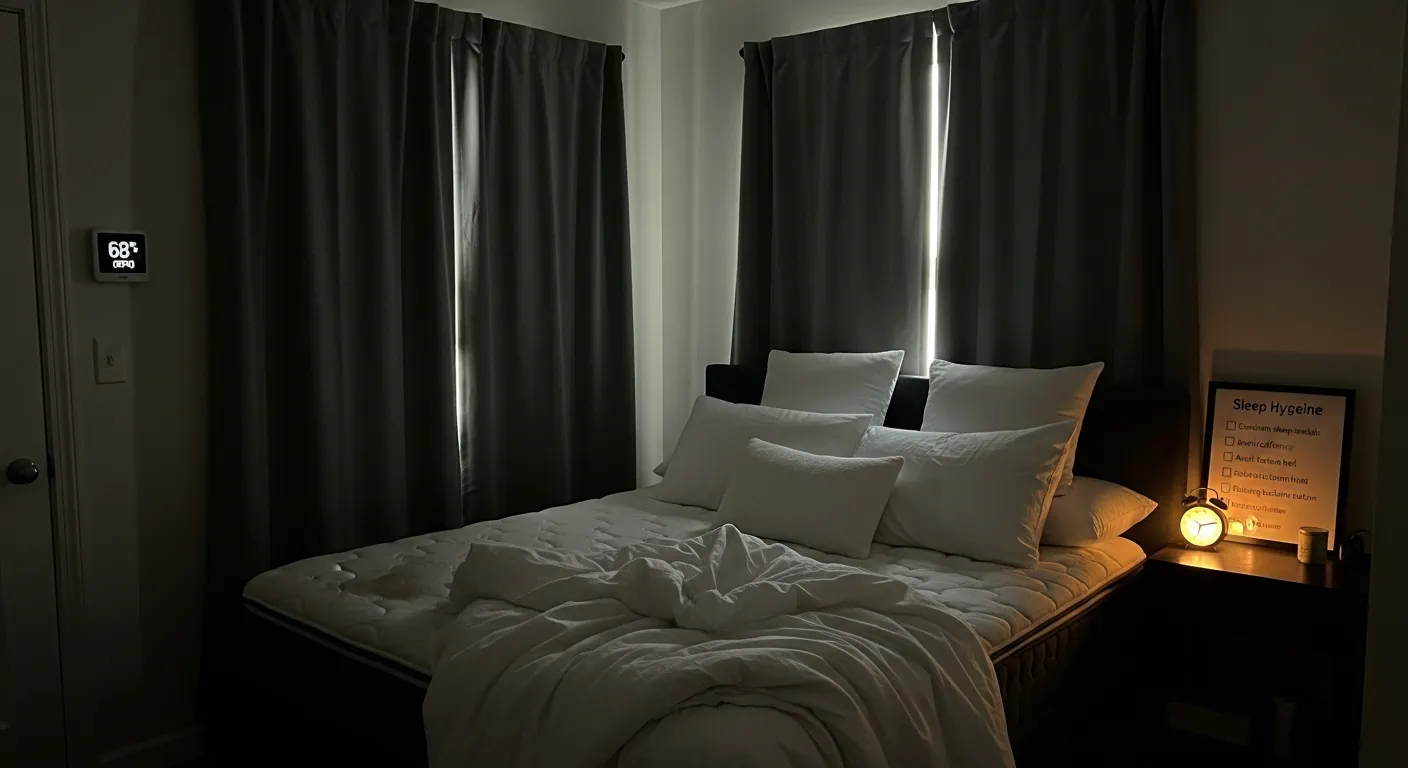
- Create a comfortable sleep environment: Ensure your bedroom is dark, quiet, cool, and comfortable.
- Avoid caffeine and nicotine late in the day: These stimulants can disrupt sleep.
- Limit alcohol intake, especially before bed: While it might initially induce sleepiness, it disrupts sleep quality later in the night.
- Avoid heavy meals close to bedtime: A light snack is fine, but large meals can cause digestive discomfort.
- Regular physical activity: Exercise can improve sleep quality, but avoid intense workouts too close to bedtime.
- Wind-down routine: Engage in relaxing activities before bed, such as reading, taking a warm bath, or listening to calming music.
These adjustments are fundamental to supporting your body's natural sleep processes.
Advanced Strategies and Personalized Approaches for Long-Term Insomnia Relief
Beyond the core CBT-I components, modern approaches to long-term insomnia relief increasingly integrate other valuable techniques and personalized strategies.
Mindfulness and Relaxation Techniques
Mindfulness meditation and progressive muscle relaxation can significantly reduce physiological arousal and racing thoughts that impede sleep. By focusing on the present moment and systematically tensing and relaxing muscle groups, individuals can learn to calm their nervous system before bed. Exploring how stress and anxiety profoundly impact sleep, alongside strategies for managing them, can be found in resources on mindfulness and meditation for better sleep and calming the racing mind.
Digital CBT-I Solutions
The accessibility of CBT-I has expanded dramatically with the rise of digital platforms and apps. These solutions deliver structured CBT-I programs online, often guided by AI or human coaches. A 2023 study in Frontiers in Psychiatry highlighted that digital CBT-I can be as effective as in-person therapy for many individuals, making evidence-based behavioral techniques more widely available. This is a significant trend, democratizing access to professional sleep help.
Personalized Application and Professional Guidance
While self-help books and apps can be a starting point, working with a certified sleep specialist or behavioral sleep medicine professional offers the most personalized and effective path to long-term insomnia relief. A therapist can tailor the techniques to your unique situation, adjust the pace, and provide crucial accountability and support. They can also help identify any comorbid conditions (like anxiety or depression) that might be contributing to your sleep issues, ensuring a truly holistic approach to understanding the multifaceted nature of sleep challenges that is often addressed within the broader /categories/insomnia-relief efforts.
Differentiated Value: The Power of "Unlearning" and Integrated Strategies
What truly sets these evidence-based behavioral techniques for long-term insomnia relief apart is their focus on "unlearning" maladaptive patterns. Insomnia is often a learned condition, where repeated nights of struggle create negative associations and heightened arousal. Medications merely suppress the symptoms, but behavioral therapies systematically dismantle these learned responses. This isn't just about adding new habits; it's about erasing the old, detrimental ones.
Furthermore, the integration of techniques within CBT-I is a unique strength. It's not just about sleep hygiene; it's about strategically restricting sleep, controlling stimuli, and reshaping cognitive processes simultaneously. This synergistic approach creates a powerful and robust framework for recovery, addressing insomnia from multiple angles to ensure sustainable sleep solutions. The latest industry trends emphasize this personalized, integrated approach, often leveraging technology for consistent application and progress tracking.
FAQ Section
Q1: Is CBT-I effective for all types of insomnia?
CBT-I is highly effective for chronic primary insomnia, which is not caused by another medical condition or substance use. It can also be beneficial for insomnia co-occurring with other conditions like depression, anxiety, or chronic pain, by breaking the cycle of insomnia perpetuation. However, it's essential to rule out underlying medical causes first.
Q2: How long does it take to see results with behavioral techniques for insomnia?
Most individuals begin to see improvements within 4-6 weeks of starting CBT-I. The full program typically lasts 6-8 sessions, with ongoing benefits often accruing over several months as new habits become ingrained. Consistency and adherence to the program are crucial for achieving long-term insomnia relief.
Q3: Can I implement these behavioral techniques for insomnia on my own?
While self-help resources like books and apps can be a good starting point for some, working with a trained CBT-I therapist is generally recommended, especially for chronic or severe insomnia. A therapist provides personalized guidance, adjusts strategies as needed, and offers accountability, significantly increasing the likelihood of success and lasting results.
Q4: Are these techniques safe?
Yes, behavioral techniques like CBT-I are considered very safe, with virtually no side effects compared to sleep medications. The temporary sleep restriction aspect might lead to initial fatigue, but this is a controlled part of the therapy designed to improve sleep efficiency and is carefully managed by a professional.
Conclusion: Embrace Behavioral Techniques for Lasting Sleep Wellness
The journey to long-term insomnia relief doesn't have to be paved with prescriptions. By embracing evidence-based behavioral techniques, particularly those found within Cognitive Behavioral Therapy for Insomnia, you can empower yourself to overcome chronic sleep difficulties. These methods offer a sustainable path to restoring your natural sleep capabilities, free from the concerns of medication dependency or side effects.
If you're ready to transform your sleep and improve your overall quality of life, consider exploring CBT-I with a qualified professional. Take the first step towards consistent, restful nights. Share your experiences in the comments below, or subscribe to our newsletter for more insights into achieving optimal sleep and well-being.
Extended Reading Suggestions:
- The Science of Sleep: Exploring Sleep Cycles and Architecture (Future article topic)
- The Link Between Mental Health and Sleep: Managing Anxiety and Depression for Better Rest (Future article topic)
- Optimizing Your Sleep Environment: A Comprehensive Guide to Creating a Restful Bedroom (Future article topic)