Achieve Deep Sleep: Proven Techniques for Better Rest and Recovery
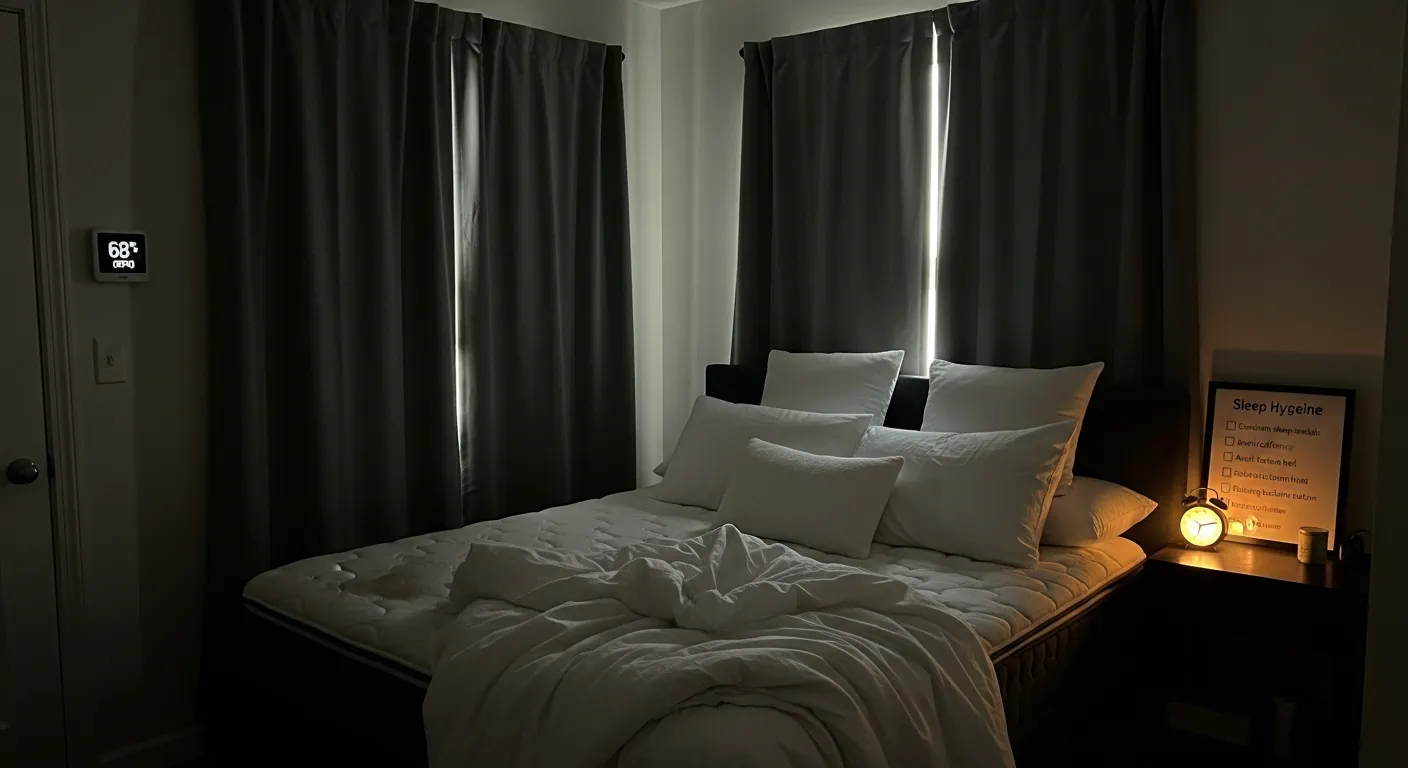
Master Your Sleep Cycle: Essential Techniques for Deep Rest and Optimal Recovery
Achieving deep sleep is the cornerstone of physical and mental well-being. It's during these restorative stages that our bodies repair, muscles grow, memories consolidate, and energy is replenished. In today's fast-paced world, consistently getting quality sleep can feel like a distant dream. However, by understanding the science behind sleep and implementing proven strategies, you can significantly enhance your ability to achieve deep sleep, leading to improved rest and recovery.
This guide will equip you with practical, evidence-based techniques to optimize your sleep environment, establish healthy routines, and manage factors that disrupt your slumber. Whether you struggle with falling asleep, staying asleep, or simply waking up feeling refreshed, these methods offer a clear path toward a more rejuvenating night's rest.
Key Takeaways for Better Sleep:
- Optimize Your Sleep Sanctuary: Create an environment conducive to sleep.
- Establish a Consistent Routine: Regular sleep and wake times are crucial.
- Mind Your Diet and Exercise: What you consume and when you move matters.
- Manage Stress and Mental Clutter: Calm your mind before bed.
- Embrace Technology Wisely: Use tools to enhance, not hinder, your sleep.
Understanding the Stages of Sleep and the Importance of Deep Sleep
To effectively achieve deep sleep, it's vital to understand what happens when we close our eyes. Sleep isn't a passive state; it's a dynamic process cycling through different stages. These stages are broadly categorized into Non-Rapid Eye Movement (NREM) sleep and Rapid Eye Movement (REM) sleep.
NREM sleep is further divided into three stages: N1, N2, and N3.
- N1: The lightest stage of sleep, where you drift in and out.
- N2: A period of light sleep, characterized by a decrease in heart rate and body temperature.
- N3: This is deep sleep, also known as slow-wave sleep. It’s the most restorative stage, crucial for physical healing, growth hormone release, and immune system function.
REM sleep follows NREM and is characterized by rapid eye movements, increased brain activity, and vivid dreaming. While both NREM and REM are important, deep sleep (N3) is particularly critical for better rest and recovery. Without sufficient deep sleep, you might experience fatigue, impaired cognitive function, and a weakened immune system.
Why Deep Sleep is Non-Negotiable for Recovery
During deep sleep, your body is hard at work:
- Physical Repair: Muscles are repaired and rebuilt, making it essential for athletes and anyone physically active.
- Cell Regeneration: Tissues are regenerated and repaired.
- Immune System Strengthening: The body produces cytokines, proteins that help fight inflammation and infection.
- Energy Restoration: Glycogen stores are replenished, and cellular energy is restored.
- Brain Cleansing: The brain clears out metabolic waste products accumulated during the day.
Insufficient deep sleep can lead to a cascade of negative effects, impacting everything from mood and concentration to long-term health. For instance, a study published in Nature Medicine (2024) highlighted a strong correlation between chronic sleep deprivation, including reduced deep sleep, and an increased risk of metabolic disorders.
Proven Techniques to Achieve Deep Sleep
Transforming your sleep habits requires a multi-faceted approach. Here are evidence-based techniques designed to help you achieve deep sleep and enhance your overall recovery.
1. Optimize Your Sleep Environment: The Sleep Sanctuary
Your bedroom should be a haven for rest. Light, noise, and temperature are significant environmental factors influencing sleep quality.
- Darkness is Key: Exposure to light, especially blue light from screens, suppresses melatonin production, a hormone crucial for sleep.
- Action: Use blackout curtains or an eye mask to ensure your room is completely dark.
- Tip: Even small amounts of light from electronic devices can disrupt sleep. Cover or remove them.
- Embrace Cool Temperatures: Your body temperature naturally drops as you prepare for sleep. A cooler room facilitates this process.
- Action: Aim for a room temperature between 60-67°F (15-19°C).
- Tip: Consider a fan for gentle airflow, which can also provide a consistent, soothing background noise.
- Minimize Noise Disruptions: Sudden noises can startle you awake or prevent you from entering deeper sleep stages.
- Action: Use earplugs if you live in a noisy area or consider a white noise machine.
- Differentiated Insight: Some research suggests that specific sound frequencies, like those found in nature sounds or binaural beats, may promote deeper brainwave states conducive to sleep. A review in the Journal of Sleep Research (2023) explored these potential benefits.
2. Establish a Consistent Sleep Schedule: The Power of Routine
The human body thrives on rhythm. A regular sleep-wake cycle, even on weekends, is fundamental for regulating your internal body clock, known as the circadian rhythm.
- Go to Bed and Wake Up at the Same Time: Consistency reinforces your body's natural sleep-wake signals.
- Action: Set a consistent bedtime and wake-up time, even if you don't feel tired.
- Differentiated Insight: While consistency is paramount, some sleep experts advocate for a slight flexibility (e.g., within an hour) on weekends if absolutely necessary, to avoid social jetlag, but emphasize returning to the weekday schedule promptly.
- Create a Relaxing Bedtime Routine: This signals to your brain that it's time to wind down.
- Action: Engage in calming activities for 30-60 minutes before bed, such as reading a physical book, taking a warm bath, gentle stretching, or meditation.
- Tip: Avoid stimulating activities like work, intense exercise, or engaging in stressful conversations close to bedtime.
3. Mind Your Diet and Exercise: Fueling Your Sleep
What you eat and when you exercise significantly impacts your ability to achieve deep sleep.
- Limit Caffeine and Alcohol: Caffeine is a stimulant that can linger in your system for hours. Alcohol may initially make you feel drowsy but disrupts sleep architecture later in the night, reducing deep sleep.
- Action: Avoid caffeine after early afternoon and limit alcohol intake, especially in the hours before bed.
- Avoid Heavy Meals Close to Bedtime: Digesting a large meal can interfere with sleep.
- Action: Finish your last substantial meal at least 2-3 hours before going to sleep.
- Tip: If you’re hungry, opt for a light, sleep-promoting snack like a small banana or a handful of almonds.
- Regular Physical Activity: Exercise can improve sleep quality, but timing is crucial.
- Action: Aim for regular aerobic exercise most days of the week.
- Tip: Avoid vigorous workouts within 2-3 hours of bedtime, as this can be too stimulating. Gentle activities like yoga or walking are generally fine.
4. Manage Stress and Mental Clutter: Quieting the Mind
A racing mind is a common barrier to sleep. Techniques to calm your thoughts are essential for better rest and recovery.
- Practice Mindfulness and Meditation: These practices train your brain to be present and less reactive to thoughts.
- Action: Dedicate a few minutes each day, and especially before bed, to mindful breathing or guided meditation.
- Tip: There are many free apps and online resources available to guide you.
- Journaling: Writing down your thoughts, worries, or to-do lists can help clear your mind.
- Action: Keep a journal by your bedside and spend a few minutes jotting down anything that's on your mind before sleep.
- Cognitive Behavioral Therapy for Insomnia (CBT-I): This is a highly effective, evidence-based therapy that addresses the thoughts and behaviors contributing to insomnia.
- Differentiated Insight: CBT-I is considered the gold standard for chronic insomnia and can significantly improve deep sleep quality by targeting underlying issues, rather than just masking symptoms. A meta-analysis in the Journal of Consulting and Clinical Psychology (2025) reaffirmed its long-term efficacy.
5. Harnessing Technology Wisely for Sleep
While screens are often detrimental, technology can also be an ally in your quest for better sleep.
- Sleep Trackers: Devices that monitor sleep patterns can provide valuable data.
- Action: Use sleep tracking apps or wearables to understand your sleep stages and identify potential issues.
- Tip: Don't obsess over the numbers; use the data as a guide to adjust your habits. Focus on how you feel upon waking.
- Blue Light Filters and Smart Lighting:
- Action: Utilize blue light filters on your devices in the evening or invest in smart bulbs that can adjust their color temperature to warmer tones as bedtime approaches.
- Sound Machines and Sleep Apps:
- Action: Explore apps offering sleep stories, guided meditations, or ambient sounds designed to promote relaxation and sleep.
Addressing Common Sleep Disruptors
Even with the best intentions, certain factors can persistently interfere with your sleep. Understanding these and having strategies to counter them is key to achieving deep sleep.
Dealing with Napping
While short power naps can be beneficial, long or late-day naps can interfere with your nighttime sleep drive.
- Recommendation: If you need to nap, keep it to 20-30 minutes and do so earlier in the afternoon. This minimizes the impact on your ability to fall asleep at night and achieve deep sleep.
Managing Sleep Anxiety
Worrying about not sleeping can become a self-fulfilling prophecy.
- Recommendation: If you find yourself lying awake for more than 20 minutes, get out of bed. Go to another dimly lit room and do a quiet, relaxing activity until you feel sleepy, then return to bed. This helps break the association between your bed and frustration.
The Role of Natural Light Exposure
Exposure to natural sunlight, especially in the morning, is crucial for setting your circadian rhythm.
- Recommendation: Try to get at least 15-30 minutes of natural light exposure within the first hour of waking. This helps regulate your sleep-wake cycle and promotes better sleep later.
Frequently Asked Questions About Deep Sleep
Q1: How much deep sleep do I need each night? Most adults spend about 15-25% of their total sleep time in deep sleep. This translates to roughly 1.5 to 2 hours for someone sleeping 7-8 hours. Individual needs can vary slightly.
Q2: Can I increase my deep sleep if I'm not getting enough? Yes, by consistently implementing strategies like optimizing your sleep environment, maintaining a regular schedule, and managing stress, you can improve the duration and quality of your deep sleep over time.
Q3: Is it bad if I don't remember my dreams? Dreaming primarily occurs during REM sleep. Not remembering dreams doesn't necessarily mean you're not getting enough REM sleep or deep sleep. It's more a function of recall than sleep quality itself.
Q4: How long does it take to see improvements in deep sleep after changing habits? While some individuals may notice improvements within a few days, it often takes several weeks of consistent practice to significantly alter sleep patterns and experience the full benefits of better rest and recovery.
Conclusion: Your Journey to Restorative Sleep
Achieving deep sleep is a journey, not a destination. By understanding its importance and consistently applying these proven techniques, you can cultivate habits that lead to more restorative nights and more energized days. Focus on creating an optimal sleep environment, sticking to a regular schedule, making mindful choices about diet and exercise, and proactively managing stress.
Don't be discouraged if you don't see drastic changes overnight. Patience and persistence are key. Continue to refine your approach, listen to your body, and celebrate small victories.
Ready to take the next step?
- Start small: Choose one technique from this guide to implement this week.
- Track your progress: Notice how you feel and adjust as needed.
- Share your experience: What strategies have worked best for you? Leave a comment below!
For further exploration into the fascinating world of sleep science, consider delving into articles about sleep hygiene best practices or the impact of sleep on cognitive function.
This article was last updated on 2025-12-28. While the principles of sleep science are well-established, research is ongoing. We recommend staying informed about the latest findings.